






What is Creatine?
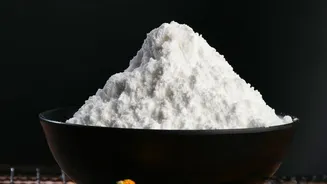
Creatine is not a synthetic substance cooked up in a lab; it's a naturally occurring compound made from amino acids, the building blocks of protein. Your body produces it, and it's also found in foods like red meat and fish. Its primary job is to help
your cells regenerate their main energy source, a molecule called ATP. Think of it as a rapid-recharge battery for your muscles. During short, intense bursts of effort—like lifting a heavy box or pushing through a few extra repetitions at the gym—your muscles use ATP. Creatine helps replenish that energy supply quickly, allowing for sustained power and performance. While it has long been a staple for athletes and bodybuilders, researchers are increasingly interested in its benefits for the general population, especially as we get older.
The Texas A&M Findings Explained
The recent 12-week study, published in the Journal of the International Society of Sports Nutrition, specifically looked at healthy adults between the ages of 45 and 65. Researchers divided participants into different groups. Some took a daily creatine supplement, while others took a placebo. Within these groups, some participants also engaged in a structured exercise program three times a week, while others did not. The results were noteworthy. The non-exercising group that took creatine gained approximately 1.1 kg (about 2.4 pounds) of lean tissue over the 12 weeks. They also showed improvements in both leg and bench press strength compared to those taking a placebo. This suggests creatine can help preserve and even build muscle and strength on its own in this age group.
Even Better With Exercise
The study's most impressive results came from the group that combined creatine with regular exercise. These participants experienced even greater gains in strength and muscular endurance. When the exercise program was paired with a modest calorie-deficit diet for weight loss, the creatine group not only gained nearly three pounds of lean tissue but also saw a greater reduction in body fat percentage compared to the exercise-and-diet group taking a placebo. This is significant because losing weight can often mean losing muscle along with fat. This research suggests that creatine can help protect valuable muscle mass during a weight loss phase, making it a potentially powerful tool for improving body composition.
Is It Safe For This Age Group?
For most healthy adults, creatine monohydrate—the most studied form—is considered safe when used at recommended dosages. Decades of research have not shown evidence of harm to kidney or liver function in healthy individuals. The Texas A&M study also reported that the supplementation was well-tolerated by participants. However, some people may experience minor side effects like water retention in muscles, which can lead to slight weight gain, or occasional digestive discomfort. It is crucial for anyone with pre-existing health conditions, particularly kidney disease, or those taking other medications to consult with their doctor before starting any new supplement, including creatine. Professional guidance ensures it is the right choice for your individual health profile.
What This Means For You
This research is promising for middle-aged adults looking to combat sarcopenia, the natural age-related decline in muscle mass and strength. The findings show that creatine can be a helpful addition to a health-focused lifestyle. While it appears to offer some benefits even without exercise, its effects are amplified when combined with resistance training. The study highlights that creatine helps with muscular strength and power but does not seem to boost aerobic capacity, which comes from activities like running or cycling. Therefore, it should be viewed as a supplement to a well-rounded fitness plan, not a replacement for it. The journey to healthy aging is multifaceted, and this study positions creatine as another potential tool in the toolkit.