








The Foundation: Rigging and Hardware
Before you can gracefully suspend yourself in a silk hammock, that hammock needs to be securely attached to a solid anchor point. This is the most critical safety component of any aerial setup. Any rigging should be professionally installed and inspected.
For home setups, this means consulting a professional rigger or structural engineer to ensure your chosen anchor point can handle the dynamic loads, which can be up to ten times your body weight during certain movements. All hardware, including carabiners, swivels, and anchors, should be load-rated and certified. Carabiners, for instance, should be rated to at least 20 kilonewtons (kN) and should always be locked during use. Regular inspection of these components is non-negotiable; check for any signs of wear, damage, or metal fatigue before every single session.
Inspecting Your Aerial Fabric
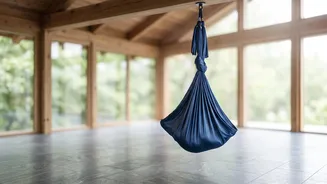
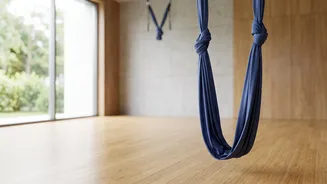
The aerial hammock, or silk, is your direct partner in the practice. Its integrity is just as important as the rigging that holds it. Before each use, a thorough fabric inspection is essential. Run your hands along the entire length of the silk, feeling for any small holes, snags, runs, or burns. What seems like a minor imperfection can quickly become a major tear under load. You should also check the knots securing the fabric to the hardware. Pay attention to the manufacturer's guidelines for the fabric's lifespan, which is typically measured in hours of use and years. To protect the fabric, avoid wearing jewelry, zippers, or any clothing that could snag the material. Proper care, including following washing instructions, will not only extend the life of your hammock but also keep it safe.
Choosing a Qualified Instructor
A great instructor does more than teach poses; they create a safe environment. When looking for an aerial yoga teacher, inquire about their certifications. While there isn't one single governing body, reputable instructors often have a foundation in traditional yoga (like a 200-hour certification) supplemented by specific aerial yoga training. Organizations like AntiGravity Fitness and AIReal Yoga offer comprehensive instructor courses that cover anatomy, rigging safety, and spotting techniques. An experienced teacher will know how to modify poses for different ability levels, provide clear cues for safe transitions, and spot you during more challenging movements. They should also be able to answer your questions about the studio's equipment and inspection schedule. Don't hesitate to ask about their qualifications; a professional will be happy to share their credentials.
Your Role: Personal Readiness and Awareness
Ultimately, you are an active participant in your own safety. It's recommended to have some experience with traditional mat yoga to build foundational strength, flexibility, and body awareness before trying aerial yoga. Always warm up properly before class to prepare your muscles and joints for the unique demands of the practice. More importantly, listen to your body. The hammock's support can tempt you to push deeper into stretches, but this can lead to overstretching and injury. If a pose causes sharp pain, ease out of it. It's also crucial to communicate any physical limitations or medical conditions to your instructor before class begins. Aerial yoga is not recommended for individuals with certain conditions like glaucoma, very high or low blood pressure, or for those who are pregnant without a doctor's permission.
Creating a Safe Practice Space
Whether at home or in a studio, the physical environment matters. A safe practice space requires ample clearance—ideally at least six feet of open space in all directions from the hammock—to prevent collisions with walls or other people. The floor beneath you is also a key piece of safety equipment. A proper crash mat, ideally at least six inches thick, should always be used, especially when learning new skills or practicing inversions. This provides a cushioned surface that can significantly reduce the risk of injury from an accidental fall. In a studio setting, observe the classroom policies, such as not working on un-taught skills and paying attention when the instructor is speaking. These rules are in place to ensure everyone can enjoy their practice without incident.