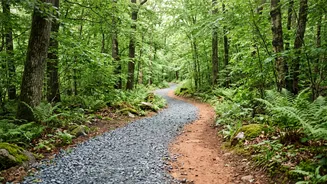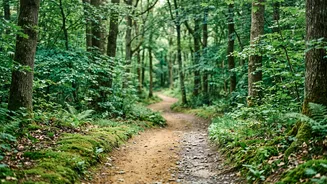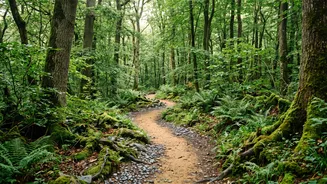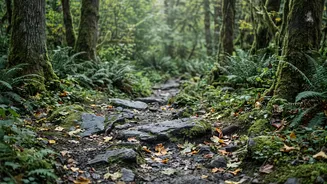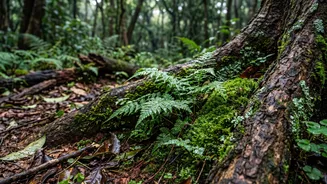








Hiking is more than reaching a summit; it's an opportunity to connect with the world around you. By shifting your focus from the destination to the journey, you can transform a simple walk into a rich, sensory experience.
Shift Your Mindset from Miles to Moments
Many hikers focus on pace, distance,
and elevation. While these are great for tracking fitness, they can make us miss the subtle beauty of the trail. The real magic begins when you consciously slow down. Instead of treating the hike as a task to be completed, view it as a conversation with nature. This practice, inspired by the Japanese concept of 'Shinrin-yoku' or 'forest bathing', involves immersing yourself in the forest atmosphere. Research shows this mindful approach can significantly reduce stress, lower blood pressure, and improve your mood. The goal is not to conquer the trail, but to connect with it.
Awaken Your Senses
To truly understand your surroundings, you must engage all your senses. Start by pausing and closing your eyes for a moment. What do you hear? Is it the rustle of leaves, a distant bird call, or the sound of a stream? Now, take a deep breath. Can you smell the damp earth, pine needles, or wildflowers in the air? Notice the feeling of the breeze on your skin or the texture of a tree's bark under your fingertips. Consciously engaging each sense grounds you in the present moment, transforming a passive walk into an active observation. A simple technique is the '5-4-3-2-1' method: notice five things you can see, four you can feel, three you can hear, two you can smell, and one you can taste.
Learn the Language of the Trail
Every trail tells a story. Learning to read the signs can deepen your appreciation immeasurably. Start small. Instead of just seeing 'trees', try to notice the differences in bark, leaf shape, and how they grow. Look for patterns in the landscape. Notice how vegetation changes with elevation or proximity to water. Pay attention to the ground; tracks in the mud can tell you which animals have passed through. You don't need to be an expert. A simple field guide or a plant identification app on your phone can be a great starting point to learn about the local flora and fauna. The more you learn to identify, the more you will start to see and understand the intricate web of life around you.
The Power of Stillness and Patience
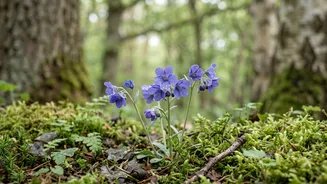
Wildlife is often heard before it is seen. The key to memorable encounters is patience. Find a comfortable spot to sit quietly for a few minutes. When you stop moving, you become part of the scenery, and animals are more likely to reveal themselves. This is also when the smaller details emerge—an interesting insect on a leaf, the complex structure of moss on a rock, or the way light filters through the canopy. Resist the urge to constantly move forward. The most profound moments on a hike often happen during these periods of quiet observation, allowing you to absorb the tranquil atmosphere and notice things you would have otherwise missed.
Respect the Environment You Explore
A deeper understanding of nature brings a greater responsibility to protect it. Always stick to the marked trails to avoid damaging fragile plants and contributing to erosion. Carry out everything you bring in, including food scraps. While observing wildlife, maintain a respectful distance; if an animal changes its behaviour, you are too close. The goal is to leave no trace, ensuring that the natural beauty you enjoyed can be experienced by others for years to come. By appreciating the complexity of the ecosystem, you naturally become a better steward of it. Remember to leave things as you found them, taking only memories and photographs.