


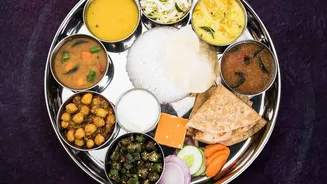
Love the comforting taste of homemade dosas and parathas but looking for a healthier spin? Swapping traditional flours for a multigrain blend is a simple yet powerful way to boost nutrition without sacrificing the flavours you grew up with.
Why Make the Switch to Multigrain?
The appeal
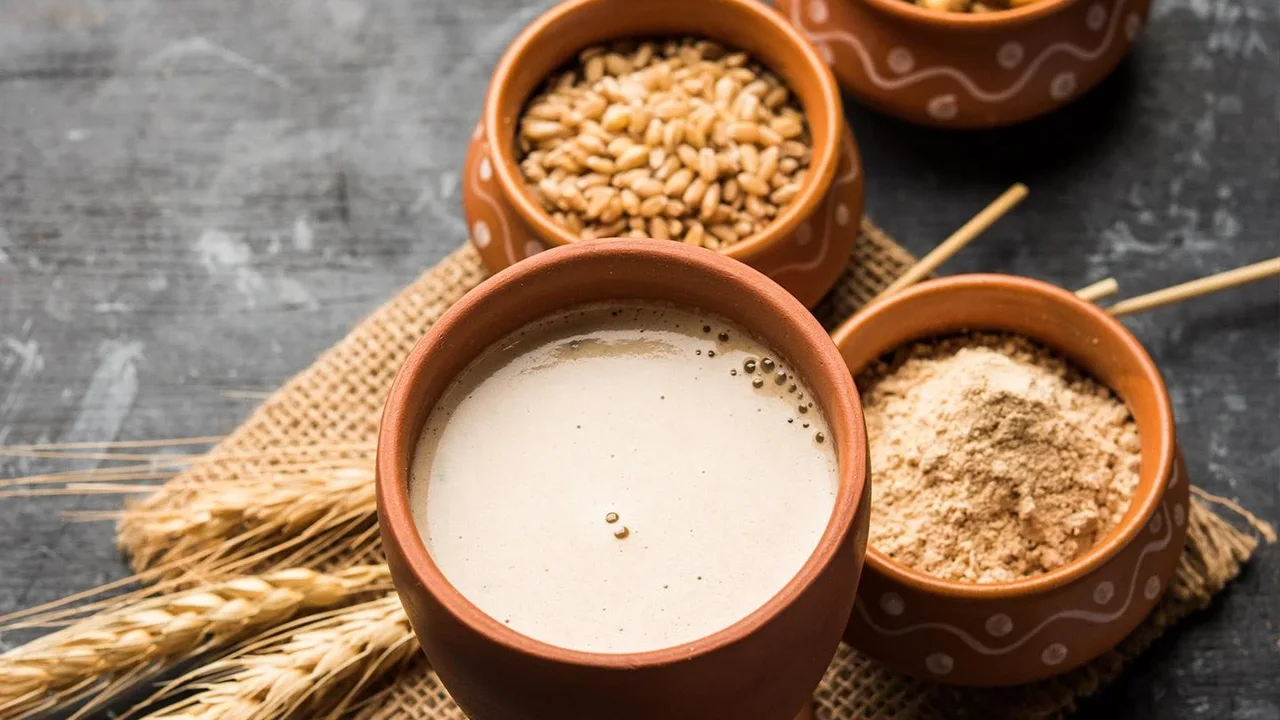
of multigrain flour is simple: it combines the nutritional profiles of several different grains into one convenient blend. While whole wheat is a staple, adding grains like ragi (finger millet), jowar (sorghum), bajra (pearl millet), and oats introduces a wider array of nutrients. Multigrain flours are typically higher in dietary fibre, which aids digestion and promotes a feeling of fullness, helping with appetite control. This combination of complex carbohydrates and fibre also leads to a slower release of energy, preventing the sharp blood sugar spikes that can follow a meal made with refined flour. Furthermore, each grain brings its own unique benefits; for instance, ragi is a great source of calcium, while pulses like chana can increase the protein content. This makes multigrain atta a practical choice for enriching everyday meals.
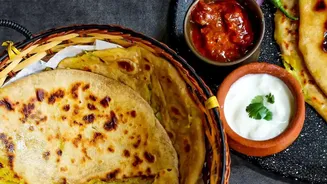
Perfecting the Multigrain Stuffed Flatbread
Making soft, pliable stuffed parathas with multigrain flour is entirely achievable with a few adjustments. Because these flours absorb more water, you may need to add a little extra liquid and use warm water to help create a soft dough. A good practice is to let the kneaded dough rest for at least 20-30 minutes, covered with a damp cloth. This resting period allows the grains to fully hydrate, resulting in a dough that is easier to roll and less prone to tearing. Some chefs find that the denser structure of multigrain dough actually holds stuffing, like spiced potatoes or paneer, more effectively than plain wheat flour. When rolling, keep the edges slightly thinner than the center to ensure even cooking and a perfect pocket for your filling. Cook on a medium-heat tawa with a touch of ghee or oil until golden-brown spots appear on both sides.
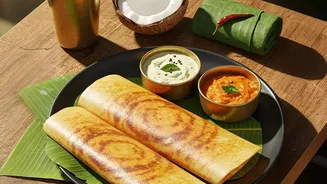
Making Crisp and Healthy Multigrain Dosas
You don't need a traditional fermented rice-and-lentil batter to enjoy a delicious dosa. Instant dosas made with multigrain atta are a quick and nutritious alternative. To create the batter, simply whisk multigrain flour with water until you reach a smooth, pouring consistency, slightly thinner than pancake batter. For extra crispiness, many recipes recommend adding a couple of tablespoons of rice flour. Incorporating a spoonful of curd (yogurt) can add a subtle tang. Let the batter rest for about 15-20 minutes to allow the flours to absorb the liquid. Just before cooking, you can season the batter with finely chopped onions, green chillies, cumin seeds, and curry leaves for a boost of flavour. Pour the batter onto a hot tawa and spread it thin, cooking until the edges are crisp and golden.
Choosing Your Flour and Blending Tips
When buying prepackaged multigrain atta, it's wise to read the label carefully. The term 'multigrain' simply means more than one grain is used; it doesn't guarantee they are whole grains. Look for packages where 'whole wheat flour' is the first ingredient, not refined wheat flour (maida), and check that other whole grains are listed in significant quantities, not just token amounts. Alternatively, you can create your own blend at home. A common ratio that works well for flatbreads is three parts whole wheat flour to one part other mixed grains, such as jowar, bajra, ragi, and oats. This maintains a good texture for rolling while still providing diverse nutrients. Some people prefer not to buy premixed flours to have more control over the combination and ensure freshness.