

1. Collagen Elixirs
Collagen is the protein that gives skin its structure and firmness. As we age, our natural production declines. Collagen drinks contain hydrolyzed collagen peptides, which are smaller, more easily absorbed forms. Multiple studies suggest that oral collagen supplements
can improve skin hydration and elasticity. A meta-analysis of 26 studies found significant improvements in both areas compared to a placebo. However, results aren't instant, often taking 4 to 12 weeks to appear. While beneficial for moisture and bounce, these drinks won't address concerns like acne or hyperpigmentation.
2. Hyaluronic Acid Tonics
Hyaluronic acid (HA) is a superstar hydrator naturally found in the skin. Like collagen, its levels decrease with age. Known for its use in topical serums, HA is now a popular ingredient in beauty drinks. Some studies have shown that ingesting HA can improve skin moisture, reduce wrinkle depth, and enhance elasticity. By binding to water, it helps the skin look and feel more supple from within. While promising, it's primarily focused on hydration and won't replace targeted treatments for other skin issues.
3. Antioxidant Blends
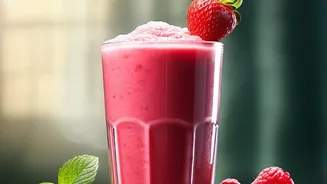
These drinks are often packed with ingredients like green tea, berries, and vitamin C. Antioxidants help protect the skin from damage caused by free radicals—unstable molecules from pollution and UV exposure that accelerate aging. Green tea, for example, is rich in catechins that can help reduce inflammation and improve skin elasticity. Vitamin C is crucial for the body's own collagen production process. While drinking your antioxidants is beneficial for overall health, it's a supportive measure rather than a primary defense.
4. Chlorophyll Water
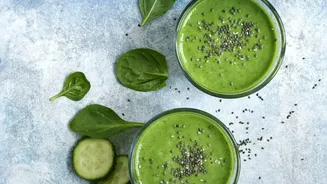
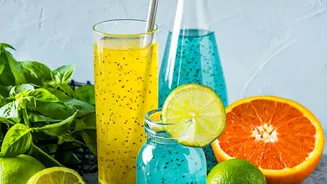
This vibrant green drink has become a social media sensation, with claims of clearing acne and detoxifying the skin. Chlorophyll is the pigment that gives plants their green color. While it has antioxidant and anti-inflammatory properties, the scientific evidence for its skin-clearing benefits when consumed is limited and mostly anecdotal. Some small studies suggest topical chlorophyll may help with acne, but there's no solid research confirming that drinking it will have the same effect. Experts suggest any perceived benefits might simply come from increased water intake.
5. Probiotic and Prebiotic Sodas
The gut-skin axis is a well-established connection; a healthy gut often contributes to clearer skin. Probiotic drinks like kefir, kombucha, and specialty sodas introduce beneficial bacteria to your digestive system. These good bacteria can help reduce systemic inflammation, which is a root cause of issues like acne and rosacea. Some studies have shown that daily probiotic consumption can lead to significant improvements in acne. While supporting gut health is a smart move for your skin, it's one piece of a much larger puzzle.
6. Vitamin-Infused Waters
These beverages are fortified with skin-centric vitamins and minerals like biotin (B7), zinc, and vitamins A and C. Biotin, in particular, is heavily marketed for skin, hair, and nails. However, research shows that biotin supplements only provide benefits if you have a deficiency, which is rare. For most people, consuming extra biotin won't make a noticeable difference. While getting essential vitamins is important, a balanced diet is often sufficient, and a multivitamin can fill gaps more affordably.
7. Adaptogen Mixes
Adaptogens are herbs and mushrooms like ashwagandha and reishi that help the body manage stress. Since stress is a major trigger for skin issues like breakouts and inflammation (by spiking the hormone cortisol), the logic is that adaptogens can help promote calmer skin. These ingredients can be consumed in teas or powders and are prized for their ability to bring the body back into balance. While the concept is sound, adaptogens work best over time and as part of a holistic approach to stress management.