








The Unique Power of Clove
Cloves are the dried, unopened flower buds of an evergreen tree native to Indonesia's Maluku Islands, also known as the Spice Islands. Their flavour profile is unmistakable: intensely warm, sweet, and aromatic with a peppery, slightly bitter finish. This
complexity comes from a compound called eugenol, which is responsible for the spice's signature warming quality and potent scent. While many bakers reach for cinnamon or nutmeg, clove offers a deeper, more pungent note that can anchor the entire flavour profile of a dessert, preventing it from becoming overly sweet.
A Little Goes a Long Way
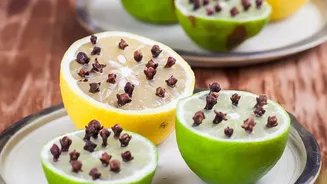
The number one rule when baking with cloves is to use them sparingly. Their flavour is so assertive that even a small amount can dominate a dish. For most recipes, starting with just a quarter or half teaspoon of ground cloves is plenty. You can use them whole or ground. Whole cloves are perfect for infusing liquids like milk for a custard or a sugar syrup for a cake. They release their flavour more slowly and should be removed before serving, as biting into one can be unpleasant. Ground cloves are more intense and blend easily into batters and doughs, making them ideal for cakes and cookies. For the freshest taste, you can grind whole cloves yourself using a spice grinder or a mortar and pestle.
Cakes with Character
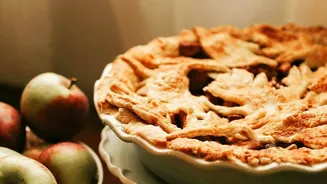
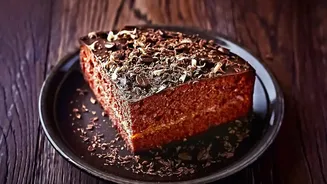
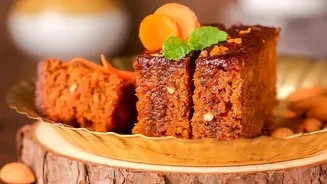
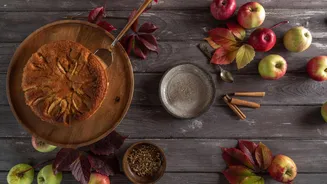
Adding ground cloves to a cake recipe is a simple way to introduce a layer of warm, aromatic spice. It works exceptionally well in classic recipes like gingerbread, carrot cake, and apple spice cake, where it complements the other spices and ingredients beautifully. Molasses-based cakes, in particular, pair wonderfully with the deep notes of clove, creating a rich and comforting dessert. Vintage recipes for clove cake, sometimes featuring buttermilk and a simple boiled icing, showcase how the spice can be the star of the show, creating a memorable and flavourful bake that isn't overly sweet.
Cookies That Comfort
In the world of cookies, cloves are a key player in holiday favourites like gingerbread and speculoos. They provide a distinctive, spicy warmth that is both nostalgic and delicious. An old-fashioned clove cookie, which puts the spice front and centre, can be a simple yet addictive treat, especially when paired with a hot cup of tea or coffee. Don't be afraid to experiment by adding a pinch of ground cloves to other cookie recipes, too. They can add a surprising and welcome depth to chocolate chip cookies or oatmeal raisin cookies.
Elegant Custards and Creams
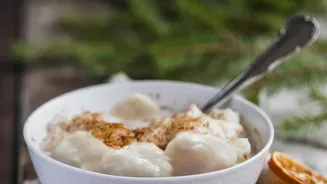
For a more subtle approach, using whole cloves to infuse creamy desserts is an elegant technique. Simmering a few whole cloves in the milk for a baked custard, panna cotta, or crème brûlée imparts a gentle, aromatic warmth without overwhelming the delicate flavour of the cream. After simmering for about 10 minutes, the milk should be strained to remove the cloves before you proceed with the recipe. This method allows the floral, spicy notes to perfume the entire dessert, adding a layer of sophistication. It pairs exceptionally well with vanilla, citrus zest, and other spices like cinnamon.
Flavour Pairings to Explore
Clove is a team player and works well with a wide range of other flavours. It's a natural fit with other warm spices like cinnamon, nutmeg, ginger, and allspice. In terms of fruit, it beautifully complements apples, pears, oranges, and pumpkin. It also provides a wonderful counterpoint to rich ingredients like chocolate, molasses, and nuts like walnuts and pecans. In Indian cuisine, clove is a staple in many desserts, including sweet fried pastries like Lavang Latika, where a single clove is used to seal a parcel of dough filled with sweet nuts and khoya.