






The Allure of Perfect Green Chutney
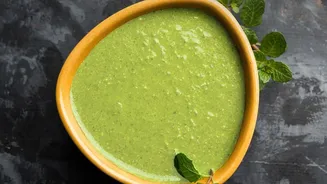
There is green chutney, and then there is hotel-style green chutney. The latter is a class apart, an iconic condiment that elevates everything from samosas and kebabs to sandwiches and chaat. What makes it so memorable is a trifecta of qualities: a brilliant
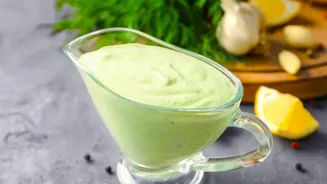
green colour that resists turning dark, a luxuriously smooth and creamy texture that isn't watery, and a complex flavour profile that perfectly balances fresh, tangy, spicy, and savoury notes. While homemade versions are often delicious, they can sometimes fall short, ending up too coarse, turning a dull brownish-green from oxidation, or separating into watery parts. The good news is that the 'secret' to the restaurant version isn't magic; it's a combination of the right ingredients and a few clever techniques that anyone can master in their own kitchen.
The Foundation: Herbs and Ratios
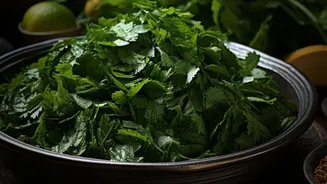
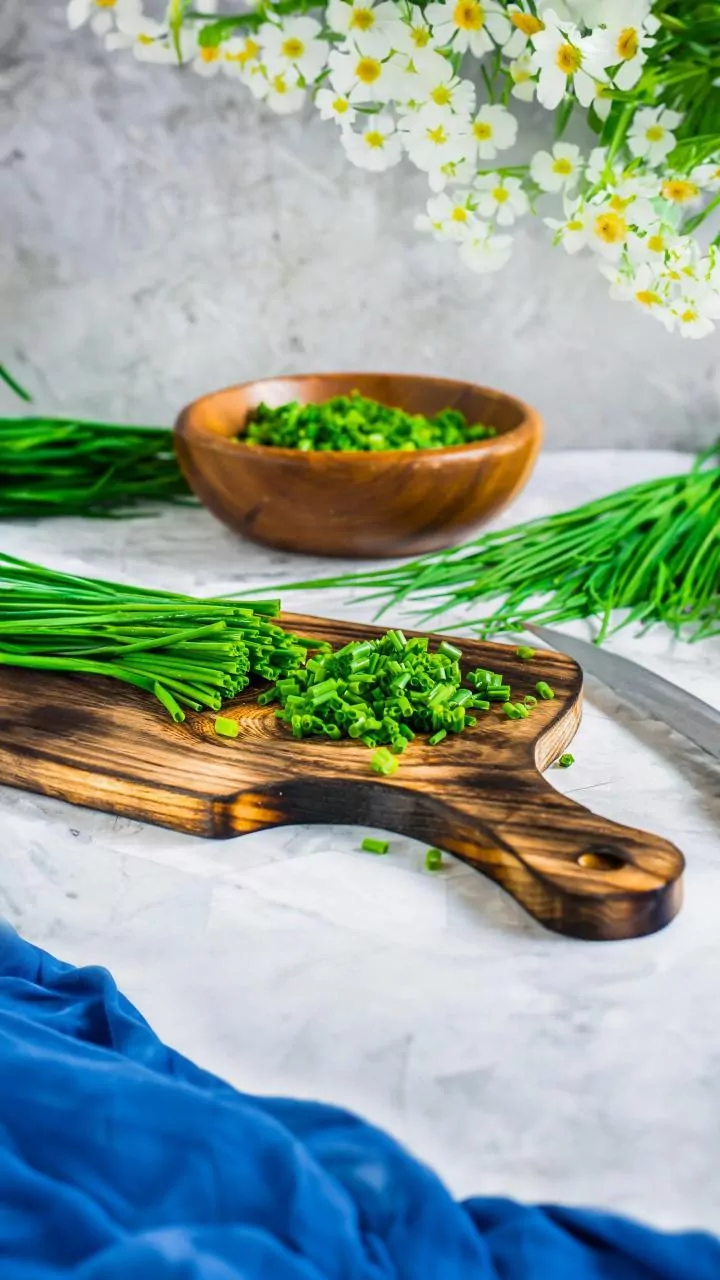
The heart and soul of any green chutney are the fresh herbs. The classic combination is coriander (dhania) and mint (pudina). For that authentic hotel taste, the ratio is crucial. A common guideline is to use a 2:1 ratio of coriander to mint. Using too much mint can introduce a slightly bitter aftertaste. Always use the freshest, brightest green leaves you can find. While many discard the tender stems of coriander, they are packed with flavour and should be included. For mint, it is best to pluck the leaves from the tougher stalks. Some chefs even add a handful of fresh spinach leaves to enhance the green colour naturally. The freshness and quality of these greens form the base upon which all other flavours are built, so this is not the place to compromise.
The Secret to a Smooth, Thick Texture
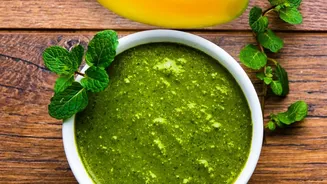
One of the biggest giveaways of a homemade chutney is its texture. Hotel versions are emulsified and thick, never watery. This is often achieved by adding a binding agent. There are several options, each contributing a subtle character. Roasted peanuts or roasted gram dal (bhuna chana or putani) are popular choices; they add body, a mild nutty flavour, and help prevent the chutney from separating. A small amount of grated coconut, either fresh or dry, can also be used to achieve a similar creamy consistency. Some recipes even call for a tablespoon of thick curd (yoghurt) which lends creaminess and a gentle tang. For those without these ingredients, a surprisingly effective and simple trick is to add a small piece of plain white bread, which soaks up excess water and helps create a smooth paste.
Keeping the Colour Bright and Vibrant
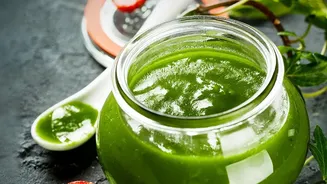
The most common frustration with making green chutney is how quickly it can lose its brilliant colour and turn a disappointing dark green or brown. This is due to oxidation, which happens when the cut herbs are exposed to air and heat. Chefs use a few simple tricks to combat this. The most effective is controlling the temperature during blending. Adding a few ice cubes or using ice-cold water when grinding the chutney prevents the blender's motor from heating the ingredients, which helps preserve the chlorophyll in the herbs. Another key step is adding an acidic element. The juice of a lemon or a pinch of dry mango powder (amchur) not only provides the necessary tangy flavour but also helps to stabilize the colour. Adding this towards the end of the blending process is most effective. Storing the chutney in an airtight container immediately after making it also slows down the oxidation process.
Balancing the Symphony of Flavours
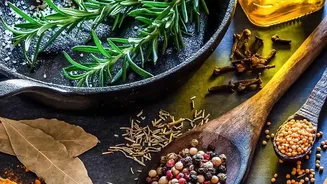
Beyond the herbs, the final flavour balance comes from a few key supporting ingredients. Green chillies provide the heat, and you can adjust the quantity to your preference. Ginger and garlic add a sharp, pungent kick that is characteristic of this condiment. A small amount of sugar is often included, not to make the chutney sweet, but to round out the sharpness of the lemon juice and the heat of the chillies. For an authentic touch, many recipes call for black salt (kala namak) and roasted cumin powder (bhuna jeera). Black salt has a unique sulphurous aroma and flavour that adds depth, while roasted cumin provides a warm, earthy note. A pinch of chaat masala can also be added for an extra layer of tangy complexity. The goal is to create a chutney where no single flavour dominates, but all work together in harmony.