






The Incident That Refocused Attention
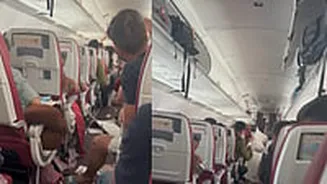
On August 4, 2026, Air India flight AI2379 from Phuket to Delhi encountered severe, unexpected clear-air turbulence. The aircraft reportedly experienced a sudden loss of altitude, causing passengers and crew who were not buckled in to be thrown around
the cabin. The flight landed safely in Delhi, but the incident resulted in injuries to several passengers and crew members, requiring hospital evaluation. Such events, while not common, serve as a stark reminder that the sky is not always smooth and that sudden, violent air movements can occur without warning, even in clear weather. Passenger accounts described a terrifying few minutes, highlighting just how quickly a calm flight can turn chaotic.
Understanding Clear-Air Turbulence
The culprit in many sudden in-flight incidents is Clear-Air Turbulence, or CAT. Unlike turbulence associated with thunderstorms, which can be seen on weather radar, CAT is invisible. It occurs when bodies of air moving at vastly different speeds meet, typically near jet streams. The real concern for aviation experts and passengers is the growing body of evidence suggesting that CAT is becoming more frequent and intense due to climate change. Studies have shown a significant increase in severe CAT over the past few decades, particularly in busy flight corridors over the Northern Hemisphere. A warmer atmosphere injects more energy into jet streams, increasing the wind shear that generates this invisible hazard.
What Is Changing in the Skies
In response to the rising risk, aviation authorities and airlines are adapting. India's Directorate General of Civil Aviation (DGCA) has already updated guidelines, emphasizing that safety must take precedence over schedule adherence and encouraging pilots to divert or turn back in unpredictable weather. Airlines are also investing in better predictive technologies, using AI-powered weather models and encouraging more real-time data sharing between pilots to better map and avoid turbulent zones. Following past incidents, some airlines have changed their cabin service protocols, such as suspending meal services when turbulence is anticipated to ensure crew members are also safely seated. However, since CAT can strike without any prior indication, these measures are only part of the solution. The most critical changes are the ones that involve passenger awareness and behaviour.
Your Best Defence: The Unskippable Rule
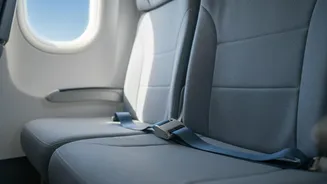
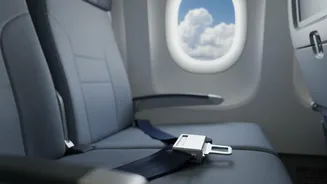
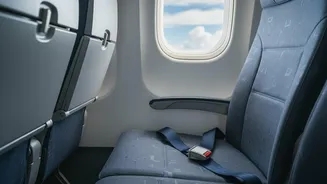
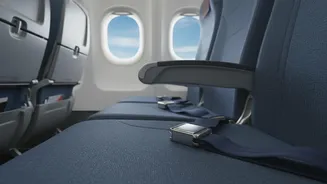
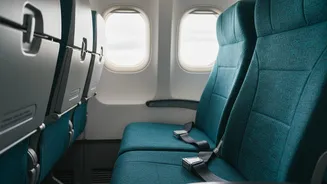
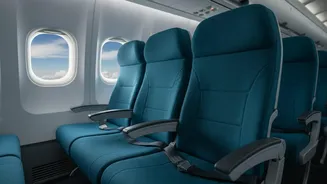
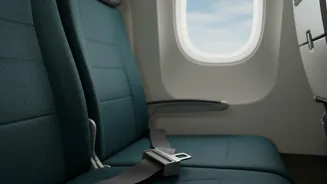
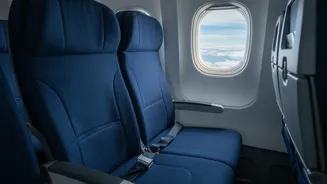
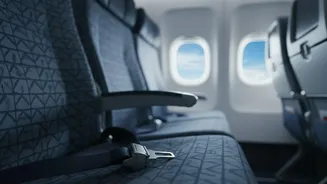
The single most effective way to prevent injury from turbulence is startlingly simple: keep your seatbelt fastened whenever you are seated. Aviation authorities like the FAA and safety experts unanimously agree on this point. The vast majority of serious injuries from turbulence happen to people who are not buckled in. A sudden lurch can throw an unbelted passenger into the ceiling, seats, or other passengers with tremendous force. Even if the seatbelt sign is off, it is wisest to keep your belt loosely fastened. It takes only a second to tighten if needed and provides a constant layer of protection against the unexpected. Flight attendants are also at high risk, as their jobs require them to be on their feet, but their instructions for passengers to remain seated are based on a deep understanding of in-flight risks.
Beyond the Buckle: More Smart Habits
While the seatbelt is paramount, other small habits can further reduce your risk. First, be mindful of your carry-on luggage. Ensure heavier items are stowed fully under the seat in front of you and that overhead bins are securely latched. A heavy bag can become a dangerous projectile in severe turbulence. Second, minimise your time moving around the cabin. If you need to use the lavatory, try to do so when conditions are smooth and be aware that the rear of the aircraft can often experience more motion. Finally, listen to your crew. They are the first to receive warnings from the cockpit and their instructions are designed for your safety. Paying attention during the pre-flight safety briefing provides crucial knowledge that can make a difference in any unexpected situation.