


The Great Post-Pandemic Reset
The world has changed since 2020, and so have our travel priorities. The lockdowns and prolonged periods at home forced a collective re-evaluation of what a break truly means. For many, the answer was no longer about collecting passport stamps but about reconnecting
with themselves and their loved ones. The post-pandemic traveller is more conscious of their mental and physical well-being. After the stress and confinement of the pandemic, a holiday that leaves you feeling more exhausted than when you started has lost its appeal. This has spurred a move towards restorative journeys that prioritize peace and mindfulness over a packed schedule. Relaxation is now the primary motivation for travel for a majority of Indians, according to recent surveys.
An Antidote to Urban Burnout
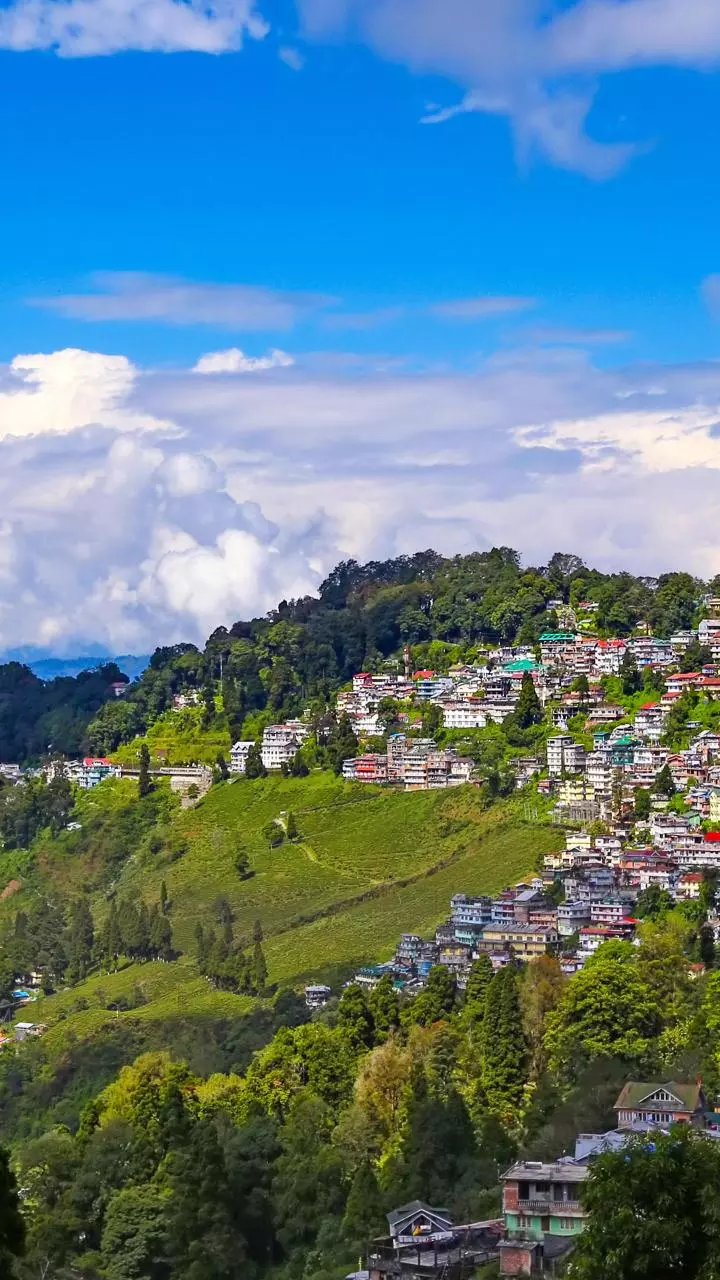
India's cities are vibrant, but the pace of urban life—characterised by long work hours, traffic, and constant connectivity—has led to widespread burnout, especially among millennials and Gen Z. Seventy percent of Indian Gen Z and 64% of millennials report feeling persistently exhausted, making India one of the top countries for self-reported burnout. A frantic, multi-city tour is a poor remedy for this chronic stress; in fact, it can keep the body in a state of high alert. Slow travel acts as a form of recovery. It offers an escape to quieter, less crowded places like mountain towns, beaches, and countryside retreats, providing the mental and physical space to truly disconnect and recharge.
From Tourist Traps to Authentic Connections
The modern Indian traveller is increasingly seeking authenticity, a quality that is hard to find on a rushed tour of landmark-heavy hotspots. Slow travel facilitates a deeper immersion into a place. Instead of just photographing monuments, travellers want to understand the local culture, savour regional cuisine at family-run eateries, and interact with the community. This might mean spending a week in a single village, learning about local crafts, or simply observing life from a neighbourhood cafe. This desire is also a reaction to over-tourism, which has made popular destinations like Shimla and Goa feel crowded and commercialised, pushing people to seek out lesser-known spots for a more genuine experience.
The 'Workation' and Bleisure Effect
The rise of remote and hybrid work models has been a game-changer for travel. With the flexibility to work from anywhere, many professionals are combining work with leisure in what has been dubbed 'bleisure' or a 'workation'. This allows for longer stays in a destination without eating into annual leave. Instead of a quick weekend trip, one can spend several weeks or even a month in a place like Rishikesh or Goa, working during the day and exploring in the evenings and on weekends. This trend is particularly popular among young professionals who want to escape the confines of their city homes while maintaining their work commitments. This structural shift in how we work has made longer, slower travel more accessible than ever before.
A Shift from FOMO to JOMO
For years, travel was driven by FOMO—the Fear Of Missing Out. Social media feeds were filled with pictures from a dozen different places, creating pressure to see and do everything. Now, a counter-movement is gaining traction: JOMO, or the Joy Of Missing Out. Travellers are finding joy in intentionally skipping the crowded tourist trail. A recent report found that 88% of Indian travellers are now interested in visiting places that have not already saturated their social media feeds. This marks a significant shift in mindset, from travel as a performance to travel as a personal experience. It is a quiet rebellion against the need to prove you are 'living your best life' and an embrace of simply living it.