




A Genuine Bloom, But With a Twist
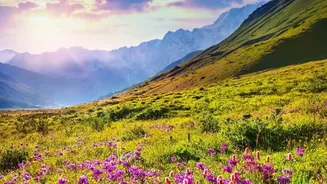
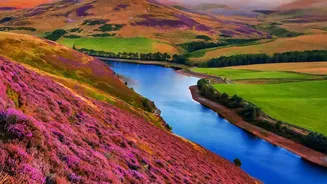
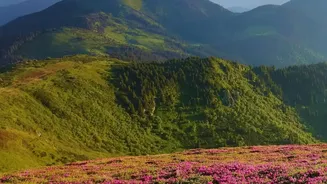
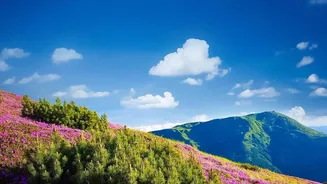
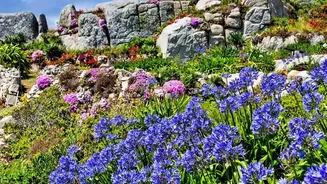
Yes, the headlines are true: Neelakurinji flowers are indeed blooming around Munnar in 2026. This spectacular flowering event is transforming hillsides into a sea of purplish-blue, particularly in areas like the Chokramudi hills and the Korandakadu hills near
Mattupetty. However, it's crucial to understand this is not the famous, all-encompassing mass bloom that covers every inch of the region. That legendary event, which last occurred in 2018, is scheduled to return around 2030. The 2026 bloom belongs to a different population of the same plant species that follows its own distinct 12-year cycle, last flowering in 2014. This makes the current event a rare and wonderful opportunity in its own right.
The Science Behind the 12-Year Wait
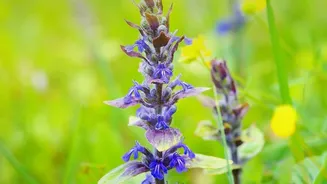
The Neelakurinji, or Strobilanthes kunthiana, is a fascinating shrub endemic to the shola grasslands of the Western Ghats. What makes it so extraordinary is its lifecycle. The plant is monocarpic, meaning it flowers only once in its lifetime, sets seed, and then dies. An entire generation of these plants grows for 12 years before they all bloom in a synchronized burst, a phenomenon known as gregarious flowering. This mass event attracts pollinators like bees and butterflies, ensuring the survival of the next generation of plants which will lie dormant for another 12 years. The name Nilgiri, meaning 'Blue Mountains', is widely believed to have been inspired by this periodic blue carpeting of the hills.
Prime Spots for the 2026 Bloom
For travellers hoping to witness the 2026 bloom, the main areas of focus are different from the ones famous during the 2018 event. The current flowering is concentrated around the Chokramudi and Mattupetty-Korandakkad hills. Organizers have opened designated viewing areas at Chokramudi for visitors. These locations are accessible from Munnar town and offer stunning views of the purple blossoms against the green tea plantations. It is important to note that Eravikulam National Park, the most famous site for the mass 2018 bloom and home to the endangered Nilgiri Tahr, is not the centre of the 2026 flowering. That park is instead the prime destination to mark on your calendar for the next great mass bloom around 2030.
More Than Just a Pretty Flower
The Neelakurinji bloom is deeply woven into the culture and ecology of the region. For the local Paliyan tribal community, the flowering cycle has historically served as a natural calendar to calculate their age and mark generations. The flower also holds a place in ancient Tamil Sangam literature. Ecologically, the plant is a vital indicator of the health of the fragile shola grassland ecosystem. The mass flowering provides an abundance of nectar, supporting the local honey industry and crucial pollinator populations. However, these habitats face increasing threats from climate change, habitat loss, and invasive species, leading to the Neelakurinji being classified as a 'Vulnerable' species.
Planning a Responsible Visit
Witnessing the bloom is a privilege, and it comes with a responsibility to protect this fragile ecosystem. Visitors are urged to stick to designated paths and avoid trampling the flowers or the surrounding grasslands, as this can damage the plants and their seeds for the next cycle. Given the popularity of the event, it is wise to plan your trip in advance. The flowering season typically peaks between August and October. Accommodation in and around Munnar can fill up quickly, so booking ahead is recommended. By respecting local guidelines and supporting local businesses, visitors can help ensure that this breathtaking natural wonder continues to thrive for future generations to witness.