



The Grain Defines the Meal
The incredible diversity of Indian breakfast boils down to a simple principle: you eat what you grow. The agricultural backbone of each region dictates its morning menu. The country’s cuisine can be broadly divided by its primary grain. The fertile, water-rich
southern and eastern states rely on rice, while the drier, cooler northern plains are dominated by wheat. Meanwhile, the arid lands of the west and parts of the Deccan Plateau have traditionally championed hardy millets. This agricultural reality has given rise to a stunning variety of dishes, each perfectly adapted to its local climate and the energy needs of its people.
The Rice-Powered South
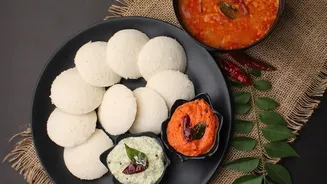
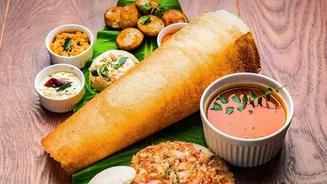
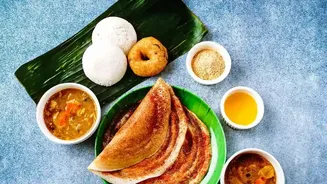
In South India, rice is not just a grain; it's a way of life. The breakfast table is a testament to the ingenuity of fermenting and steaming. Soft, pillowy idlis—steamed cakes made from a fermented batter of rice and lentils—are a cornerstone of a healthy start. The same batter, when spread thin on a hot griddle, transforms into a crispy, golden dosa. From the lacy, delicate appams of Kerala, traditionally served with a fragrant stew, to the comforting rice and lentil dish of Pongal in Tamil Nadu, breakfast in the south is a masterclass in making rice the star. These dishes are light, easily digestible, and provide the perfect carbohydrate boost to start the day.
The Hearty Wheat Belt of the North
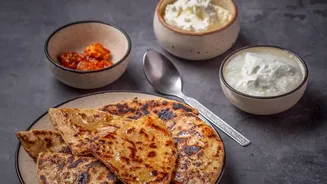
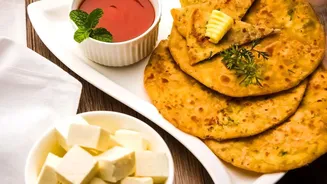
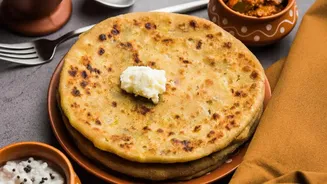
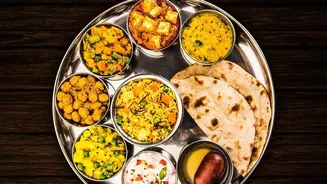
Travel north, and the breakfast landscape changes completely. Here, in the vast wheat-growing plains of Punjab, Haryana, and Uttar Pradesh, the morning meal is a more robust affair. The undisputed king is the paratha—a shallow-fried flatbread that can be eaten plain or stuffed with a variety of fillings like spiced potatoes (aloo), cauliflower (gobi), or paneer. Served with a dollop of white butter, tangy pickle, and a bowl of yogurt, it’s a hearty meal designed to fuel a day of hard work. Another favourite is puri sabzi, where deep-fried, puffed bread is paired with a flavourful potato curry, offering a satisfying and indulgent start to the day.
The Millet and Legume Strongholds
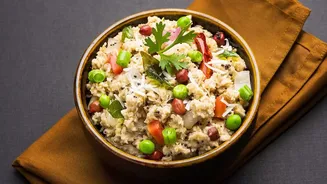
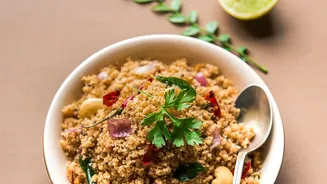
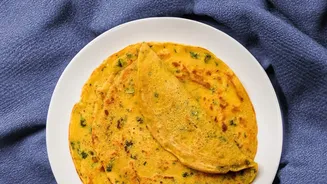
In the western states of Rajasthan and Gujarat, and parts of Maharashtra, breakfast often features millets like bajra (pearl millet) and jowar (sorghum), along with legumes. In Gujarat, the fluffy, steamed chickpea flour cake known as dhokla is a popular light and savoury option. Maharashtra’s go-to breakfast is often poha—flattened rice flakes lightly sautéed with onions, peanuts, and spices, offering a quick and nutritious meal. These grains and pulses are well-suited to the drier climates and provide sustained energy. In recent years, ancient millets like ragi (finger millet) are seeing a resurgence across the country, prized for their high nutritional value and prepared as porridges, dosas, or flatbreads.
Adapting to Modern Rhythms
While these traditional grain-based breakfasts remain popular, modern urban life is introducing new influences. Hectic morning schedules in cities mean that convenience is becoming increasingly important. Many urban Indians are now turning to quicker options, including oats, muesli, and fortified cereals. However, the love for traditional flavours remains strong. Many are finding creative ways to adapt old recipes for new lifestyles, such as using instant mixes for dosas and idlis or preparing millet-based porridges that are both healthy and quick. This blend of old and new ensures that while routines may change, the soul of the Indian breakfast—rooted in its staple grains—endures.