

Timing Your Alpine Adventure
The main flying season in the French Alps typically runs from spring through autumn, with each period offering a distinct experience. While it's possible to fly year-round, the prime window for most pilots is between May and September. Summer months,
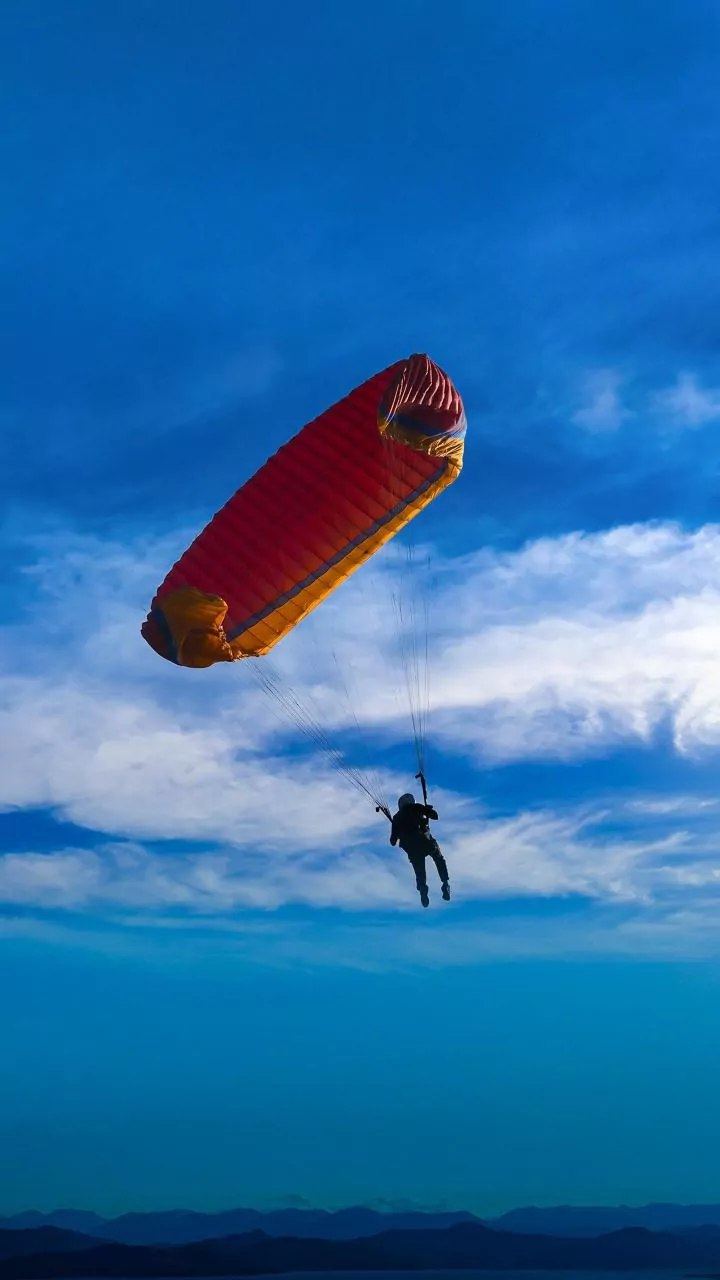
particularly June to August, deliver the strongest and most reliable thermals, creating powerful lift that is ideal for long cross-country (XC) flights. This is when cloud bases can soar above 3,000 metres, opening up spectacular high-mountain routes. However, this is also peak season, meaning popular launch sites can be very crowded, and the midday air can be turbulent and challenging for less experienced pilots. For those seeking calmer conditions, spring (April-May) and autumn (September-October) are excellent choices. These shoulder seasons offer smoother air, fewer crowds, and stunning landscapes, whether it’s the vibrant green of spring or the golden hues of autumn. Winter flying is also possible, characterized by cold, stable air and gentle conditions, but is limited by shorter daylight hours.
Iconic Hubs and What to Expect
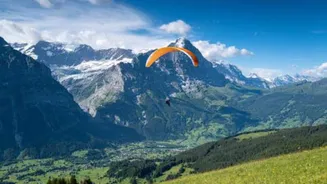
The French Alps are home to hundreds of registered flying sites, but a few key hubs stand out. Annecy is arguably the most famous, renowned for its breathtaking views over the pristine lake. The main launch at Col de la Forclaz is one of the busiest in Europe, with conditions suitable for everyone from first-time tandem passengers to seasoned XC pilots. For those seeking a more dramatic, high-altitude experience, Chamonix is the undisputed 'mecca' of mountain flying. Launching from sites like Planpraz (2,000m) offers staggering views of the Mont Blanc massif, but the powerful thermals and strong valley winds demand respect and experience. Another legendary site is Saint-Hilaire-du-Touvet, near Grenoble. Considered the spiritual home of free flight in France, it hosts the annual Coupe Icare festival and provides access to the long Grésivaudan valley, a classic route for XC pilots. Each area has its own unique character, and choosing the right one depends entirely on your goals and skill level.
The Essential Role of Local Operators
Unless you are a local pilot with extensive knowledge, connecting with a local paragliding school or operator is crucial for both safety and logistics. France has over 150 approved schools, most of which are certified by the Fédération Française de Vol Libre (FFVL). These operators are more than just instructors for beginners; they provide invaluable services for visiting pilots of all levels. This includes daily site and weather briefings, transport to launch sites (often via private shuttles), and retrieval from down-valley landings. Navigating Alpine weather, especially the powerful valley winds that develop during the day, requires expert local knowledge. A good operator will provide detailed forecasts and explain site-specific hazards. They also ensure you have the correct insurance—third-party liability is mandatory to fly at official sites in France—and can help visiting pilots obtain temporary FFVL licenses if needed. For those looking to improve, schools offer a range of courses, from advanced thermalling and XC clinics to multi-day guided tours.
Matching a Site to Your Skill
The most important part of planning is honestly assessing your abilities. A site that is a paradise for an expert can be dangerous for a low-airtime pilot. Annecy, for example, offers great flexibility. A beginner can enjoy a gentle morning sled ride from the Planfait launch, while an advanced pilot can launch from Col de la Forclaz in the stronger afternoon air to attempt a crossing to the Aravis mountain range. Chamonix, however, is generally less forgiving. The high-altitude launches and complex glacial terrain are best suited for experienced pilots comfortable with strong conditions and active piloting. For intermediate pilots looking to build confidence and airtime, sites outside the main hubs, like those near Grenoble, can offer reliable thermals and lower-stress conditions without the intense crowds. Always check the local club or school for information, read the site board at launch, and never hesitate to ask local pilots for advice before you fly.