


A Surprisingly Tough Stowaway
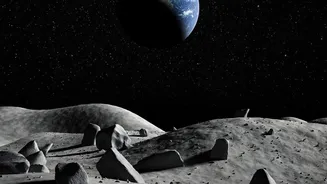
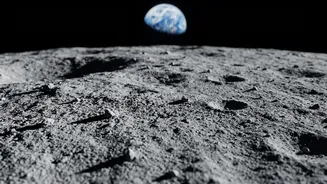
The Moon seems like the most hostile environment imaginable: no air, wild temperature swings, and a constant bombardment of sterilizing radiation. Yet, recent research shows that for some of Earth's toughest lifeforms, it's not an instant death sentence.
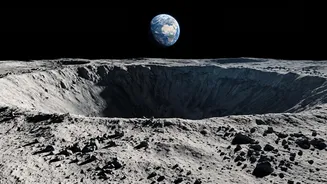
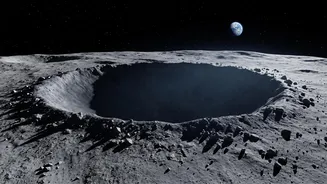
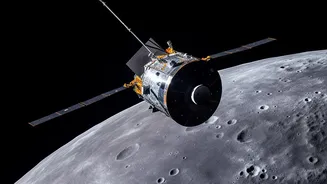
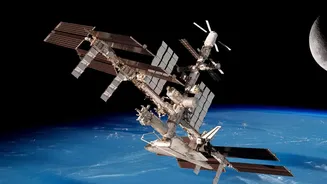
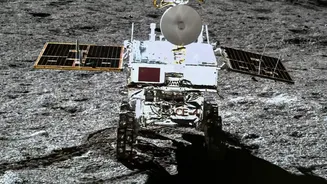
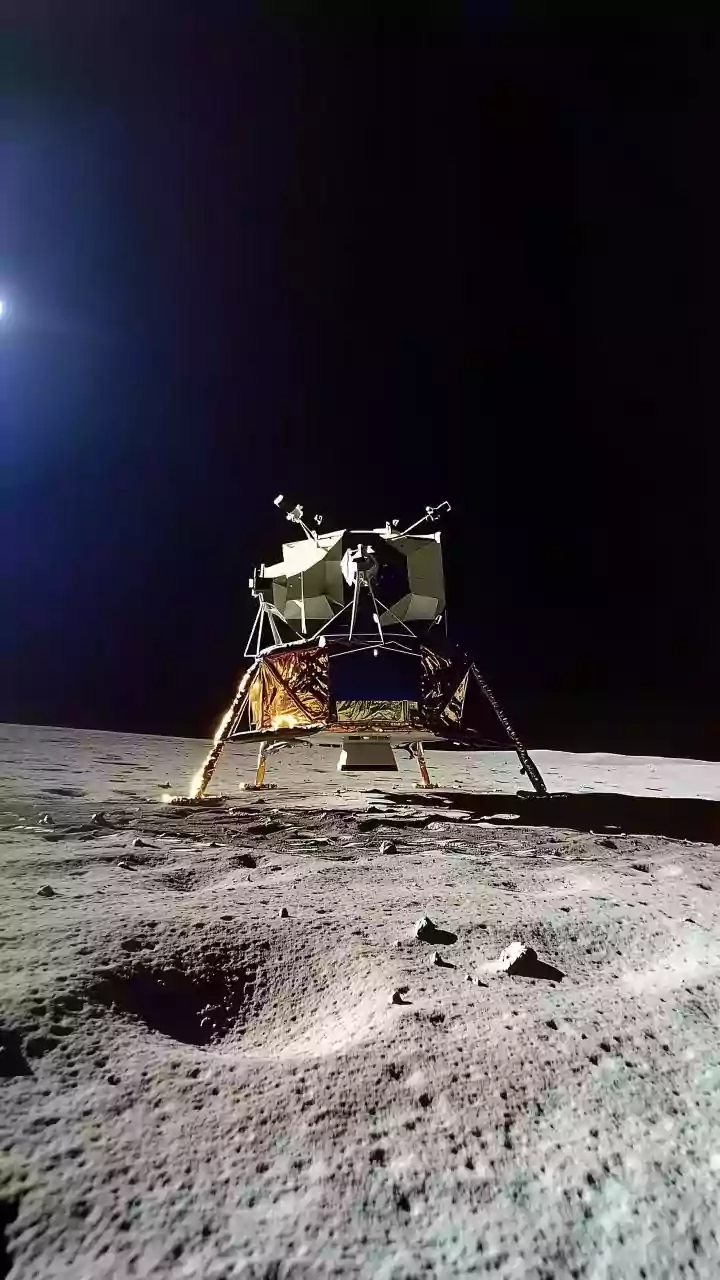
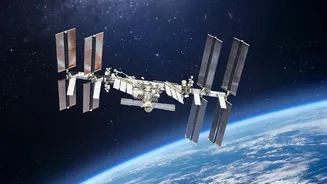
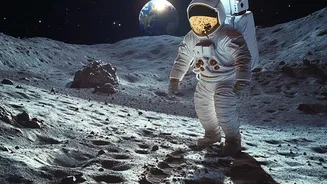
A study published in August 2026 revealed that spores of a common fungus, Aspergillus niger, could survive for up to a week in certain lunar conditions. This isn't just any fungus; it's the black mould you might find in a damp bathroom, and it has repeatedly been detected aboard the International Space Station (ISS). Researchers didn't actually send mould to the Moon. Instead, they used detailed data from NASA's Lunar Reconnaissance Orbiter to model the environment at the lunar south pole—a key target for upcoming Artemis missions. They combined terrain, temperature, and radiation models with laboratory data on how much punishment different microbes can take. The results showed that while direct sunlight is lethal, small, permanently shadowed craters and even the shade cast by a boulder could create niches where fungi might survive.
The Champion of UV Resistance
Among the five microbes tested—three types of bacteria and two fungi—Aspergillus niger was the clear champion of survival. Its dark pigments and thick-walled spores give it extraordinary resistance to ultraviolet (UV) radiation, which is a major hazard on the airless lunar surface. In fact, Aspergillus proved to be even tougher against UV rays than Deinococcus radiodurans, a bacterium so famously radiation-resistant it’s used as a benchmark for biological hardiness. While other microbes found potential havens, Aspergillus could persist across about 3% of the mapped landscape for at least seven days. This resilience is no surprise to scientists who have studied fungi in space. Spores of Aspergillus niger have been found to be highly resistant to X-rays and cosmic radiation in lab tests, surviving doses far greater than what would be experienced on a trip to Mars. This inherent toughness is why it's a persistent contaminant on the ISS.
Risks to Astronauts and Equipment
The survival of fungal spores isn't just a scientific curiosity; it poses tangible risks to future long-duration missions. Fungi are a known threat to astronaut health. Spores are easily spread through the air and can cause allergies and respiratory illnesses in the confined environment of a spacecraft or lunar habitat. On the ISS, mould has been a recurring problem, and some studies suggest microbes can even become more resistant to antibiotics in space. Beyond health concerns, fungi can be destructive. Some species are known to promote the biodegradation of materials, meaning they can slowly eat away at rubber seals, wiring insulation, and other critical spacecraft components. On Russia’s Mir space station, fungi damaged window seals and control panels. The prospect of a resilient fungus taking hold in a lunar base is a serious engineering and safety concern that mission planners must address.
The Planetary Protection Problem
There's another, more profound issue at stake: planetary protection. This is the guiding principle that we must avoid contaminating other worlds with life from Earth. Scientists want to study the Moon and Mars in their pristine states to search for signs of native chemistry or even past life. If we bring our own microbes along and they survive, it could hopelessly contaminate future scientific samples. Researchers wouldn't know if they'd found something truly lunar or just mould that hitched a ride on a rover wheel. The new study emphasizes that survival is not the same as growth; the Moon still lacks the liquid water and stable conditions needed for fungi to thrive and reproduce. However, the fact that they can survive in a dormant state for days or weeks means contamination is a real possibility that needs careful management. This research suggests that current decontamination protocols, which have historically focused more on bacteria, may need to be revisited to account for the hardiness of fungal spores.