







The Raw vs. Cooked Debate
The belief that 'raw is always better' is a common nutrition myth. While it's true that some nutrients are lost during cooking, it's not the full story. Cooking can actually make other nutrients more available for your body to absorb. The process helps
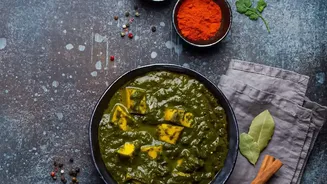
break down tough plant cell walls, releasing beneficial compounds. For example, cooking spinach helps reduce oxalic acid, a compound that can interfere with the absorption of essential minerals like iron and calcium. By heating the greens, you make these minerals more bioavailable, meaning your body can use them more effectively. So, a well-prepared dish of cooked greens can sometimes offer more nutritional bang for your buck than a raw salad.
Understanding Nutrient Changes
The main casualties of cooking are water-soluble vitamins, particularly Vitamin C and some B vitamins like folate. Because they dissolve in water and are sensitive to heat, methods like boiling can cause a significant amount of these nutrients to leach out into the cooking water. Studies have shown that boiling can destroy a high percentage of the Vitamin C in greens like spinach. However, fat-soluble vitamins (A, E, and K) and most minerals are much more stable. In fact, your body can absorb more fat-soluble vitamins from cooked greens, especially when they are eaten with a little bit of fat, like in a traditional tadka.
The Smartest Ways to Cook Your Greens
The cooking method you choose has the biggest impact on nutrient retention. The golden rule is to use minimal water and cook for the shortest time possible. Steaming is consistently ranked as one of the best methods. It cooks the vegetables without submerging them in water, preserving a high level of water-soluble vitamins. Microwaving is another surprisingly effective option that retains a high percentage of nutrients like Vitamin C. Sautéing or stir-frying are also excellent choices. These quick, high-heat methods use very little liquid, and the addition of oil can help increase the absorption of fat-soluble vitamins. If you must boil your greens, try to use as little water as possible and consider using the leftover nutrient-rich water in a soup or dal.
Beyond the 'Superfood' Hype
It's easy to get caught up in promises of 'miracle' foods. Kale, spinach, and other greens are often branded as 'superfoods' that can single-handedly transform your health. While leafy greens are incredibly nutrient-dense, no single food is a magic bullet. The term 'superfood' is a marketing buzzword, not a scientific category. True health comes from your overall dietary pattern—variety, moderation, and consistency—not from relying on one special ingredient. These greens are fantastic additions to a balanced diet, but they can't offset an otherwise unhealthy lifestyle. Their job is to support your body's functions, not to perform miracles.
Making Greens Delicious and Practical
The most nutritious vegetable is the one you actually eat and enjoy. Instead of forcing down a 'superfood' you dislike, focus on incorporating a variety of greens that you find delicious. Fortunately, Indian cuisine offers countless ways to do this. Finely chop methi (fenugreek leaves) and add it to paratha dough. Wilt a large bunch of palak (spinach) into your favourite dal for an effortless nutrient boost. Prepare a simple sabzi with amaranth leaves, mustard greens, or chard. Cooking not only improves the nutritional profile in some ways but also tames the bitterness of certain greens and makes them more palatable. Ultimately, enjoying your food is key to building sustainable, healthy eating habits.