


The Power of Predictability
Children often thrive on routine, which helps them feel safe and secure. This desire for predictability extends to the dinner table. When meals and snacks happen at roughly the same time each day, it helps regulate a child's appetite and reduces anxiety
around food. An environment of calm consistency is less likely to trigger resistance. Food neophobia, a fear of new foods, is a common and normal phase for many young children. Routines create a low-pressure foundation where new or less-preferred foods, like vegetables, can be introduced in a familiar context, making them seem less intimidating. The goal is to make the presence of vegetables on the plate a normal, expected part of the daily meal, not a surprise attack.
Repetition without Pressure
One of the most effective strategies for encouraging vegetable consumption is repeated exposure. Research suggests it can take many encounters—sometimes 10 or more—before a child is willing to try, let alone accept, a new food. The key is to offer vegetables regularly without forcing, bribing, or punishing. Pressuring a child to eat can create a negative association with that food and often has the opposite of the intended effect. Instead, consistently include a small portion of a vegetable on their plate. The routine is in the offering. Allow the child to touch, smell, or simply observe it. This no-pressure exposure builds familiarity and trust, which are essential steps before a child will even consider taking a bite.
Small Routines, Big Impact
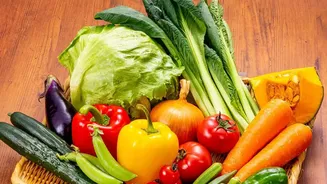
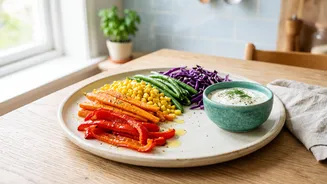
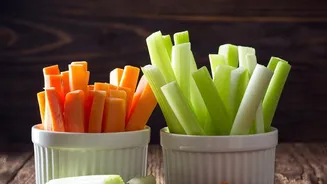
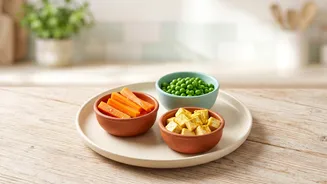
Implementing small, consistent food routines doesn't require a complete overhaul of your family's life. It can be as simple as always serving a vegetable side with dinner, even if it's a familiar favorite like carrots. Another effective routine is including at least one food on the plate that you know your child likes. This 'safe' food reduces mealtime anxiety and makes them more open to exploring other items. You can also try serving vegetables first, when children are often hungriest. Offering vegetables with a favorite dip like hummus or a yogurt-based dressing can also make them more appealing and encourage that first taste. The consistency of these small actions is more powerful than sporadic grand gestures.
Involve Them in the Process
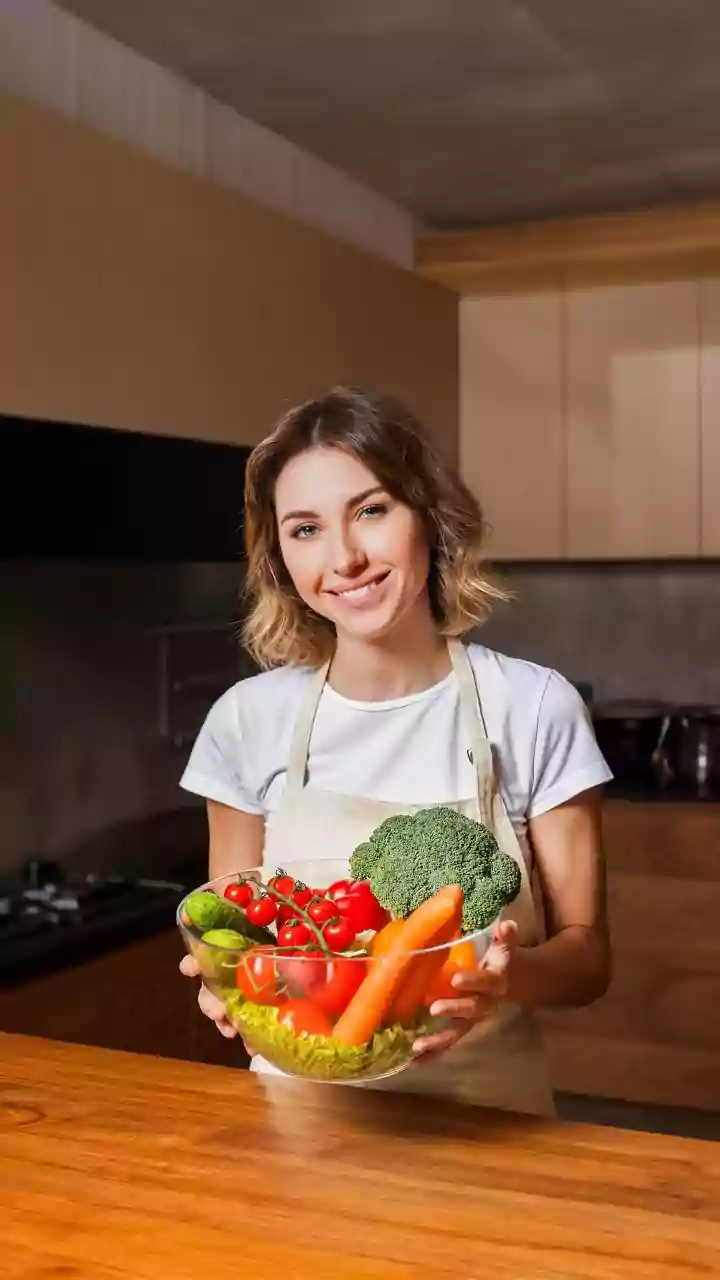
Creating routines around the preparation of food can be just as important as the meal itself. Studies show that children who are involved in cooking and meal prep are significantly more likely to eat the foods they help make, including vegetables. This involvement can be tailored to their age. A toddler can help by washing vegetables, while an older child can assist with chopping or mixing a salad. Letting children pick a new vegetable at the grocery store or help you find a recipe gives them a sense of control and ownership. This positive engagement builds curiosity and can turn meal preparation into a fun, anticipated routine that naturally leads to more adventurous eating.
You Are the Most Important Routine
Ultimately, the most influential routine is your own behavior. Parental modeling is one of the strongest predictors of a child's eating habits. If children see their parents and older siblings eating and enjoying vegetables as a normal part of daily life, they are more likely to adopt the same attitude. Eat meals together as a family when possible, and make sure vegetables are a regular feature on your own plate. Talk positively about the food, discussing its colors and textures rather than focusing on whether or not the child is eating it. Your consistent, positive example sets the most powerful precedent of all.