






What Exactly Is Aerial Yoga?
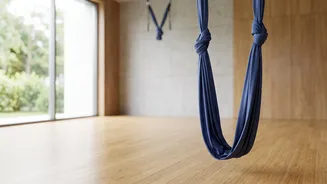
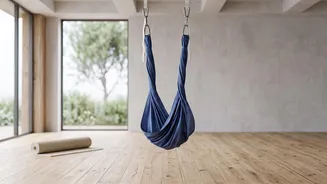
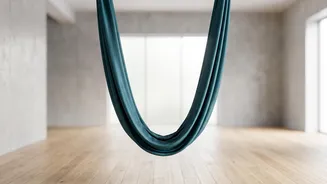
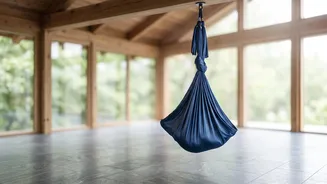
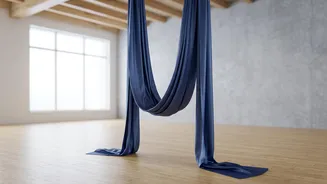
Aerial yoga, also known as anti-gravity yoga, is a hybrid practice that combines traditional yoga postures with elements of Pilates, dance, and acrobatics. The key feature is a soft, fabric hammock suspended from the ceiling. This silk sling supports
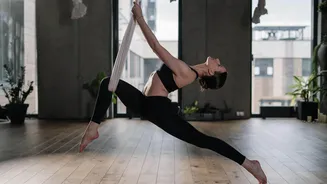
your body weight, allowing you to move through poses, achieve deeper stretches, and even hang upside down without putting pressure on your spine or joints. Think of it less like running away to the circus and more like using a highly versatile prop that helps you explore movement in a three-dimensional space. It’s a practice that is widely considered accessible and can be adapted for various fitness levels, from gentle, restorative sessions to more physically demanding workouts.
The Challenge of a Wandering Workout Mind
The intention to be “present” during exercise is a common goal, but it's often easier said than done. The mind defaults to planning, worrying, and replaying conversations, turning a potentially restorative physical activity into a mentally scattered one. This mental static isn't just a distraction; it’s a missed opportunity. When the mind and body are disconnected during exercise, we lose out on the full stress-reducing benefits of the activity. Mindfulness in movement can help lower stress hormones and calm the nervous system, but that requires focus. The challenge for many is that a repetitive or familiar workout routine simply doesn’t provide enough stimulus to keep the brain engaged, allowing it to drift away effortlessly.
How Floating Forces Focus
This is where aerial yoga’s unique setup comes into play. Being suspended in a hammock, even partially, creates an unstable environment that demands your full concentration. You cannot simply zone out. Every movement requires you to be acutely aware of your body's position, how to maintain balance, and how to engage your core to stay stable. This heightened need for focus effectively anchors you in the present moment. The novelty of the experience and the physical sensations of floating, stretching, and inverting are so engaging that they naturally crowd out mental chatter and daily stressors. This state isn't something you have to force; the practice itself cultivates it, making mindfulness an integral part of the movement.
Beyond the Mind: Physical Perks
While the mental benefits are compelling, the physical advantages are just as significant. The support of the hammock allows for deeper stretches than might be possible on a mat, enhancing flexibility. One of the most celebrated benefits is spinal decompression. By hanging inverted, gravity works to create space between the vertebrae, which can help alleviate back tension. Furthermore, aerial yoga is a fantastic full-body workout. It builds significant core and upper body strength, as stabilizing your body in the air requires constant muscle engagement. Research has even pointed to cardiovascular benefits comparable to low-to-moderate intensity activities like brisk walking.
Is It Right for You?
Despite its acrobatic appearance, many aerial yoga classes are designed to be beginner-friendly. You don't need pre-existing strength or flexibility to start. However, the practice is not suitable for everyone. Inverting (going upside down) can affect blood pressure and inner ear equilibrium. Therefore, individuals with conditions like uncontrolled high or low blood pressure, heart disease, glaucoma, vertigo, or severe spinal injuries should avoid aerial yoga or consult a doctor before trying it. It is also not recommended during pregnancy or for those recovering from recent surgery. The best approach is to find a certified instructor who can guide you safely through the movements and help you listen to your body's limits.