




Honouring a Rich Legacy
In a significant move to celebrate its 173-year history, the Railway Board has announced plans to honour 103 of its most historic stations. These structures, some of which have witnessed the dawn of railways in India, will be celebrated through a series
of events called “Station Mahotsav”. The initiative aims to showcase the unique local history and cultural significance of these British-era stations, which are spread across the country. Of the selected stations, a remarkable 72 were built in the 19th century, with the oldest dating back to 1854. This project is not merely about maintenance but about actively engaging with the public through photo exhibitions, displays of vintage equipment, and short films that tell the story of these incredible landmarks.
What Makes a Station a Heritage Site?
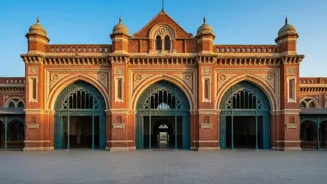
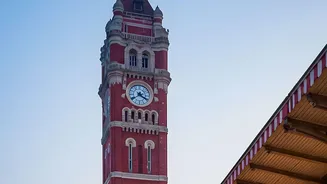
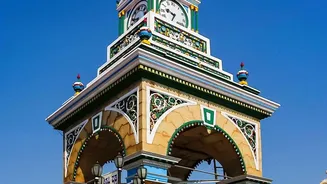
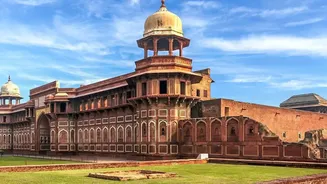
A heritage designation is more than just an acknowledgement of age. Indian Railways has a comprehensive policy for conserving its historical assets, which includes not only station buildings but also bridges, workshops, and even vintage locomotives. These sites are chosen for their architectural grandeur, their role in key historical events, and their significance in the evolution of the railway network. Many of these stations are architectural marvels, blending Victorian Gothic, Indo-Saracenic, and other colonial styles with local design elements. The preservation efforts are meticulous, often involving cleaning and restoring original stone facades, repairing intricate timber roofs, and even replicating historic paint colours to bring the buildings back to their former glory, all while ensuring they remain functional for millions of daily commuters.
Journey to the 1850s
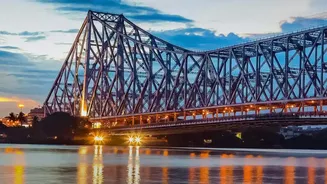
The story of Indian Railways began on April 16, 1853, with the first passenger train running from Bori Bunder in Mumbai to Thane. Several stations on the new heritage list were part of this pioneering era. Byculla in Mumbai, opened in 1853, is one of the oldest stations in India still in use. After a meticulous, three-year restoration project led by a local NGO and conservation architects, the station's original Gothic architectural glory was unveiled in 2022, earning it a UNESCO Asia Pacific Cultural Heritage award. Other early giants include Howrah in West Bengal (1854), which remains one of the country's busiest hubs, and Royapuram in Chennai (1856), recognised as the oldest surviving station building in India.
Architectural Marvels Across India
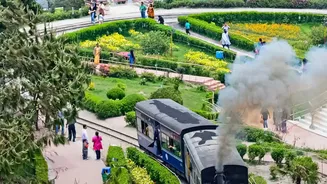
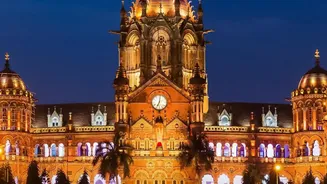
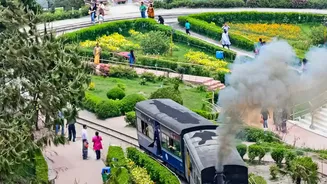
The list of 103 stations is a testament to the diverse architectural legacy of the railways. From the magnificent Chhatrapati Shivaji Maharaj Terminus in Mumbai, a UNESCO World Heritage site known for its stunning Victorian Gothic and traditional Indian design, to the palatial Lucknow Charbagh station (1926), which combines Rajput, Awadh, and Mughal styles, these buildings are iconic city landmarks. In the south, Chennai's Royapuram station features grand Corinthian columns, a signature of its 1856 design. Even smaller stations, like those on the Nilgiri Mountain Railway, are part of this heritage, recognised by UNESCO for their unique engineering and charm. The preservation efforts aim to retain these unique characteristics, ensuring that modern upgrades blend seamlessly with the historic architecture.
Preservation for the Future
Maintaining these heritage structures is a delicate balancing act. The Indian Railways' Amrit Bharat Station Scheme, a massive modernisation programme, includes specific provisions for heritage sites. The goal is to upgrade passenger amenities and integrate modern facilities without compromising the historical integrity of the buildings. This often involves close consultation with heritage committees to ensure that any new construction complements the original design. The restoration of Byculla station serves as a powerful example of successful public-private partnership, where NGOs, corporate houses, and railway officials collaborated to fund and execute the project. This model highlights a path forward for preserving these invaluable assets for generations to come, ensuring they remain not just relics of the past but vibrant, living parts of India's future.