



The Science of the Sun Seeker
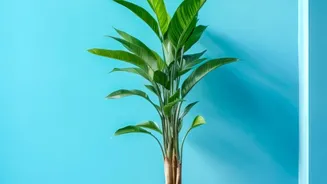
Have you ever noticed your plant leaning dramatically towards a window, like it's trying to escape? This phenomenon has a name: phototropism. It’s a natural process where a plant's growth is directed by a light source. The plant produces a growth hormone
called auxin, which moves to the shadier side of the stem. This causes the cells on the dark side to grow longer, effectively bending the plant toward the light. While this is a clever survival tactic, it results in lopsided, uneven growth. One side becomes lush and full, while the other remains sparse and leggy. Regular rotation is the simple solution to counteract this, ensuring all parts of the plant get their moment in the sun for strong, symmetrical development.
Why Gradual Rotation Matters Most
If a little rotation is good, a big, fast rotation must be better, right? Not exactly. A sudden 180-degree turn can be a shock to a plant's system. Think of its leaves as tiny solar panels that have oriented themselves for optimal light absorption in their current position. When you abruptly spin the plant around, the shaded, more delicate leaves are suddenly exposed to intense light they aren't prepared for. This can lead to leaf scorch, where patches of the leaf turn brown, yellow, or white and feel dry and papery. For particularly sensitive plants, this shock can also cause yellowing, drooping, or even leaf drop as the plant struggles to adapt to the drastic environmental change. A gradual approach allows the plant to slowly acclimate, preventing stress and promoting healthy, continuous growth.
Identifying Your Light-Sensitive Plants
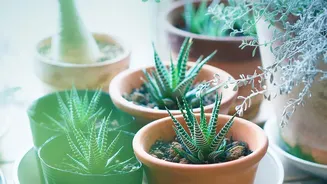
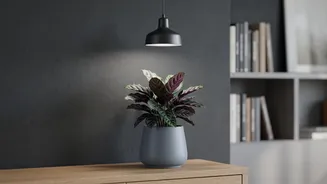
While most houseplants benefit from rotation, some are more particular about their orientation than others. Fiddle Leaf Figs (Ficus lyrata) are notoriously fussy and may drop leaves if moved or rotated too suddenly. Many members of the Calathea family, also known as prayer plants, are sensitive to environmental shifts. Tropical plants that evolved under a dense forest canopy, such as many Philodendrons and Anthuriums, prefer bright, indirect light and can be scorched by sudden, direct sun exposure. On the other hand, robust plants like Snake Plants (Sansevieria) and ZZ Plants (Zamioculcas zamiifolia) are generally more tolerant of both lower light and handling. Cacti and succulents can also be rotated freely, as their slower growth makes the adjustment less dramatic.
The Quarter-Turn Rule: A Step-by-Step Guide
The most recommended method for safe and effective rotation is the quarter-turn rule. It’s simple, gentle, and easy to remember. The idea is to give your plant a quarter turn (90 degrees) on a consistent schedule. A popular and easy-to-remember method is to rotate the plant a quarter turn every time you water it. Over the course of four waterings, the plant will have completed a full 360-degree rotation, ensuring every side gets equal light exposure over time. For plants in lower light conditions, a weekly or bi-weekly quarter-turn is ideal, especially during the active growing seasons of spring and summer. This slow and steady approach prevents the shock of a sudden change while actively encouraging the straight, upright growth all plant owners desire.
Reading the Leaves: Signs of Light Stress
Your plant will tell you if it's unhappy with its light situation. It's important to know the signs of both too much and too little light. If a plant gets too much light too quickly, you may see scorched, bleached, or brown patches on the leaves, particularly the ones closest to the light source. The leaves might also curl, look washed-out, or the plant may wilt even when the soil is moist. Conversely, a plant that isn’t getting enough light will often become 'leggy', meaning its stems are long and stretched with sparse leaves. The leaves might be smaller than usual, pale green or yellow, and the plant's overall growth will be slow or non-existent. Paying attention to these signals allows you to adjust your rotation schedule and placement before any significant damage occurs.