



Understanding the Current Market
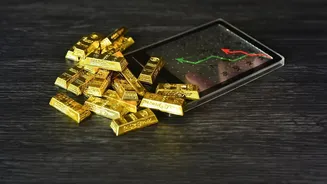
Recent weeks have seen fluctuations in the price of gold, a trend influenced by several global and domestic factors. International pressures, such as expectations of US Federal Reserve rate hikes and a strengthening US dollar, have put downward pressure on gold prices
globally. In early November, this led to a noticeable dip in domestic prices as well. However, the Indian market has its own dynamics. A weaker rupee and high import duties often cushion the domestic price from the full impact of global declines, meaning Indian prices can remain relatively high. Despite a recent correction from the year's peak, prices are still significantly higher than during last year's festive season. This volatility keeps buyers on edge, wondering if they should purchase now or wait for a better opportunity.
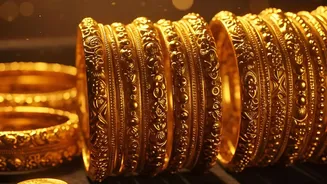
Gold: The Enduring Favourite
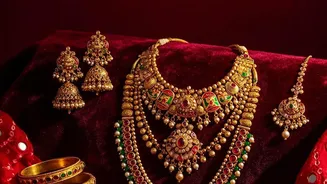
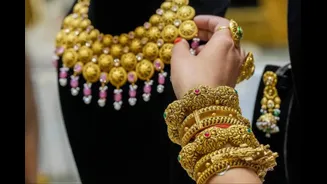
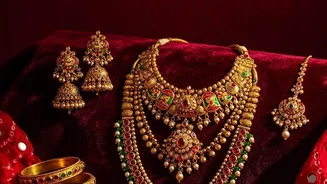
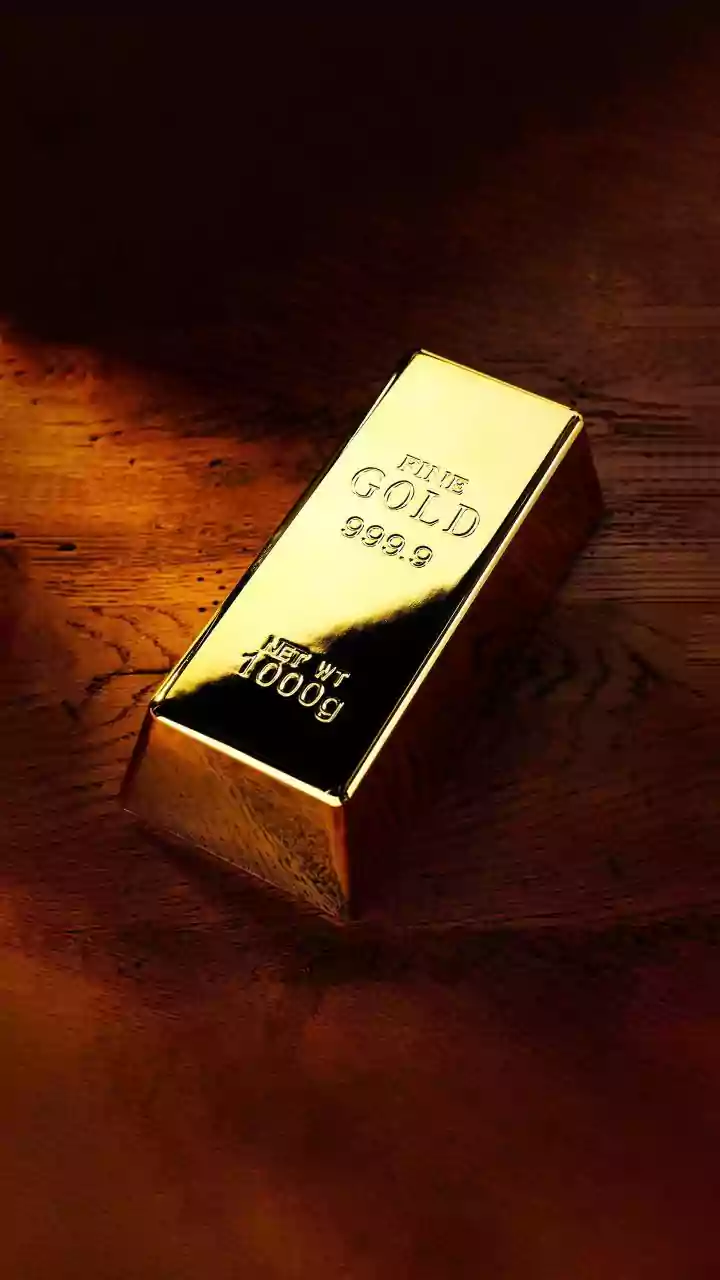
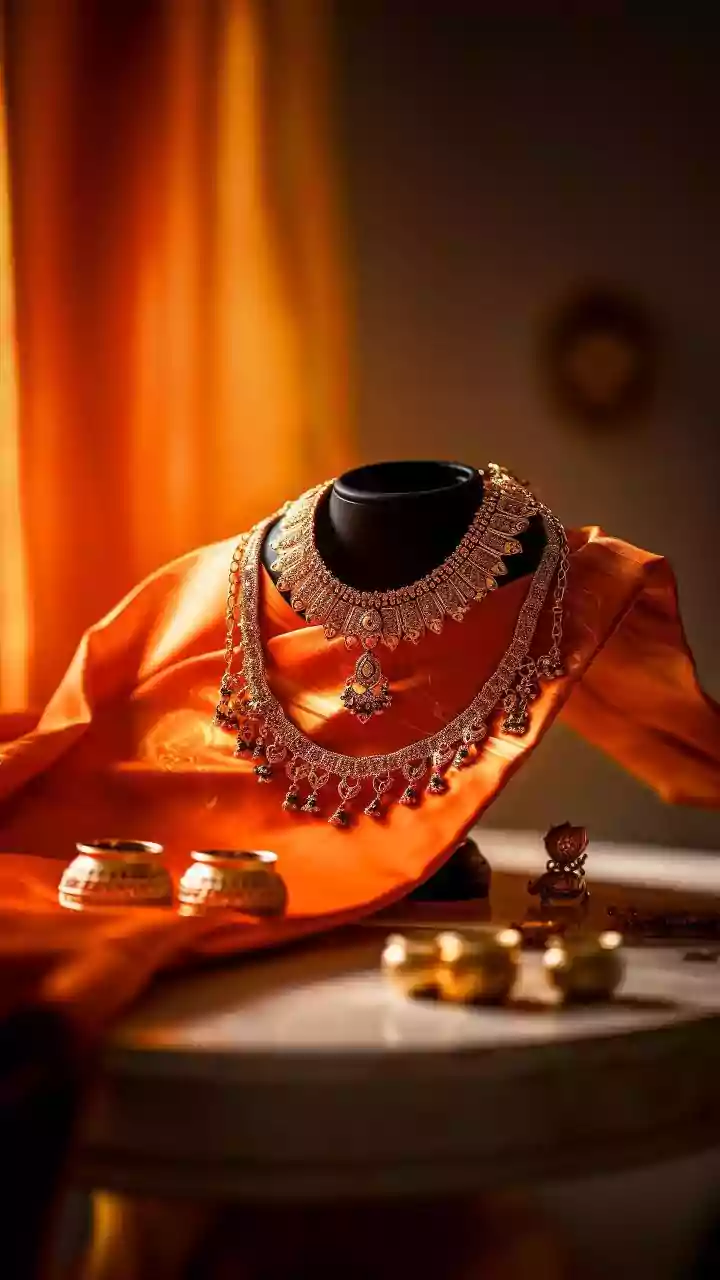
Gold remains the cornerstone of Indian wedding jewellery, deeply woven into tradition and seen as a vital asset. As of mid-November 2026, prices for 24-karat gold are hovering in a range that experts feel could either dip slightly or hold firm, making purchase decisions tricky. While demand during the recent Diwali festival was healthy, supported by a slight price dip, many retailers note a trend: families are spending more money but getting fewer grams of gold. To adapt, many are exchanging old jewellery to offset the cost of new pieces. When buying gold, it's crucial for consumers to look beyond the sticker price. Always insist on hallmarked jewellery to guarantee purity. Pay close attention to 'making charges', which can vary wildly from 8% to 25% and significantly impact the final bill. Some jewellers may be negotiable on these charges, especially for larger purchases.
Platinum and Silver: The Alternatives
While gold dominates, other precious metals offer compelling alternatives. Platinum, known for its durability and natural white sheen, has become a popular choice for engagement rings and wedding bands. It is denser and purer than gold used in jewellery (typically 95% pure), making it hypoallergenic and highly resistant to wear. Though often more expensive than gold due to its rarity and the craftsmanship required, its price does not fluctuate as dramatically in the cultural consciousness. For those seeking a premium, modern look that securely holds diamonds, platinum is an excellent investment. Silver remains a staple for wedding-related gifts and smaller items. While not typically used for the main bridal set, its affordability makes it perfect for ancillary functions and presents for the extended family. Its price is significantly lower than gold or platinum, allowing for more substantial-looking pieces on a budget.
Smart Shopping Strategies for Couples
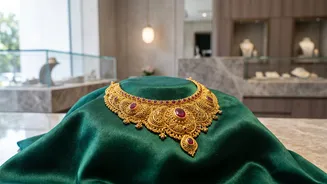
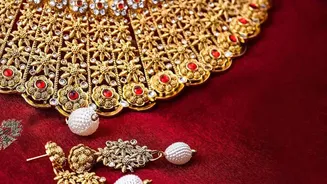
Navigating a volatile market doesn't mean you have to compromise. The best strategy is to be an informed and prepared buyer. Start by setting a firm budget. Rather than trying to time the market perfectly, which is nearly impossible, consider a staggered purchase plan. Buying your jewellery in parts can help average out the cost over time. Another smart move is to look for designs that offer visual impact without excessive weight. Choker-style necklaces often use less gold than long 'raani haars'. Similarly, modern designs with intricate latticework or those studded with gemstones can appear grand while managing the gold content. Don't underestimate the power of revamping family heirlooms. A trusted jeweller can modify or polish older pieces to give them a contemporary feel, preserving sentimental value while saving a great deal of money. Finally, consider detachable jewellery—pieces that can be broken down into smaller components, like a heavy necklace that separates into a pendant and earrings, offer more versatility for future use.