





The Initial Forecast
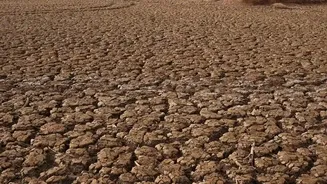
The Indus River System Authority (IRSA) announced that following its advisory committee meeting, it has projected a 22% water shortage for the Rabi season, which runs from October 2026 to March 2027. This initial forecast is based on lower-than-expected
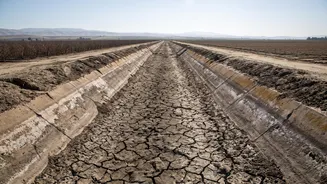
river inflows during the preceding Kharif season and reduced water levels in the country's major reservoirs. Specifically, total water storage was recorded at 9.343 million acre-feet (MAF) on September 30, significantly lower than the 13.214 MAF available at the same time last year and below the ten-year average. The shortage will primarily affect Punjab and Sindh, the agricultural heartlands of the country, which have been allocated 15.564 MAF and 11.748 MAF, respectively. Balochistan and Khyber Pakhtunkhwa are exempt from the cuts.
Why is There a Shortage?
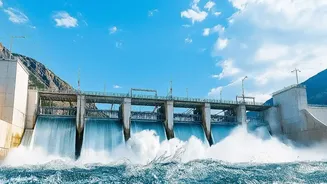
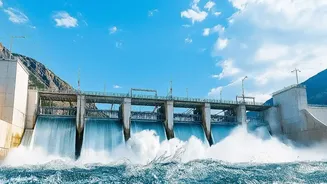
The deficit stems from a combination of factors. The preceding summer monsoon season, or Kharif, saw river inflows that were 8% below anticipation and 22% lower than the previous year. This is attributed to inconsistent rainfall and variable temperatures affecting snow and glacier melt, which feed the Indus river system. Compounding the issue are significant delays in key infrastructure projects. IRSA has specifically pointed to ongoing construction at the Tarbela Dam, including the Tunnel 4 Low-Level Outlet and the Tunnel 5 Hydropower Project. These delays, with projects running years behind their scheduled completion dates of 2022 and 2025, have reportedly prevented the storage of over 3 million acre-feet of water.
The Stakes for Farmers and Food Security
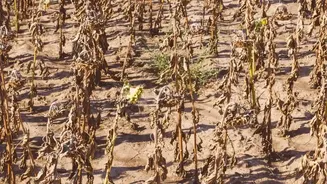
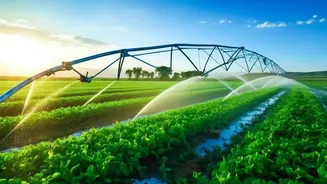
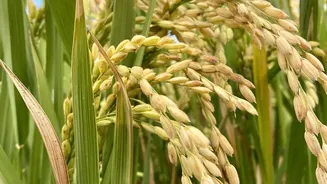
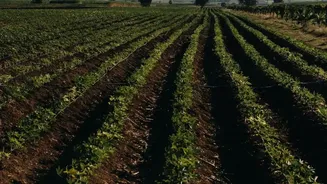
The Rabi season is critical for Pakistan's food security, as it is when the country's staple wheat crop is grown, along with other important crops like barley, gram, and mustard. More than 80% of Pakistan's agriculture relies on the Indus Basin irrigation system. A 22% water shortage could force farmers to make difficult choices, such as relying more heavily on expensive and often unsustainable groundwater extraction or simply accepting lower crop yields. This comes at a precarious time. Even without a water shortage last season, wheat production fell short of the national consumption requirement, leading the government to order imports of one million tonnes. The projected water scarcity is expected to put further upward pressure on food prices, with flour prices in September already running over 30% higher than the previous year.
What 'Periodic Reviews' Mean
IRSA’s decision to 'periodically review' the shortage figure is a crucial part of the announcement. Rather than locking in a 22% shortage for the entire six-month season, the authority will adjust its water distribution strategy based on actual conditions as they unfold. This provides a degree of flexibility. If late-season rainfall occurs or river flows improve unexpectedly, the shortage percentage could be revised downwards, providing relief to farmers. Conversely, if conditions worsen, the cuts could become deeper. This approach acknowledges the inherent unpredictability of the river system but also means that farmers and provincial irrigation departments must plan for a season of uncertainty, managing their water resources with extreme care until the next assessment from the regulator.