


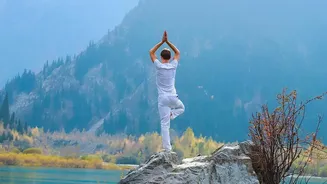
The Art of Moving Meditation
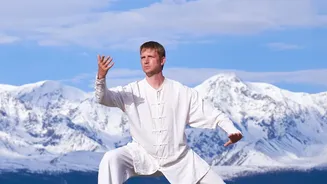
At its heart, Tai Chi is often described as 'meditation in motion'. It combines slow, graceful movements with deep breathing and mental focus to create a holistic exercise. Unlike high-intensity workouts, Tai Chi doesn't require you to push your limits.
Instead, it teaches you to connect with your body and move with intention. The practice consists of a series of postures that flow seamlessly from one to the next, creating a continuous, dance-like sequence. This emphasis on fluid motion helps to improve joint mobility, increase lean muscle mass over time, and calm the nervous system. It's an accessible practice for people of all ages and fitness levels because it's low-impact and easily adaptable.
Mastering Physical Control and Balance
One of the most well-documented benefits of Tai Chi is its remarkable ability to improve balance and prevent falls, particularly in older adults. This is achieved by enhancing proprioception—your body's ability to sense its own position, movement, and orientation in space. The slow, weight-shifting movements train the small stabilizing muscles in your ankles, knees, hips, and core. By forcing your muscles to work harder through a controlled range of motion, you build functional strength without the jarring impact of faster exercises. This heightened body awareness helps you anticipate and recover from stumbles or trips, improving stability in everyday life.
Quieting the Mind, Regulating Emotion
The 'control' that Tai Chi builds extends far beyond the physical. The intense focus required to perform the movements and synchronize them with your breath is a powerful form of mindfulness training. This practice helps quiet the 'mental static' of a stressed mind by strengthening the prefrontal cortex, the part of the brain responsible for self-regulation and focus. Studies show that regular practice can activate the parasympathetic nervous system—our 'rest and digest' mode—which helps lower stress hormones like cortisol. Over time, this fosters greater emotional resilience, allowing you to respond to stressful situations with more calm and less reactivity.
Why Slow is So Powerful
In Tai Chi, slowness is not a weakness; it is the core of the practice. Moving slowly forces you to become aware of every nuance of your posture and balance. It allows you to coordinate your entire body—legs, waist, and arms—into a single, harmonious unit. This deliberate pace ensures that you are not just throwing your body into a position but investing in the complete training of every muscle fiber. It's this slow, mindful quality that allows the mind and body to unite, turning a simple physical exercise into a profound tool for developing internal awareness and dispelling tension.
Getting Started: No Special Gear Needed
One of the greatest appeals of Tai Chi is its simplicity. You don't need expensive equipment, specialized gear, or even a lot of space. All you need are comfortable clothes that allow for free movement and a little bit of patience. Beginners can start by learning a few basic movements, suchs as 'Cloud Hands' or 'Brush Knee Twist Step,' which form the foundation of longer sequences. Many resources are available, from local community classes and instructors to online videos and programs designed for absolute beginners. The key is to find a teacher or guide who provides clear explanations and helps you build a practice you can return to consistently.