






What Exactly is FSSAI Proposing?
The Food Safety and Standards Authority of India (FSSAI) has put forward draft amendments aimed at stopping manufacturers from using deceptive names for food products. The core idea is simple: the name of a food must represent its true nature and composition.
This initiative is part of a broader push for transparency, which also includes proposed front-of-pack warning labels for items high in salt, sugar, and fat. The primary goal of the naming rules is to prevent consumers from being misled by clever marketing that suggests a product is something it is not. The proposals are currently in a draft stage, and FSSAI has invited comments from the public and industry stakeholders before finalising the regulations.
The Case of 'Analogue Paneer'
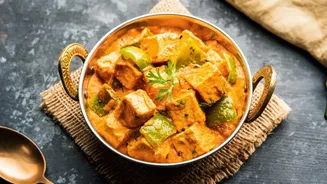
The most prominent example driving this change is 'analogue paneer'. These are products designed to look and feel like traditional paneer but are made using vegetable oil, fats, or other non-milk constituents instead of actual milk. Under the FSSAI's existing standards, paneer is strictly defined as a milk-based product. However, many products sold in the market and used in restaurants are these cheaper, non-dairy analogues, which are then sold to unsuspecting consumers as authentic paneer. The new proposal would restrict the use of the word “paneer” for these products, forcing manufacturers to use a different, more accurate name for items that fall under the 'Analogue in Dairy Context' category. This action follows moves by several states, including Maharashtra and Karnataka, which have already taken steps to ban the sale of analogue paneer due to quality concerns and to protect consumers.
Why This Matters for Your Grocery Bill
This isn't just about paneer. The principle extends to a wide range of products on supermarket shelves. Think of 'fruit drinks' that contain minimal actual fruit juice, or products that use the word 'healthy' in their brand name despite being high in sugar or fat. The FSSAI has previously flagged brands for using misleading terms like “healthy” or “whole wheat” when the ingredient list tells a different story. By enforcing stricter naming conventions, the regulator aims to give consumers the power to make genuinely informed decisions. When a product’s name is a true reflection of its contents, you know exactly what you are paying for, ensuring you get the quality you expect and aren't tricked into buying a lower-grade substitute. This move aims to curb the financial and health-related impact on consumers who are misled.
A Push for Greater Transparency
These naming rules are part of a larger trend of regulatory action designed to hold the food industry accountable. The FSSAI is also working on implementing front-of-pack warning labels (FOPL) – clear, unmissable warnings about high levels of salt, sugar, and fat. One proposal involves a red hexagonal symbol to instantly alert shoppers. This, combined with accurate product naming, creates a two-pronged approach to consumer empowerment. While the industry has been given time to adapt, with transition periods of up to a year for new labelling rules, the direction is clear. The era of ambiguous labels and misleading brand names may be coming to an end, shifting the balance of power back to the consumer.