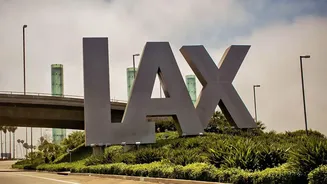






A New Gateway for Los Angeles
The project at the heart of the recognition is the Landside Access Modernization Program (LAMP), a multi-billion-dollar overhaul designed to untangle the infamous gridlock around one of the world's busiest airports. This isn't just one building, but an ecosystem
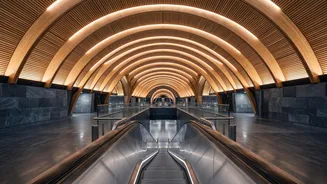
of interconnected facilities, including an Automated People Mover (APM) train, a massive Consolidated Rent-A-Car (ConRAC) center, and new stations linking travelers directly to the city's Metro rail system for the first time. Recently, the LAX/Metro Transit Center, a key piece of this puzzle, was named one of the World's Most Beautiful Stations for 2026 by the prestigious Prix Versailles awards program, which praised its light, airy design and focus on smooth passenger flow. This is just one of several honors the various components of LAMP have received, from sustainability awards to recognition for innovative construction.
What Makes It Different?
The core idea is simple but transformative: move the chaos away from the terminal curb. Instead of a dozen different rental car shuttles and endless streams of ride-share vehicles circling the terminal loop, most of that activity is now centralized. The ConRAC facility, the largest of its kind in the world, consolidates over 20 rental car agencies into one location. From there, and from new dedicated parking and drop-off zones, travelers will hop on the APM, an elevated, electric train—dubbed SkyLink—that will whisk them to their terminals. The free-to-ride APM is designed to operate 24/7, with trains arriving every two minutes during peak hours, covering the 2.25-mile route in about 10 minutes from end to end. This system is projected to eliminate an estimated 3,200 daily shuttle bus trips, significantly reducing vehicle miles traveled and associated emissions.
Sustainability at the Forefront
Beyond just convenience, sustainability has been a central pillar of the project, earning it multiple green certifications. The APM train system itself won an Envision Gold Award for Sustainable Infrastructure. Its 44 electric train cars are built with 98% recyclable materials and utilize regenerative braking to generate a portion of their own power. The ConRAC facility has also achieved LEED Gold certification, thanks in part to a massive 4.8-megawatt solar panel array on its roof and facades, native drought-tolerant landscaping, and a system for using reclaimed water. Together, these features represent a significant commitment to reducing the airport's environmental footprint while modernizing its operations.
Connecting a Car City
Perhaps the most significant change for Angelenos and visitors is the direct link to public transportation. For the first time, travelers can take a city train—the C and K Lines—to the LAX/Metro Transit Center and seamlessly connect to the airport via the APM. For a city notorious for its car-centric culture, this marks a monumental shift, providing a reliable and affordable alternative to driving. The new station is more than just a platform; it's a major hub with a 16-bay bus plaza, a bike hub, and customer service centers, designed to be a true nexus for regional travel. While changing long-standing habits will take time, the infrastructure creates a powerful incentive to leave the car behind, a crucial step as Los Angeles prepares to host major global events like the 2028 Olympics.