






An Offer to Save a Village
Deep in the Soria province of northern Spain lies Arenillas, a hamlet with fewer than 50 permanent residents. Like many communities in what is known as 'España Vaciada' or 'Emptied Spain', it has been fighting a slow decline for decades as residents left
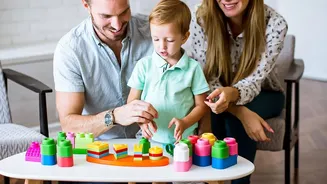
for larger cities. Rather than fade away, the local council and a cultural association devised a radical plan: offer a fully renovated house, completely rent-free, to a family willing to become the new heart of the community. The conditions were specific. The chosen family had to have school-aged children, a crucial requirement to help sustain the free daily transport to a school 20 kilometres away, a service the village funds since its own school closed 30 years ago.
More Than Just a Job
The second condition was the core of the deal: the family must agree to manage the 'bar social', the village's only bar and its primary community hub. In rural Spain, the local bar is far more than a place to get a drink. It is the de facto town square, a multi-generational meeting point, and the center of social life. Its closure can signal the beginning of the end for a small village. The role, therefore, is less about turning a profit and more about providing an essential public service, keeping the community connected and vibrant. In addition to running the bar, the offer included a potential job for a municipal bricklayer to help with village maintenance, ensuring the new residents were fully integrated into the local economy.
Hundreds Vied for a New Beginning
The announcement of the offer in early 2026 quickly captured imaginations far beyond Soria. Within weeks, more than a hundred applications poured in from families dreaming of a different life. The overwhelming response highlights a widespread, post-pandemic yearning for community, simplicity, and a tangible escape from the pressures of urban living. While the headline figure of thousands of applicants might be an exaggeration, the sheer volume of interest for a single home in a remote village speaks volumes. Applicants were required to have valid residency and work permits for Spain, as the small council could not sponsor visas, but the dream was universal.
A New Chapter Begins
Now, a single family has been chosen to embark on this life-changing adventure. While their identity remains private, their arrival marks a moment of profound hope for Arenillas. They represent new life, the sound of children in the village, and the guarantee that the social bar will remain open. Their new life will come with challenges, including limited public transport and the need for a car, but it also offers a rare opportunity to become central figures in a tight-knit community fighting for its future. They are not just moving into a house; they are inheriting a legacy and taking on the responsibility of keeping the village's spirit alive.
A Model for Rural Revival?
The story of Arenillas is a compelling chapter in a much larger book being written across rural Europe. Initiatives like 'Holapueblo' are actively working to connect entrepreneurs and families with depopulated Spanish towns, providing support to generate new businesses and social activity. These programs recognize that simply offering an empty house isn't enough. By linking accommodation to a key community role, as Arenillas has done, villages create a sustainable model for revitalization. It is a small-scale solution to a massive demographic problem, but it provides a powerful, human-centric blueprint for how other struggling communities might also write their own comeback stories.