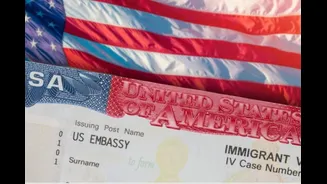









What Exactly Is a US Visitor Visa Bond?
A visitor visa bond is essentially a refundable security deposit that certain visa applicants may be required to pay to the US government. It is not a visa fee. The primary purpose of the bond is to create a financial incentive for the visitor to comply
with the terms of their visa—specifically, to depart the United States before their authorized period of stay expires. If the traveller adheres to all the rules and leaves on time, the bond is refunded. If they overstay or violate other conditions, the government forfeits the entire amount. This measure is intended to combat visa overstays from countries with high rates of non-compliance.
Is This a New Requirement?
The concept of a visa bond isn't entirely new in US immigration law, but its recent application is. A pilot program was launched in August 2025, initially targeting a small number of countries. Based on what the State Department deemed a success in reducing overstays, the pilot program was made permanent effective August 3, 2026. This final rule solidified the bond requirement for B-1 (business) and B-2 (tourist) visa applicants from a specific list of countries.
Does the Visa Bond Apply to Indian Travellers?
This is the crucial question for most readers, and the answer is clear: as of August 2026, India is not on the list of countries subject to the visa bond program. Indian citizens applying for a B-1/B-2 visa with an Indian passport can continue to use the standard application process without the requirement of posting a bond. The program currently applies to 50 other countries, primarily in Africa and Asia, which have been designated based on factors like high visa overstay rates.
How the Program Works for Affected Countries
For travellers from the 50 designated countries, a consular officer determines at the visa interview whether a bond is necessary. If required, the applicant must post a bond of $10,000, $15,000, or $20,000. The $15,000 amount is considered the default. The payment is made online through the official Pay.gov portal after submitting a specific form (I-352). This payment is completely separate from the non-refundable visa application fee that all applicants must pay. According to reports on the pilot program, the bond requirement significantly reduced visa applications and issuances from the targeted countries.
What This Means for Your Visa Application
While Indian citizens are currently exempt from the bond requirement, the policy highlights the US government's increased focus on ensuring 'non-immigrant intent'. This means all applicants, regardless of nationality, must convincingly demonstrate strong ties to their home country—such as employment, family, and property—to prove they will return after their temporary visit. The existence of the bond program for other nations underscores the importance of a well-prepared application. Applicants should focus on clearly and honestly presenting their reasons for travel and their compelling reasons to return to India. The list of countries subject to the bond can be changed by the State Department, so it is always wise to check the latest official rules before applying.