



The Undeniable Allure of Convenience
Let’s be honest: the biggest selling point of pre-cut vegetables is the time they save. On a busy weeknight, the thought of washing, peeling, and chopping a butternut squash or a head of broccoli can be enough to make you reach for a less healthy option.
Pre-cut produce eliminates this prep work, turning a 30-minute task into a 30-second one. This convenience can be a game-changer, making it easier to incorporate vegetables into your diet. It's particularly beneficial for those with limited mobility or dexterity, for whom chopping can be a significant barrier to home cooking. By removing the most labor-intensive step, that bag of pre-chopped onions or spiralized zucchini makes a healthy meal feel achievable, not aspirational.
The Reality of the Price Tag
That convenience, however, comes at a cost. Pre-cut vegetables are almost always more expensive per unit than their whole counterparts. You are essentially paying for the labor, washing, processing, and packaging involved. For some, especially for produce that is difficult to prepare like butternut squash or pineapple, the extra cost is a worthwhile trade for the time and effort saved. For others on a tight budget, the markup can be significant. However, the cost calculation isn't always simple. If buying pre-cut portions prevents you from wasting half a head of cabbage or a large bag of carrots that you can't use in time, it might end up being more economical by reducing food waste. It’s a personal calculation of time versus money.
The Question of Nutrition
A common concern is whether pre-cut vegetables are as nutritious as whole ones. Once a vegetable is cut, it's exposed to oxygen, light, and heat, which can begin to degrade certain nutrients, particularly water-soluble vitamins like Vitamin C. Studies have shown that vitamin C levels can be lower in fresh-cut produce compared to whole versions, with reductions varying by vegetable. However, for most people, this loss is considered negligible, and the nutritional benefit of eating vegetables, pre-cut or not, far outweighs any minor nutrient degradation. As long as the vegetables are fresh and have been properly refrigerated, they remain a healthy and fiber-rich option. Experts agree it's much better to eat pre-cut vegetables than no vegetables at all.
Food Safety and Smart Handling
Cutting produce breaks its natural protective skin, creating more surface area for bacteria to grow. Pre-packaged salads and vegetables go through more handling, which introduces a slightly higher risk of contamination from pathogens like Salmonella, Listeria, or E. coli. While the overall risk is low for most people, it's a valid concern, especially for pregnant individuals, the elderly, or those with compromised immune systems. To stay safe, always buy pre-cut produce from the refrigerated section, check for a fresh 'use-by' date, and ensure the packaging is intact. Although many bags are labeled 'pre-washed', giving them an extra rinse at home before eating is a simple, added precaution. Store them properly in a cold fridge (below 40°F or 4°C) and consume them quickly.
Making the Most of Your Mix
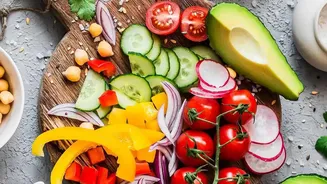
To get the best value and longest life from your pre-cut veggies, a little strategy helps. When you bring them home, you can extend their freshness by ensuring they stay dry. Placing a paper towel inside the bag or container of leafy greens or other chopped vegetables can absorb excess moisture that leads to sliminess and spoilage. Most pre-cut vegetables like broccoli, carrots, and peppers will last for about 3-4 days when stored correctly in an airtight or vented container in the fridge. Don't just think of them for salads. A bag of mixed chopped vegetables is a perfect starter for a quick stir-fry, a hearty soup, or a roasted vegetable side dish. A bag of pre-shredded coleslaw mix can be sautéed with garlic and ginger, while diced onions, celery, and carrots (a mirepoix mix) can form the base for countless sauces and stews.