




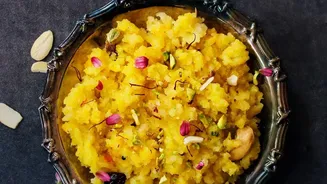
A Sweet Tradition for Sawan
The month of Sawan, dedicated to Lord Shiva, is a time of devotion and fasting for many Hindus across India. Devotees often follow a 'satvik' diet, abstaining from grains, onions, and garlic. Potatoes are a staple during this period because they are filling,
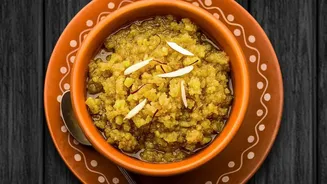
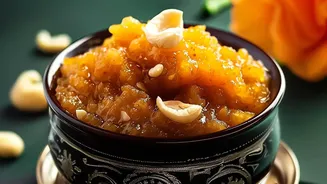
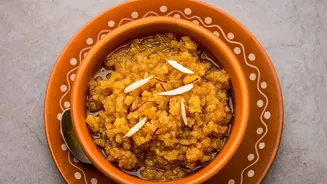
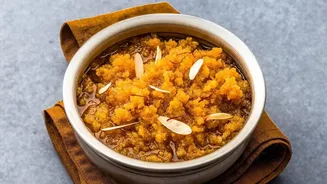
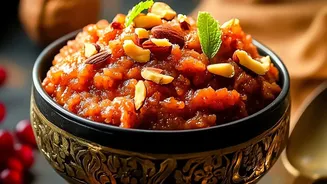
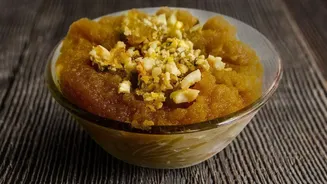
versatile, and considered permissible for fasting. Among the many potato-based dishes, Aloo ka Halwa holds a special place. It is a traditional sweet, particularly popular in Uttar Pradesh, known for being quick to prepare and deeply satisfying. This warm, ghee-laden pudding provides a much-needed energy boost while adhering to the dietary customs of the holy month, making it a beloved treat to conclude a day of fasting.
Gathering Your Simple Ingredients
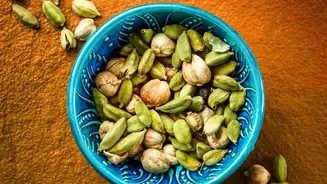
The beauty of this halwa lies in its simplicity and the use of a few core ingredients. You will need potatoes, ghee, sugar, milk, and the stars of our dish: cardamom and nuts. For the best results, use starchy potatoes, which give the halwa a creamy texture. Ghee, or clarified butter, is non-negotiable; its rich, nutty aroma is central to the dish's flavour. For sweetness, regular sugar works perfectly, though some recipes also use jaggery or condensed milk for a different depth of flavour. A splash of milk helps create a smooth consistency. Finally, ground green cardamom provides its signature fragrance, while a mix of chopped almonds, cashews, and pistachios adds a delightful crunch.
The Secret to a Lump-Free Texture
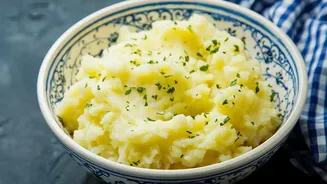
The first step to a perfect aloo halwa is preparing the potatoes. Boil them until they are completely tender. Once they are cool enough to handle, peel them. Here lies a key tip for achieving a silky-smooth finish: instead of mashing, grate the boiled potatoes. Grating ensures there are no hidden lumps, which can be difficult to break down later in the pan. This simple but crucial step guarantees a melt-in-your-mouth texture, transforming the humble potato into an elegant dessert. Mashing with a fork is also an option, but grating provides a more consistent and superior result.
Cooking the Halwa to Perfection
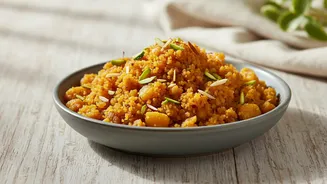
Begin by heating a generous amount of ghee in a heavy-bottomed pan. Once the ghee is warm, add the grated potatoes. This is the most crucial stage: roasting the potatoes. Sauté the potatoes on a low to medium flame, stirring continuously. Be patient, as this process can take 10 to 15 minutes. You'll know it's ready when the potato mixture turns a light golden brown, becomes fragrant, and starts to release the ghee from the sides of the pan. Once roasted, add the sugar. The mixture will loosen as the sugar melts, but continue to stir until it thickens again. Next, pour in the milk and cook until the halwa comes together as a single mass, pulling away from the sides of the pan.
The Finishing Touch: Cardamom and Nuts
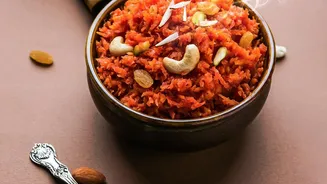
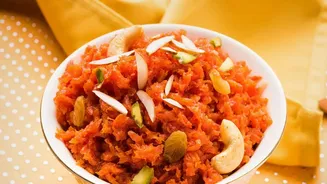
With the halwa cooked to the right consistency, it's time for the final flourish. Turn off the heat and stir in freshly ground cardamom powder for a beautiful aroma that cuts through the richness of the ghee and sugar. This is also the moment to introduce the nuts. While you can add them raw, lightly roasting the chopped almonds, pistachios, and cashews in a separate teaspoon of ghee until they are golden will elevate their flavour and add an extra layer of crunch. Fold most of the nuts into the halwa, saving some for garnishing the top before serving. This final step adds the texture and fragrance that make the halwa truly special.