






More Than Just a Stroll
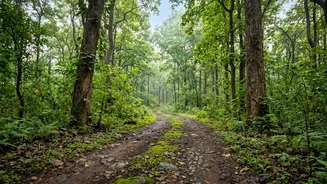
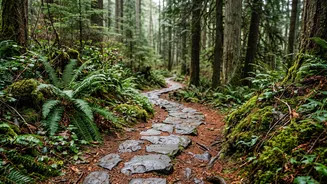
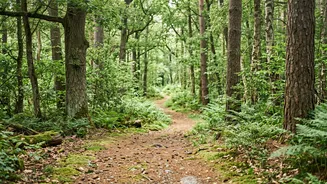
While walking on a city pavement or a treadmill is excellent exercise, hiking on a nature trail offers a completely different experience. The terrain is varied and unpredictable—soft earth, gnarled roots, and gentle inclines demand your attention. Each
step requires micro-adjustments for balance, engaging your core and stabilizer muscles in ways that a flat surface simply can't. This isn't about speed; in fact, you might move more slowly than on a city walk. The benefit comes from the sustained, dynamic effort and the constant engagement of both mind and body as you navigate the path ahead. This turns a simple walk into a full-body workout that builds strength and endurance without the high impact of running.
A Boost for Your Mental Well-being
The psychological benefits of spending time in nature are just as significant as the physical ones. The Japanese practice of 'Shinrin-yoku', or 'forest bathing', is built on this very idea. It involves immersing yourself in a forest atmosphere and mindfully engaging your senses. Studies have shown that even a short time spent in a natural green environment can reduce stress by lowering cortisol levels, calm anxiety, and lift your mood. The natural colours, sounds, and smells of the outdoors have a therapeutic effect, helping to quiet the mental chatter of daily life, reduce feelings of fatigue, and improve focus. Leaving technology behind and simply being present on the trail can lead to improved sleep quality and a greater sense of overall well-being.
A Full-Body Workout in Disguise
Hiking is a fantastic combination of cardio and strength training. The continuous movement, especially on inclines, elevates your heart rate, improving cardiovascular health and circulation. Navigating uneven ground strengthens your leg muscles—quads, hamstrings, and calves—as well as your glutes and core. Descending a hill works these same muscles differently, helping to build comprehensive strength. Furthermore, this type of weight-bearing exercise is crucial for improving bone density. It’s an effective way to burn calories and manage weight while being gentle on your joints compared to high-impact sports.
Getting Started on Indian Trails
The beauty of hiking is its accessibility. You don’t need to be an elite athlete to start. For those in and around India's major cities, nature is closer than you think. Near Mumbai, easy treks like Lohagad Fort, Karnala, and Korigad offer a perfect introduction for beginners, especially during the monsoon and winter months. Around Bengaluru, the trails at Nandi Hills and Makalidurga provide stunning sunrise views and are suitable for day trips. Near Delhi, the Aravalli Biodiversity Park and trails in the nearby Himalayan foothills like the Binsar Trek offer a refreshing escape. Start with a well-marked, easy trail. All you need is a comfortable pair of shoes with good grip, a small backpack with water, some snacks, and sun protection. Layering your clothing is always a good idea, as temperatures can change.