

The Moon’s Dusty Blanket
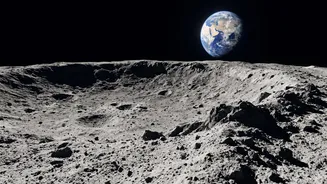
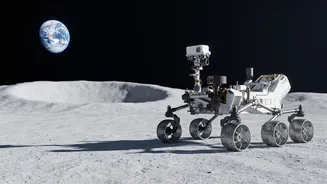
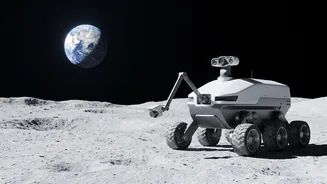
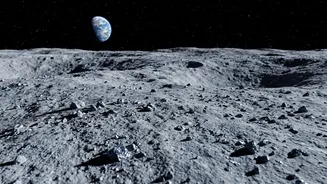
The entire lunar surface is covered in a layer of crushed rock and fine dust called regolith. This isn't soil as we know it on Earth, which is rich with organic matter and moisture. Instead, lunar regolith is the product of billions of years of relentless
bombardment by meteoroids of all sizes. For decades, scientists have understood a process called “impact gardening,” where countless small micrometeoroids strike the Moon, tilling its upper layers. This was thought to be a relatively slow and shallow process, like lightly raking the top of a garden. The conventional wisdom held that features like the Apollo astronauts' footprints would remain preserved for millions of years in this gently disturbed dust.
A Faster, More Violent Garden
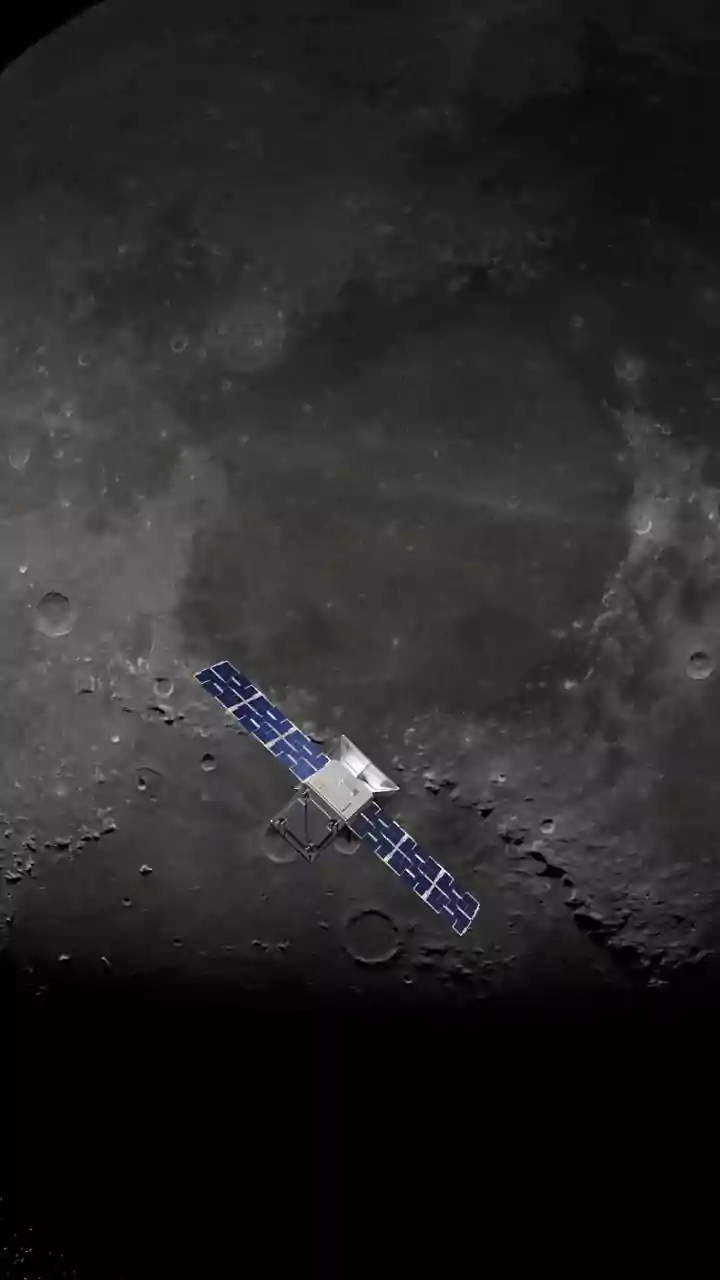
However, data from NASA's Lunar Reconnaissance Orbiter (LRO), which has been mapping the Moon since 2009, has forced a major revision of this timeline. By comparing images taken over several years, scientists have spotted hundreds of new craters, allowing them to calculate the current rate of impacts. The findings are startling: the top inch of lunar soil is being completely overturned every 80,000 years or so, a rate more than 100 times faster than previously thought. This means the iconic Apollo footprints will likely be erased in mere tens of thousands of years, a cosmic blink of an eye. This faster churn rate suggests the Moon is a much more active and turbulent environment than the tranquil world we see in the night sky.
The Mega-Plows of Lunar History
While small impacts act like trowels, the true sculptors of the lunar landscape were giant, ancient collisions. Using powerful computer simulations, scientists can now model the immense basin-forming impacts that occurred early in the Moon's history. These weren't just gardening; they were planetary-scale plowing events. A single massive impact could hurl ejecta across vast distances, blanketing entire regions with material excavated from deep within the lunar crust. This process of “mega-gardening” means the regolith in any given location is not just a record of local geology. Instead, it’s a complex, jumbled library containing material from hundreds or even thousands of kilometers away, and from depths that would be otherwise unreachable.
Clues in a Fresh Crater
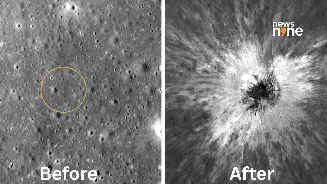
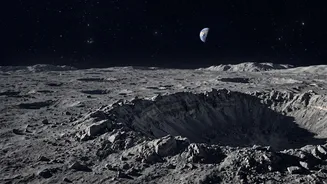
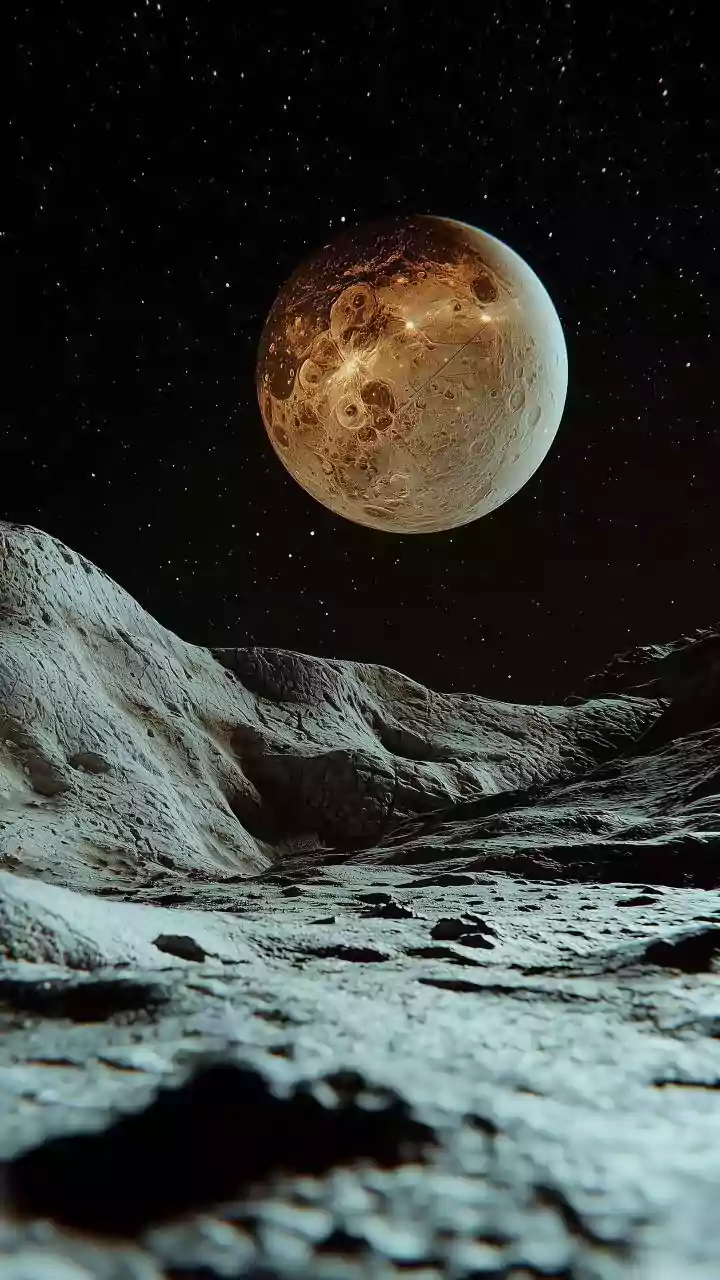
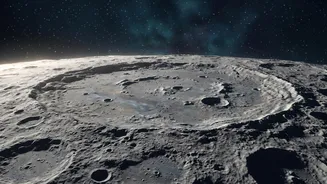
The theories derived from simulations are now being bolstered by real-world observations. Recently, scientists identified a massive new crater, larger than the Roman Colosseum, that was formed by an impact in 2024. This rare, large-scale event, which went undetected for over a year, provided a perfect natural experiment. The impact was powerful enough to churn the lunar surface across a diameter of more than 66 miles (100 kilometers). Studying the distribution of its ejecta—the dust and rock thrown from the crater—helps scientists refine their models of how material is transported across the Moon. It offers a tangible glimpse into the violent processes that have shaped the regolith over eons.
A Treasure Map for Artemis
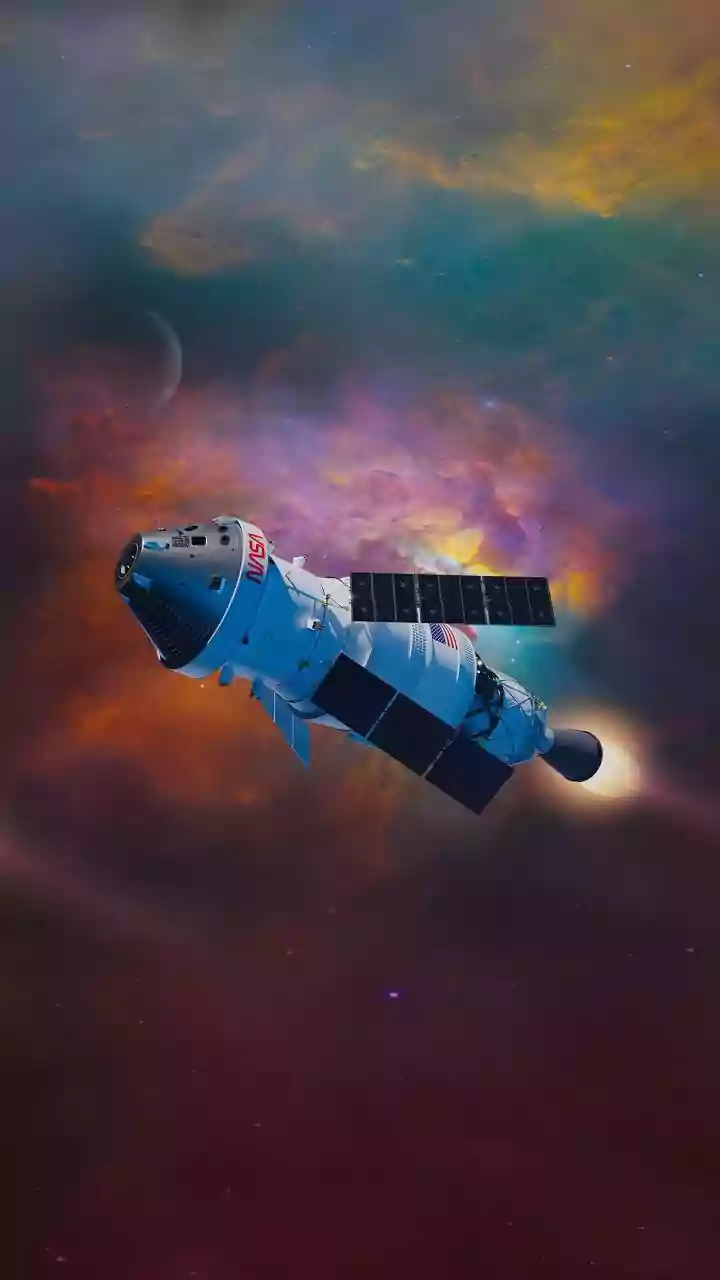
This new understanding of a deeply churned Moon has profound implications for the future of lunar exploration, particularly for NASA's Artemis program. On one hand, it’s a scientific windfall. Astronauts won't need to drill deep to access ancient materials; samples collected from the surface could contain exotic fragments from the lunar mantle or the far side of the Moon. This turns every scoop of regolith into a potential geological treasure chest. On the other hand, it presents a challenge. The same process that brings deep history to the surface also poses a risk to future lunar bases, which will need to be hardened against the constant rain of small projectiles and the occasional larger impact. Understanding this dynamic environment is critical for ensuring the safety and success of a long-term human presence on the Moon.