





A New Space Race
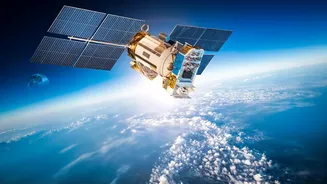
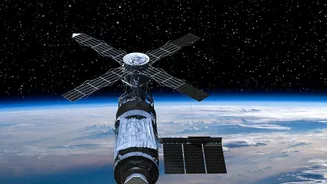
For decades, Earth observation was the exclusive domain of government space agencies like NASA and ISRO. Their large, expensive satellites provided invaluable data, but launches were infrequent and access was limited. Today, the landscape has been transformed
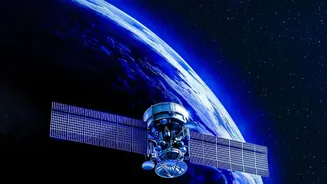
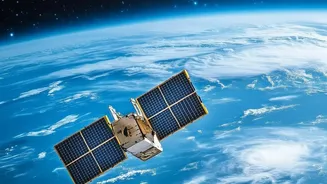
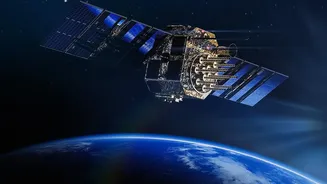
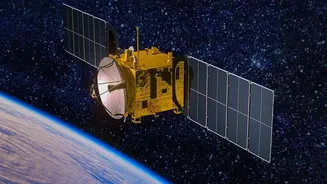
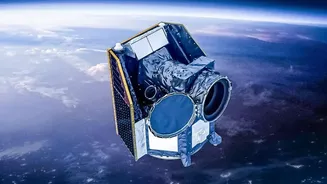
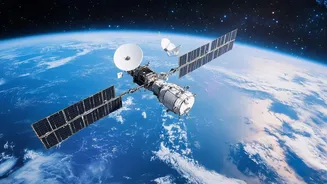
by a new space race, this one driven by private companies. Firms are launching vast constellations of small satellites, or 'smallsats', into low-Earth orbit. This has dramatically increased the frequency and resolution of imagery available, creating a continuous, high-definition feed of the entire globe. This shift from scarce, government-controlled data to abundant, commercially available information marks a fundamental change in how we see and interact with our world. This new commercial ecosystem is augmenting, and in some cases surpassing, the capabilities of national agencies, offering data that is not just powerful but also available for purchase.
AI: The Brain Behind the Eyes
This torrent of satellite data—petabytes of it daily—would be useless without a way to analyse it. This is where artificial intelligence comes in. AI and machine learning algorithms are the indispensable brains of this new observation network. They sift through millions of images to detect patterns, spot anomalies, and make predictions at a speed and scale no human could ever match. Instead of analysts comparing photos, AI can automatically track deforestation in the Amazon, monitor the health of every farm field in a region, detect illegal construction in expanding cities, or count the number of ships in a port to gauge economic activity. Some new satellites even have AI processors on board, allowing them to analyse images in real-time and send back only the crucial insights, saving time and bandwidth.
From Pixels to Practical Insights
The applications of this technology are already transforming industries. In agriculture, farmers use satellite data to apply water and fertiliser with precision, boosting yields and reducing waste. Insurance companies can assess damage from floods or wildfires almost instantly. Investment firms analyse retail parking lots or oil storage tanks to predict company earnings and market trends. For urban planners, this data helps manage city growth and improve infrastructure. During natural disasters, real-time imagery is critical for emergency response teams to understand the situation on the ground and save lives. This technology provides a powerful evidence base for everything from corporate sustainability reporting to monitoring infrastructure for risks.
A Frontier Without Rules
This powerful new capability comes with a host of complex governance questions that existing laws are ill-equipped to handle. Who owns the data captured by a private satellite as it passes over a sovereign nation? International space law, largely written during the Cold War, holds nations responsible for the activities of their private companies in space. However, the sheer volume and border-crossing nature of these new constellations create new challenges. There are major concerns about privacy and surveillance, as high-resolution imagery becomes more widespread. Furthermore, there are national security risks; what prevents this data from being used by adversaries? The very line between civilian and military assets is blurring, creating a complex new geopolitical landscape where a commercial service can become a critical piece of conflict infrastructure.
The Search for Global Governance
The international community is beginning to grapple with these issues. The United Nations Committee on the Peaceful Uses of Outer Space (COPUOS) is a key forum for these discussions, but progress is slow. There are calls to update international treaties to address the realities of a crowded, commercialised low-Earth orbit. Key questions remain unanswered: How do we ensure data is not used for malicious purposes? How can we prevent a few dominant companies from controlling this vital global resource? And how do we balance the immense commercial and social benefits with the clear risks? Establishing clear, globally accepted rules of the road is crucial for ensuring the long-term sustainability and safety of activities in space.