








As nations pursue ambitious climate goals, the International Atomic Energy Agency (IAEA) is highlighting nuclear power's renewed importance. But what does this mean for India, a nation balancing immense energy needs with a net-zero future?
A Growing Nuclear Future
The conversation
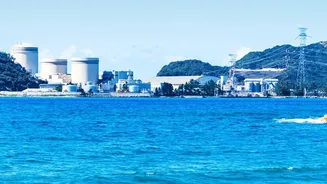
around nuclear power is shifting globally. For the sixth consecutive year, the IAEA has increased its projections for nuclear energy growth. Its latest 'high case' scenario suggests global nuclear capacity could more than triple by 2060. This renewed interest isn't just about cutting carbon; it's driven by a growing need for reliable energy, heightened by geopolitical instability and the massive electricity demands of data centres and AI. In 2025, over 400 reactors supplied about a quarter of the world's low-carbon electricity. With dozens more under construction, the IAEA's projections reflect a world re-evaluating nuclear power's role in its energy mix.
What is 'Firm Low-Carbon' Power?
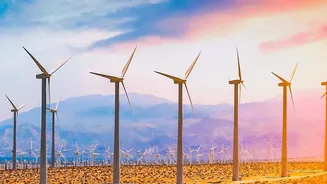
To understand nuclear's comeback, one must grasp the concept of 'firm' power. While solar and wind are vital low-carbon sources, they are 'variable'—they don't generate power when the sun isn't shining or the wind isn't blowing. 'Firm' power sources are those that can be dispatched on demand, 24/7, regardless of weather conditions. Historically, this role was filled by fossil fuels like coal and natural gas. The challenge for a decarbonised grid is finding 'firm low-carbon' alternatives. Nuclear power is a leading candidate, alongside technologies like geothermal energy and fossil fuels with carbon capture. It provides the constant, stable baseload power necessary to keep the lights on and support a grid with a high share of renewables.
India's Ambitious Nuclear Roadmap
For India, balancing development with decarbonisation is a monumental task. The nation aims to increase its nuclear capacity from around 9 GW today to 22.48 GW by 2031-32, with a long-term goal of 100 GW by 2047 as part of its Nuclear Energy Mission. This expansion is crucial for meeting the country's pledge to get 50% of its installed electricity capacity from non-fossil fuel sources by 2030 and achieve net-zero emissions by 2070. The government is backing this push with significant investment in new reactors, including a standardised rollout of indigenous 700 MWe Pressurised Heavy Water Reactors (PHWRs) and the development of Small Modular Reactors (SMRs). The recent criticality of the Prototype Fast Breeder Reactor at Kalpakkam in April 2026 is a major step in India’s three-stage nuclear programme, designed to eventually use the country's abundant thorium reserves.
Overcoming Significant Hurdles
Despite the ambitious targets, the path for nuclear expansion in India is not without challenges. High upfront capital costs, long construction timelines, and securing financing remain significant barriers. Public perception, shaped by concerns over safety and nuclear waste management, often leads to opposition and land acquisition delays for new projects. India also faces the challenge of limited domestic uranium reserves, making it dependent on international supplies and agreements. Furthermore, building a robust supply chain and a skilled workforce to support a tenfold increase in capacity by 2047 requires a concerted industrial and policy effort that is only just beginning.