









What Exactly Is a Portfolio Career?
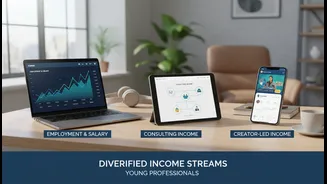
A portfolio career isn't just about having a side hustle; it's a deliberate professional strategy. It involves earning income from several different streams of work simultaneously. Instead of one full-time job, a professional might combine part-time consulting,
freelance projects, a small business, and maybe even teaching. Think of a graphic designer who also manages social media for a few clients and sells prints online. The key is the intentional diversification of skills and income. This model, once seen as the domain of senior executives dabbling in board seats after retirement, is now being embraced by professionals at all stages, especially India's younger workforce.
Why Is This Happening Now?
Several forces are driving this shift. Economic uncertainty and waves of restructuring have made relying on a single employer feel riskier. A portfolio of clients can offer more financial stability than a single payroll. Technology and AI are also major catalysts, making it easier than ever to manage projects, find clients, and work from anywhere. But the biggest driver is a change in mindset. Professionals, particularly Gen Z and millennials, are redefining success. They increasingly prioritise flexibility, autonomy, meaningful work, and a better work-life balance over the prestige of a job title. In fact, a recent Deloitte survey found that only a small percentage of Gen Z and millennials see achieving a leadership position as their primary career goal.
The Promise of a Diversified Path
The benefits of a portfolio career go beyond a diversified income. It offers immense flexibility in how, when, and where you work. This autonomy can lead to higher job satisfaction and a greater sense of control over one's life. By working across different industries and projects, portfolio professionals build a wide array of skills, making them more resilient and marketable in a fast-changing job market. In India, where the gig workforce is projected to reach 23.5 million by 2029-30, this trend is becoming a significant part of the economy. LinkedIn data shows a 104% year-on-year increase in Indian members adding "Founder" to their profiles, highlighting a boom in entrepreneurial and independent work.
The Unspoken Challenges
However, the portfolio path is not without its difficulties. The freedom it offers comes with the loss of traditional safety nets. There are no employer-provided health benefits, paid time off, or retirement contributions. Income can be unpredictable, with periods of feast and famine. The administrative burden is also significant; you are your own HR, finance, and marketing department, responsible for everything from filing taxes to constantly finding new work. It requires immense self-discipline, time management, and a strong personal brand to succeed. The potential for burnout is high if boundaries aren't carefully managed, and the isolation of working alone can be a major challenge for some.
A New Definition of Ambition
Ultimately, the rise of portfolio work signals a fundamental rethinking of what it means to be ambitious. The goal is no longer just to climb higher, but to build wider. It's a shift from a vertical, linear progression to a more horizontal, resilient, and personalised model of success. Ambition isn't disappearing; it's becoming more holistic, incorporating values like purpose, learning, and well-being alongside financial gain. For a new generation of Indian professionals, success is not about reaching the top of someone else's ladder, but about building a sturdy, multifaceted platform of their own.