






Why Monsoon Humidity Challenges Your Skin
As the rains arrive, humidity levels soar, creating a uniquely challenging environment for your skin. This constant dampness in the air signals your sebaceous glands to produce more oil. The result is a perpetually greasy feeling, but the issue runs deeper
than just surface shine. The excess oil, combined with sweat and environmental pollutants, creates a perfect storm for clogged pores. This sticky film traps dead skin cells and provides an ideal breeding ground for bacteria and fungi, leading to a noticeable increase in blackheads, whiteheads, acne, and even fungal infections. The skin's natural protective barrier can also become compromised, making it more sensitive and prone to irritation, redness, and flare-ups of conditions like eczema.
The Rise of the Seed-Based Face Pack
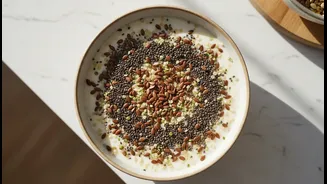
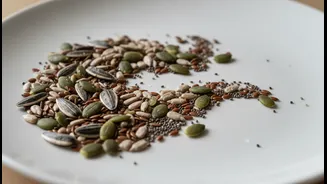
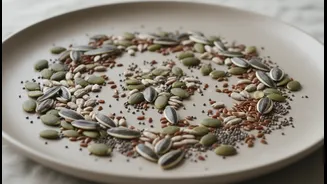
Enter the seed-based face pack, a trend celebrated for its natural, pantry-friendly appeal. Ingredients like flax, chia, and lotus seeds are at the forefront. Flax and chia seeds are famous for creating a gel-like consistency when soaked, a property that advocates claim provides deep hydration. These seeds are rich in omega-3 fatty acids, which have anti-inflammatory properties, and antioxidants that help combat environmental damage. Lotus seeds, known as makhana, are also lauded for their anti-inflammatory benefits and a purported ability to help regulate sebum and improve skin elasticity. The promise is alluring: a simple, natural solution to hydrate, calm, and brighten monsoon-stressed skin. But does this promise hold up under dermatological scrutiny?
Myth: A Seed Pack Is Your Monsoon Saviour
While ingredients like flax and chia seeds do offer some benefits, they are not the essential cure-all for monsoon skin problems that social media might suggest. Experts caution that topical application doesn't always translate to significant, lasting change. While the gel from these seeds can provide temporary surface hydration, it's not a substitute for a well-formulated moisturiser. Furthermore, for those with oily or acne-prone skin, the very oils in these seeds could potentially exacerbate breakouts if not used correctly. Allergic reactions and skin irritation are also possible, making a patch test crucial before applying any homemade concoction to your face. The idea that these masks are a "monsoon essential" is a myth; they are, at best, a supplementary treatment, not a foundational one.
Reality: The Skincare Routine That Actually Works
Dermatologists agree that combating monsoon skin issues requires a consistent, targeted approach rather than a single miracle product. The real essentials are about balance and protection. Start with a gentle, pH-balanced gel or foaming cleanser to remove excess oil and grime without stripping the skin. Over-washing can backfire, causing the skin to produce even more oil. The second non-negotiable is a lightweight, oil-free, non-comedogenic moisturiser. Skipping this step is a common mistake; a hydrated skin barrier is less likely to overproduce oil. Look for ingredients like hyaluronic acid to provide hydration without greasiness. Finally, sunscreen is a must, even on cloudy days. UV rays penetrate clouds and can worsen pigmentation and post-acne marks. Opt for a gel-based, broad-spectrum sunscreen with at least SPF 30.
The Verdict: Nice-to-Have, Not a Necessity
So, where do seed-based face packs fit in? Think of them as an occasional, supplementary treat rather than a daily necessity. They can provide a temporary feeling of hydration and a calming, spa-like experience. For those with dry skin, the hydrating properties of a flax or chia mask might offer some relief. However, they cannot replace the core, evidence-backed pillars of a good monsoon skincare routine. For managing persistent acne, oiliness, and fungal infections that are common in this season, relying on a DIY mask is not enough. Instead, consider incorporating active ingredients like salicylic acid or niacinamide into your routine through cleansers or toners to control oil and unclog pores. A consistent daily regimen of cleansing, moisturising, and applying sunscreen will always be more effective than chasing the latest viral skincare trend.