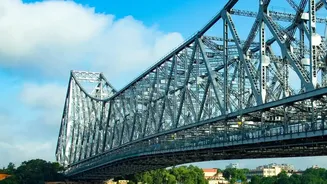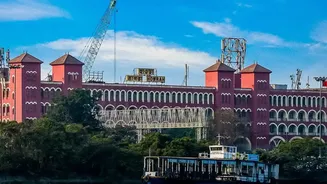



Kolkata carries many titles, but none is as evocative as the 'London of India'. This nickname isn't just a casual comparison; it's rooted in a deep, complex history written in brick and marble across the city's grand avenues and squares.
The 'Second City' of an Empire
To understand
the nickname, one must travel back to when Kolkata, then Calcutta, was the epicentre of British power in Asia. From 1772 until 1911, it served as the capital of British India, a bustling hub of commerce, administration, and culture. The British East India Company established its headquarters here, and as its influence grew, so did the city's stature. The British deliberately shaped its urban character to mirror their own capital, creating a 'home away from home' on the banks of the Hooghly River, which was to them what the Thames was to London. This ambition wasn't just about comfort; it was a statement of power, transforming a trading post into the second city of the British Empire.
Dalhousie Square: A Piece of London
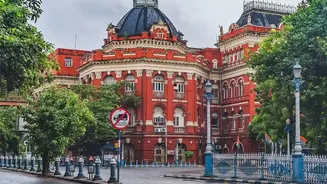
The heart of this colonial vision was Dalhousie Square, now known as B.B.D. Bagh. This area was the administrative and financial nucleus, designed to impress and command. Surrounding a central water body, the Lal Dighi, the British erected a stunning ensemble of buildings that drew heavily on European architectural styles. The magnificent General Post Office (GPO), with its towering dome and Corinthian columns, and the stately Writers' Building are prime examples. The Writers' Building, originally a residence for junior clerks or 'writers' of the East India Company, was expanded and given a French Renaissance makeover to become the seat of government. Walking through this area today still feels like stepping into a different era, with a density of colonial heritage structures unlike anywhere else.
An Architectural Grand Tour
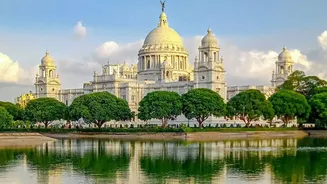
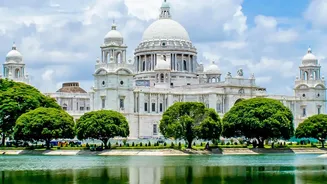
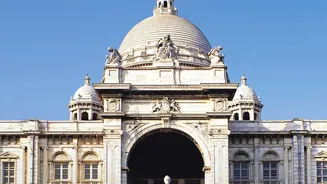
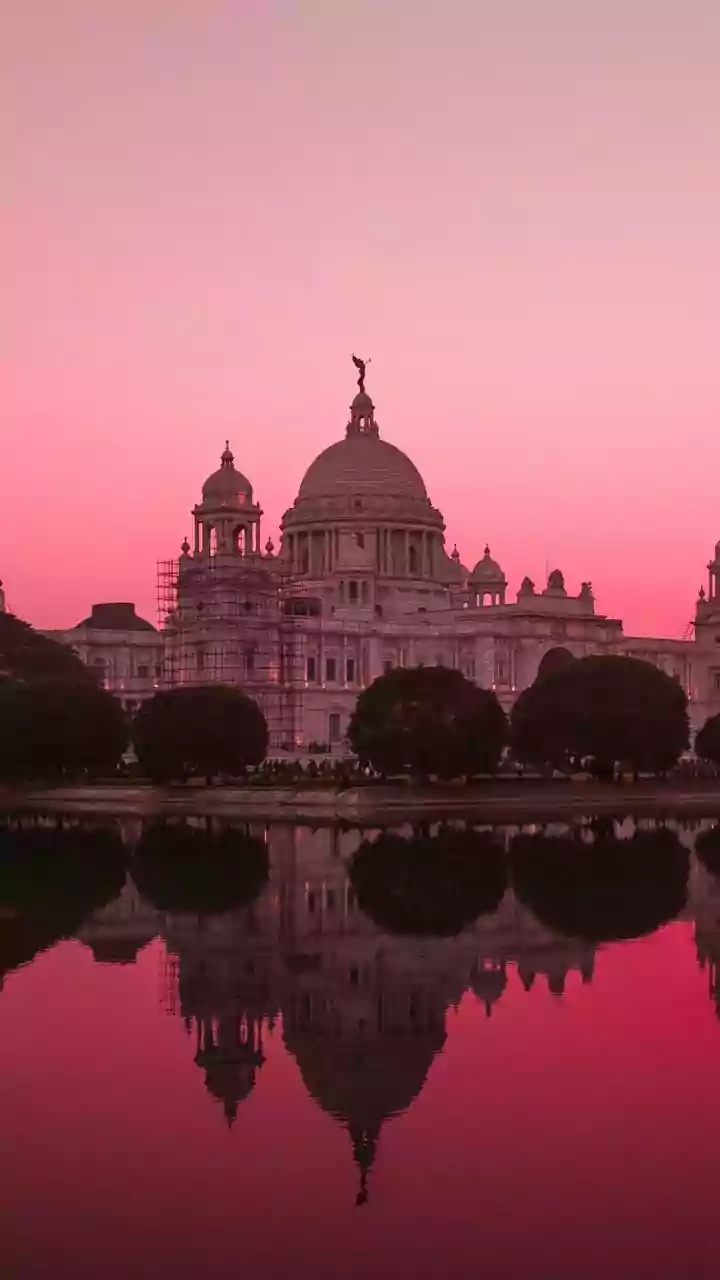
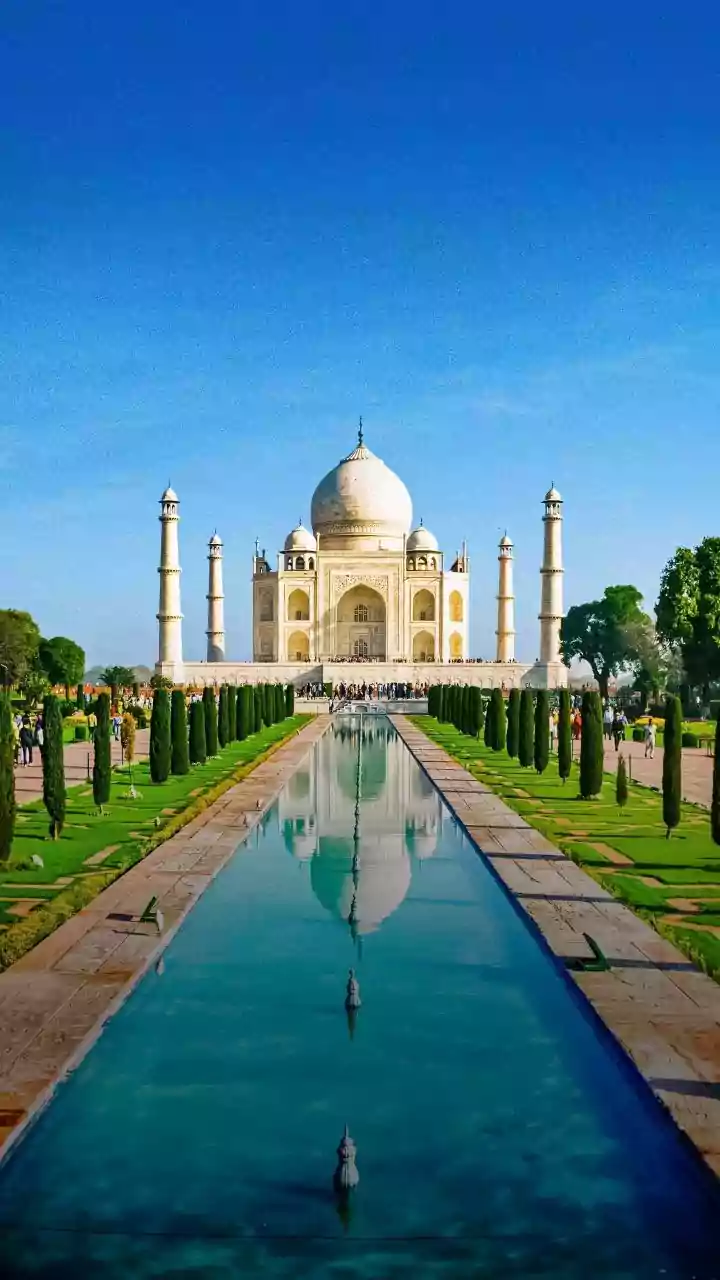
Beyond the administrative core, Kolkata is dotted with architectural marvels that cemented its London-esque reputation. The most iconic is the Victoria Memorial, a breathtaking monument of white Makrana marble built to honour Queen Victoria. Its design is a masterful blend of British and Mughal styles, often described as Indo-Saracenic, and was intentionally designed to echo the grandeur of the Taj Mahal. Then there is St. Paul's Cathedral, a stunning example of Gothic Revival architecture, which was built to serve the growing European community. These were not just functional buildings; they were grand, symbolic structures meant to project an image of imperial permanence and sophistication. A mix of Neoclassical, Victorian, and Indo-Gothic styles can be seen across the city, from the Calcutta High Court to the Raj Bhavan, the former residence of the Governor-General.
A Complicated Legacy
While the nickname 'London of India' speaks to architectural splendour, it also carries a complicated legacy. These buildings were symbols of colonial authority, built at the expense of the native population. The very name B.B.D. Bagh, which replaced Dalhousie Square, commemorates three Indian freedom fighters—Benoy, Badal, and Dinesh—who stormed the Writers' Building in 1930. Today, Kolkata has a nuanced relationship with its colonial past. The architecture is a source of pride and a major tourist draw, but it is also a reminder of a period of subjugation. Preservation efforts are ongoing, as many of these structures face threats from neglect and urban development. These buildings are no longer just symbols of empire; they are an inseparable part of Kolkata's own layered identity, witnesses to its entire modern history.