

The Enduring Historical Connection
The bond between India and Uzbekistan is etched into the very fabric of our history. It was from the Fergana Valley in modern-day Uzbekistan that Babur, the founder of the Mughal Empire, began his journey to India. This connection created a cultural and architectural
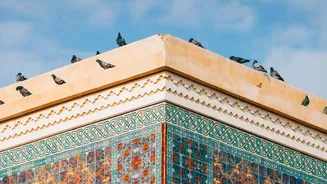
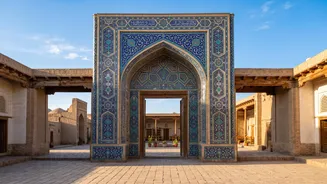
dialogue that shaped Northern India for centuries. The intricate tilework, majestic domes, and grand layouts seen in Samarkand and Bukhara feel like a direct architectural ancestor to the Mughal monuments we cherish. But the ties run even deeper, back to the ancient Silk Road, a bustling artery of trade that saw goods, ideas, and philosophies exchanged between our regions for centuries. This shared past creates an immediate sense of familiarity and wonder for Indian visitors, a feeling of walking through a history that is intrinsically linked to our own.
The Modern Ease of Travel
For years, the allure of the Silk Road was tempered by logistical hurdles. That is rapidly changing. The 'next phase' of Uzbekistan's story is one of accessibility. The country has simplified its visa process, with a straightforward online e-visa system available for Indian citizens. Recent bilateral talks in August 2026 culminated in the announcement of a planned 30-day visa-free regime for Indians, a move set to eliminate one of the biggest barriers to travel. While travellers should await the official start date, the intent is clear: Uzbekistan is rolling out the welcome mat. This is complemented by a significant increase in air connectivity. Airlines like Uzbekistan Airways, Air India, and Centrum Air now operate numerous direct flights from Delhi, Mumbai, and, most recently, Hyderabad, linking South India directly to Tashkent. This combination of easier visa access and more flights makes a spontaneous long weekend or a planned cultural deep-dive more feasible than ever before.
A Familiar and Delectable Culinary Journey
One of the most delightful discoveries for Indian travellers is the Uzbek dastarkhan (dining table). The cuisine is a delicious echo of our own, a culinary branch from the same historical tree. The star of the show is Plov, a fragrant rice pilaf cooked with meat and carrots, which will instantly remind anyone of a good Pulao. Then there are the freshly baked, sesame-studded flatbreads (Non), succulent kebabs (Shashlik), and the ubiquitous Samsa—a baked pastry filled with meat or pumpkin that is a direct cousin to our Samosa. These shared flavours, rooted in a common Central Asian and Persianate heritage, make every meal feel both new and comfortingly familiar, providing a delicious and accessible entry point into the local culture.
What 'The Next Phase' Truly Means
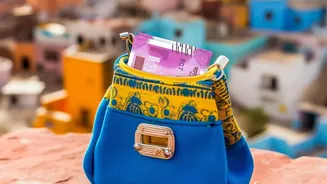
The next chapter for Uzbekistan and Indian travellers is being actively written. Following high-level talks in August 2026, the two nations signed a Tourism Cooperation Programme for 2026-2028. This isn't just a diplomatic formality; it signals a strategic push that includes plans for joint cultural weeks, film festivals, and new tourist routes designed to deepen engagement. There's also a focus on modern convenience. An agreement is in place to enable the use of India's UPI payment system in Uzbekistan, which would be a game-changer for tourists. Beyond policy, the country is actively working to attract visitors, with a national goal of reaching 20 million international tourists by 2030. This focus means improved infrastructure, more English-speaking guides, and a tourism ecosystem that is becoming more attuned to the needs of international visitors.
More Than History: A Vibrant, Affordable Present
While the magnificent, UNESCO-listed cities of Samarkand, Bukhara, and Khiva are the main draws, modern Uzbekistan offers much more. Tashkent, the capital, is a clean, modern metropolis with a famously ornate metro system. The country is known for being remarkably safe, and its people are renowned for their warmth and hospitality. Perhaps most importantly, in a world of rising travel costs, Uzbekistan remains incredibly affordable. A trip to explore its legendary Silk Road cities can often be done for a fraction of the cost of a similar heritage-focused trip to Europe, offering unparalleled value. This combination of ancient wonder, modern comfort, safety, and affordability is why Uzbekistan's appeal continues to grow, attracting not just history buffs but families and curious explorers from across India.