



An Ocean World Hiding in Plain Sight
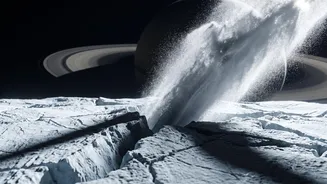
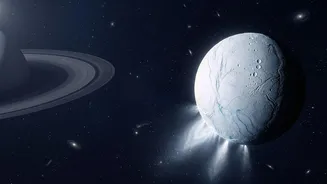
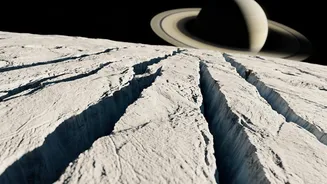
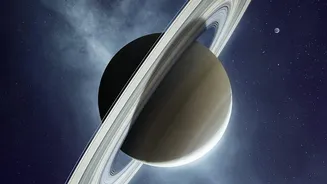
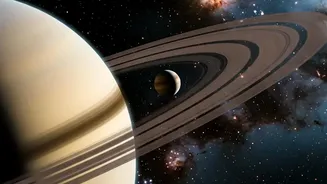
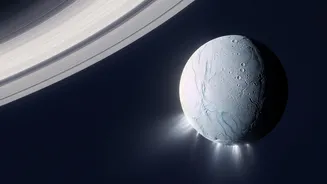
For years, Enceladus was just another of Saturn's many moons. That changed when NASA's Cassini spacecraft flew by and witnessed something astonishing: giant plumes of water vapor and ice grains erupting from cracks in its south pole. These geysers, blasting
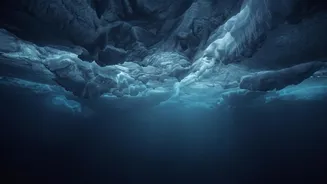
hundreds of miles into space, were direct evidence of a vast, liquid water ocean hidden beneath the moon's icy shell. This discovery instantly catapulted Enceladus to the top of the list for worlds that could potentially harbour life. Unlike planets that must be in a star's narrow "habitable zone" for liquid water to exist, these internal ocean worlds are heated from within, likely by the gravitational tug-of-war with their parent planet. This means the number of potentially habitable worlds in the galaxy could be far greater than we once imagined.
The Essential Ingredients for Life
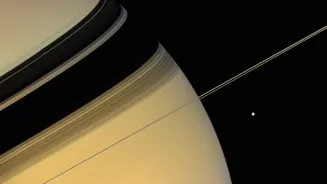
Astrobiologists have a basic shopping list for life as we know it: liquid water, an energy source, and the right chemical elements. Enceladus has the water in abundance. The energy is believed to come from hydrothermal vents on the ocean floor, similar to those on Earth that teem with life. The final part is the chemical cocktail, often remembered by the acronym CHNOPS: carbon, hydrogen, nitrogen, oxygen, phosphorus, and sulfur. For years, scientists found five of the six. Phosphorus, a critical component of DNA and cell membranes, was the missing piece. Then, by analysing data from the ice grains in Saturn's E-ring—which is formed by Enceladus's plumes—scientists confirmed the presence of phosphates. Not only was it there, but it was likely present in concentrations hundreds of times higher than in Earth's oceans. With that discovery, Enceladus became the only world besides Earth known to have all six essential elements for life readily available.
New Clues Bolster the Case
The good news keeps coming. More recent analysis of Cassini data has uncovered even more tantalizing molecules. One of the most significant is hydrogen cyanide. While poisonous to humans, this molecule is considered a versatile precursor for forming amino acids, the building blocks of proteins. Its discovery excited scientists because it's a starting point for many theories on the origin of life. Researchers also found evidence of a powerful chemical energy source. The mix of oxidized organic compounds suggests there is more available energy in Enceladus's ocean than previously thought—like upgrading from a small watch battery to a car battery, capable of sustaining much more activity. Laboratory experiments have even shown that methane-producing microbes from Earth's deep-sea vents can survive and grow in simulated Enceladus conditions.
Habitability Is Not the Same as Life
This is the crucial distinction to make. Finding all the ingredients for a cake in a kitchen doesn't mean a cake has been baked. Similarly, finding an environment with water, energy, and organic chemicals means it is habitable—it could support life. It does not mean it is inhabited. To date, there is absolutely no evidence of life itself on Enceladus. The discoveries simply show that the conditions are surprisingly friendly. They build a compelling scientific case that if life were to start, it would find a welcoming home. This is a fundamental concept in astrobiology: a habitable world is one that can support life, but it doesn't guarantee life is actually there.
The Search Moves to the Next Phase
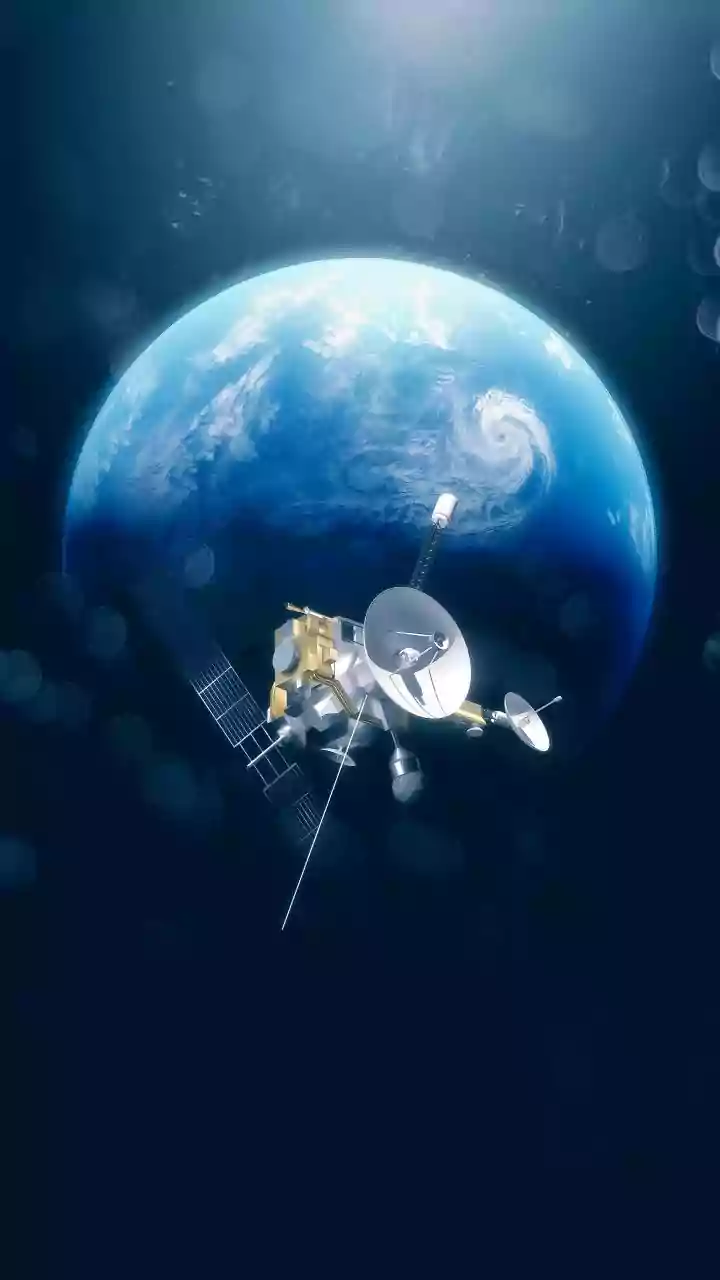
The Cassini spacecraft made these incredible discoveries but was not equipped with the tools to detect life itself. Its instruments could analyse chemistry, not biology. Answering the ultimate question requires a new generation of missions designed specifically for life detection. Several are on the drawing board. NASA's top-priority proposal is the Enceladus Orbilander, a flagship mission that would launch in the late 2030s. It would orbit the moon, flying through its plumes to sample them with advanced instruments, before ultimately landing on the icy surface for a two-year investigation. The European Space Agency is also planning a mission for the 2040s. These ambitious projects are being designed because the evidence for Enceladus's habitability has become too strong to ignore.