






The Magic of Salt-Bed Roasting
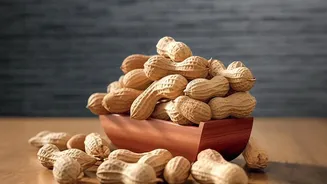
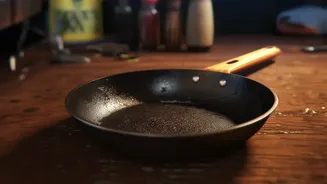
A time-honoured technique popular in India and across Asia, salt-bed roasting is exactly what it sounds like: cooking raw peanuts in a pan filled with hot salt. Unlike oven roasting or direct pan-frying, this method uses the salt as a medium to transfer
heat evenly and gently. The sand-like salt envelops each peanut, ensuring it cooks from all sides without scorching. This consistent, dry heat is what creates a deeply nutty flavour and a signature, brittle crunch that is difficult to replicate with other methods. The salt also seasons the nuts subtly, even though very little of it ultimately clings to the shells. It’s a simple, effective method that has been perfected over generations.
Why Moisture is the Enemy of Crispiness
The central claim of the headline holds the key to success: drying the peanuts is crucial. Many recipes for salted peanuts involve a preliminary soak or wash in salt water to help season them. While this step is great for flavour, it introduces significant moisture. If you transfer these damp peanuts directly to the hot salt, you are essentially steaming them, not roasting them. Steam prevents the nut from reaching the high, dry temperature needed for the Maillard reaction—the chemical process that creates the browned, complex flavours we associate with roasted foods. Excess water turns what should be a crisp, crunchy snack into something disappointingly soft or chewy on the inside, even if the outside looks done. Proper drying ensures you are truly roasting from the start.
How to Properly Dry Your Peanuts
Getting the moisture out is a non-negotiable step for achieving that perfect crunch. After soaking or rinsing your raw peanuts, you need to remove the surface water. The most straightforward method is to spread them in a single layer on a clean kitchen towel or paper towels and pat them thoroughly dry. For an even better result, let them air-dry on a tray for at least 30 minutes to an hour. Some cooks even go a step further by spreading the peanuts on a baking sheet and placing them in a preheated oven at a very low temperature for a few minutes. You'll know they are ready when they no longer feel damp to the touch. This simple pause in the process makes a world of difference, allowing the hot salt to do its job effectively.
A Step-by-Step Guide to Perfection
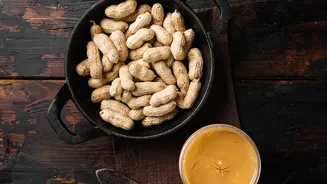
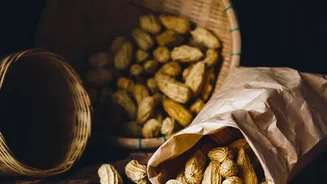
Ready to try? First, soak your raw, skin-on peanuts in salted water for about 15-20 minutes, then drain completely. Now, for the crucial part: dry them well using one of the methods above. While they dry, fill a heavy-bottomed pan or kadai with a thick layer of common table salt and heat it over medium heat for about five minutes until it's very hot. Add your dried peanuts to the hot salt. Initially, the mixture might be heavy and clumpy as any remaining moisture evaporates, but keep stirring continuously. After several minutes, the salt will become loose and sandy again. Continue to stir and roast for 15-20 minutes. The peanuts are done when their skins darken slightly and you can smell a rich, nutty aroma. Use a slotted spoon or sieve to separate the peanuts from the salt, let them cool completely, and then enjoy the crunch.
Common Mistakes to Avoid
The most common pitfall is impatience. Failing to preheat the salt properly or not drying the peanuts enough will lead to a subpar result. Another frequent error is using too high a flame, which can scorch the peanuts before they cook through. Medium heat and constant stirring are your best friends here. Don't be alarmed when the salt sticks to the wet peanuts at the beginning; it will separate as they roast and dry out. Finally, remember that peanuts continue to cook slightly from residual heat after you remove them from the pan. They will also get significantly crunchier as they cool down. What feels slightly soft when hot will become perfectly crisp once it reaches room temperature, so resist the urge to over-roast them.