


Loktak Lake, Manipur: The Floating Wonder
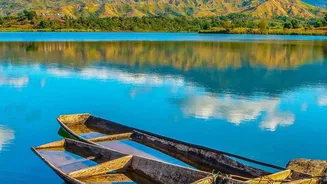
Loktak Lake is perhaps the most famous lake in the region, renowned for its 'phumdis'—thick, floating masses of vegetation, soil, and organic matter. These are not just small patches of weeds; some are large enough to support entire communities of fishermen
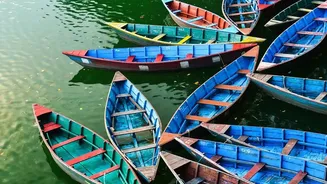
who live in huts called 'phumsangs'. As the largest freshwater lake in Northeast India, its surface presents an ever-changing mosaic of blue water and green islands. This unique ecosystem is also home to the Keibul Lamjao National Park, the world's only floating national park. This park is the last natural refuge for the endangered Sangai deer, also known as the dancing deer, which gracefully navigates the springy phumdis. A boat ride here feels like gliding through a different world, where land and water coexist in a mesmerising dance.
Tsomgo Lake, Sikkim: The Glacial Jewel
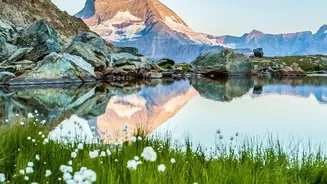
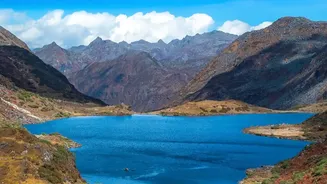
A journey to Tsomgo Lake, also known as Changu Lake, is as breathtaking as the destination itself. Located at an altitude of over 12,300 feet in East Sikkim, this glacial lake is surrounded by steep, snow-capped mountains. The lake's character changes dramatically with the seasons. In winter, it freezes into a solid, misty expanse of white, while spring sees its banks burst into a riot of colour with blooming rhododendrons, poppies, and irises. Tsomgo is considered sacred by the local Sikkimese people, with Buddhist monks traditionally interpreting its changing water colours to predict the future. Visitors often enjoy yak rides along its periphery, taking in the pristine alpine air and the reflection of the Himalayas in its crystal-clear waters. Due to its proximity to the border, permits are required, but the otherworldly beauty makes it one’s most popular attractions.
Gurudongmar Lake, Sikkim: The Sacred Height
Venture higher into North Sikkim and you'll find Gurudongmar Lake, one of the highest lakes in the world, sitting at an astonishing altitude of around 17,800 feet. Considered sacred by Buddhists, Sikhs, and Hindus, the lake is named after Guru Padmasambhava, who is said to have visited in the 8th century. Legend has it that he blessed a portion of the lake, miraculously preventing it from freezing completely even in the harshest winters to provide water for the locals. The journey is challenging, requiring acclimatisation to the thin air, but the reward is a landscape of surreal beauty. The lake's turquoise water, set against a backdrop of barren, snow-dusted peaks near the Indo-China border, creates a spiritual and humbling experience.
Umiam Lake, Meghalaya: The Expansive Reservoir
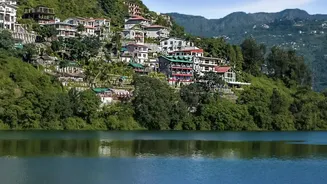
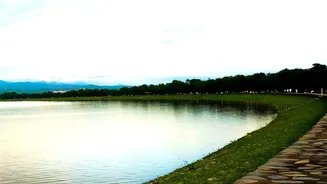
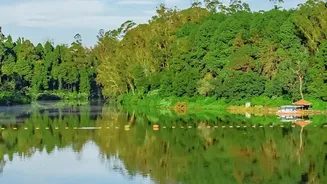
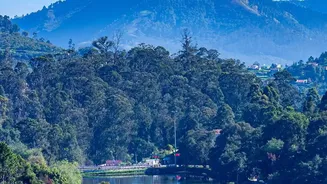
As you drive from Guwahati towards Shillong, you are greeted by the stunning, expansive view of Umiam Lake, also known locally as Barapani or 'big water'. Created in the early 1960s by damming the Umiam River, this man-made reservoir feels completely integrated with nature. Surrounded by the lush, rolling Khasi hills, its vast blue waters are a hub for activity. Unlike the high-altitude lakes of Sikkim, Umiam offers a wide range of water sports, including kayaking, boating, and water skiing, making it a popular weekend getaway. The lake's serene ambiance, combined with opportunities for adventure, provides a different but equally captivating landscape within the Northeast's portfolio of lakes.
Sangestar Tso, Arunachal Pradesh: The Accidental Beauty
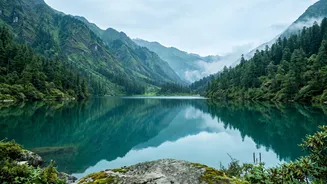
Popularly known as Madhuri Lake after a Bollywood film was shot here, Sangestar Tso in Arunachal Pradesh has a dramatic origin story. This high-altitude lake was formed as a result of an earthquake, which submerged a pasture, leaving behind a stunning body of water with tree trunks still rising from its depths. Located near the Indo-China border on the way to Bum La Pass, the lake is surrounded by rugged mountains and a serene, untouched atmosphere. Maintained by the Indian Army, visiting this pristine spot requires a permit but offers a tranquil escape. The blend of its raw, natural formation and its cinematic fame makes Sangestar Tso a unique and unforgettable destination.