


The Golden Rule: Always Patch Test
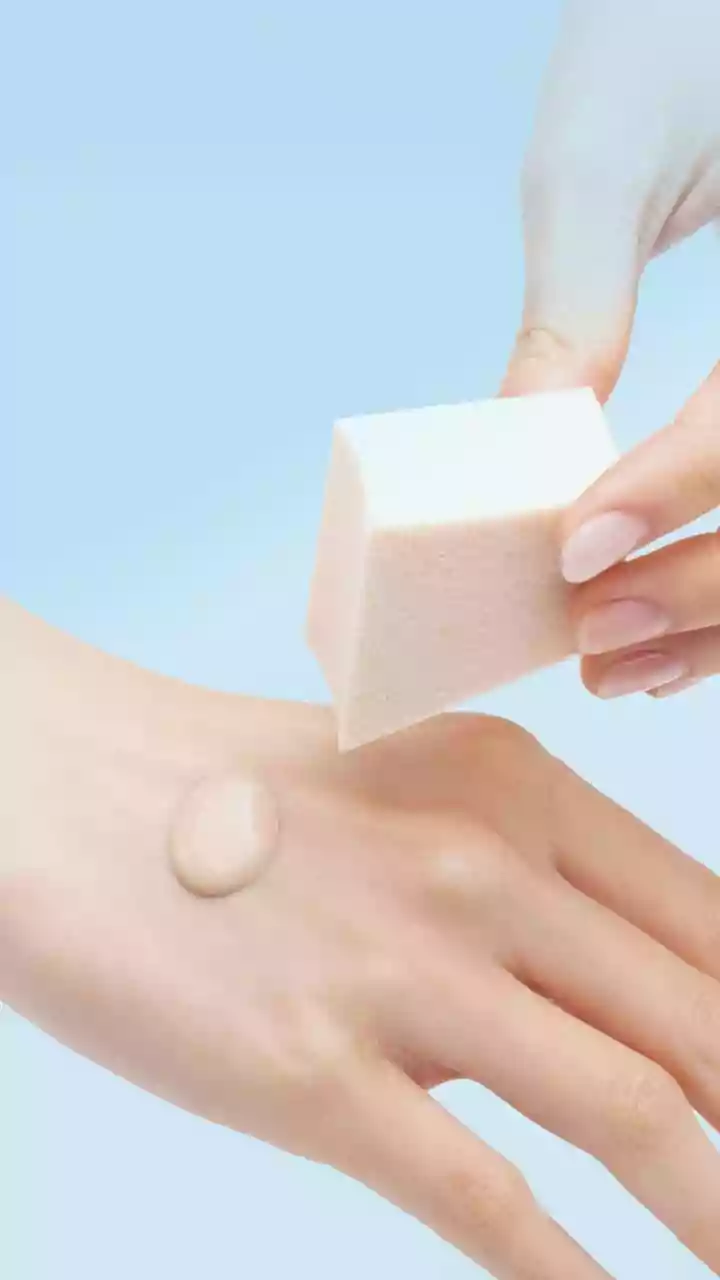
Before you apply any new mixture to your face, it is essential to perform a patch test. This is a non-negotiable step to prevent a potential skin disaster. Apply a small amount of your DIY creation to a discreet area of skin, like your inner wrist or behind
your ear. Wait for at least 24 hours to see if any signs of irritation, such as redness, itching, burning, or rash, develop. If you notice any reaction, do not use the mixture on your face. Your skin is unique, and what works for someone else might be a major irritant for you. This simple-but-crucial step helps you understand how your skin will react, saving you from widespread inflammation or an allergic reaction.
Gentle Heroes from the Kitchen
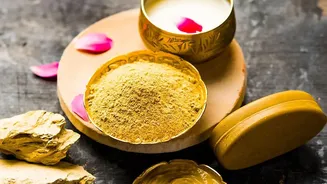
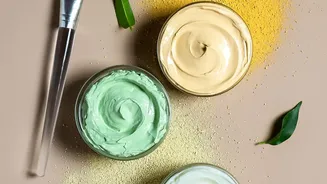
Many traditional Indian skincare practices rely on gentle, effective ingredients that are likely already in your pantry. Gram flour (besan) is a fantastic base for any mask, acting as a mild cleanser and exfoliant that buffs away dead skin cells without being harsh. Turmeric, the golden spice, is celebrated for its anti-inflammatory and antioxidant properties thanks to its active compound, curcumin. It can help calm the skin and impart a natural radiance. However, be aware that kitchen turmeric can leave a temporary yellow stain on the skin. Yogurt is another superstar ingredient, rich in lactic acid, a gentle alpha-hydroxy acid (AHA) that helps exfoliate the skin, improve texture, and boost hydration, leading to a brighter appearance. Together, these form the basis of a classic ubtan, a time-tested remedy for glowing skin.
Handle with Care: The Lemon Juice Warning
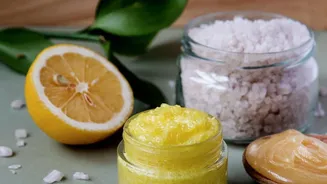
Many online recipes champion lemon juice for its brightening effects, but dermatologists overwhelmingly advise against applying it directly to your skin. The primary reason is its extremely high acidity. Your skin's natural pH is mildly acidic, around 4.5 to 5.5, which helps maintain its protective barrier. Lemon juice has a pH of about 2-3, making it harsh enough to disrupt this barrier, leading to excessive dryness, redness, and peeling. Even more concerning is a condition called phytophotodermatitis. This is a severe skin reaction that occurs when chemicals found in citrus fruits are exposed to sunlight, which can result in painful blisters and long-lasting dark patches of hyperpigmentation—the very thing you were trying to fix. It is far safer to get your Vitamin C from a professionally formulated serum than from a lemon.
A Simple, Low-Risk Ubtan Recipe
For a safe and effective brightening mask, you can’t go wrong with a traditional ubtan. This recipe is gentle, nourishing, and suitable for most skin types, but remember to patch test first. In a clean bowl, mix two tablespoons of gram flour (besan) with half a teaspoon of turmeric powder. Gradually add two to three tablespoons of plain, unsweetened yogurt or milk to form a smooth, spreadable paste that is not too thick or runny. For an extra soothing and hydrating boost, you can also add a teaspoon of honey, which has natural antibacterial properties. Apply a thin, even layer to your cleansed face and neck, avoiding the delicate eye area. Leave it on for 15-20 minutes, or until it is semi-dry. Do not let it dry completely and crack, as this can be too drying. To remove, wet your fingertips and gently scrub in circular motions before rinsing thoroughly with lukewarm water. Use this mask once or twice a week for best results.
When to Stop and See a Professional
DIY skincare should be a gentle and enjoyable ritual, not a source of stress or skin damage. If you ever experience stinging, burning, or significant redness while a mask is on your face, wash it off immediately. These are signs that your skin barrier is being compromised. If you develop a rash, persistent itching, or breakouts after using a homemade recipe, discontinue its use. While simple home remedies can help maintain a healthy glow, they are not a cure for persistent skin concerns like severe acne, deep-set pigmentation, or other dermatological conditions. For these issues, it is always best to consult a qualified dermatologist who can provide a proper diagnosis and recommend treatments that are both safe and scientifically proven to be effective for your specific skin needs.