



Your First Step: The Single Pot
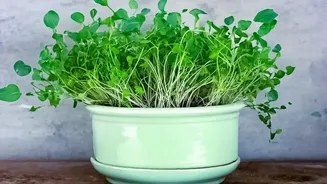
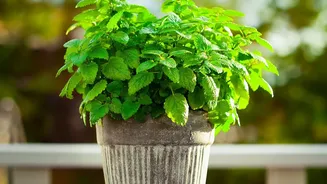
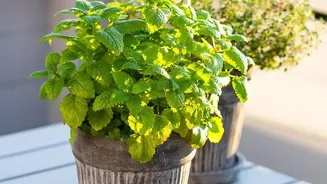
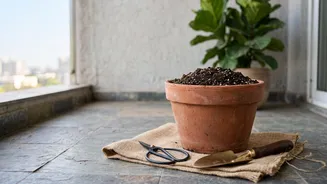
The secret to starting a garden is to not overwhelm yourself. Begin with one herb in one pot. Mint (Pudina) is an excellent choice for a first-timer; it’s resilient, grows quickly, and is incredibly useful in an Indian kitchen. Choose a container that
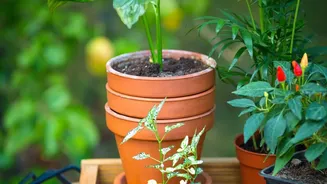
is at least 8 to 10 inches deep to give the roots enough space to grow. Crucially, ensure the pot has drainage holes at the bottom. Without proper drainage, water will collect and can lead to root rot, which is one of the fastest ways to kill a potted plant. Terracotta pots are a great option as they are porous and allow the soil to breathe, which is beneficial in warmer climates.
The Essentials: Soil, Sun, and Water
Once you have your pot, the next step is the right foundation. Don’t use soil from a garden bed; it is often too heavy and compacts easily in containers. Instead, buy a high-quality potting mix from a local nursery. This mix is specifically designed to be light and well-draining. Most culinary herbs, especially those native to the Mediterranean like rosemary and oregano, need at least six hours of direct sunlight a day. A south or west-facing balcony or window is ideal. For watering, a simple rule is to check the top inch of the soil. If it feels dry to the touch, it’s time to water. Water the soil directly, not the leaves, preferably in the morning to reduce evaporation.
Five Perfect Herbs for Indian Beginners
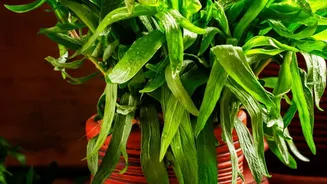
Ready to choose your plants? These five herbs are hardy, well-suited to Indian climates, and incredibly rewarding to grow. 1. Tulsi (Holy Basil): A staple in many Indian homes, Tulsi is relatively low-maintenance and thrives in heat and sunlight. It’s revered for its medicinal properties and can be used to make a soothing herbal tea. 2. Mint (Pudina): As mentioned, mint is a vigorous grower. It's best to keep it in its own pot, as its roots can quickly spread and take over a shared container. Perfect for chutneys, raitas, and summer drinks. 3. Coriander (Dhaniya): No Indian kitchen is complete without it. Coriander grows quickly from seeds and prefers slightly cooler weather, making it ideal to plant after the peak summer heat. Regular harvesting of leaves encourages more growth. 4. Ajwain (Carom): The leaves of the ajwain plant have a strong, distinctive flavour. The plant itself is hardy, loves sunlight, and grows well in pots with well-drained soil. 5. Lemongrass: This herb loves a warm, humid climate and full sun. Its aromatic stalks are essential for flavouring teas and many Asian cuisines. Plus, it acts as a natural mosquito repellent.
Expanding Your Garden: From One to Many
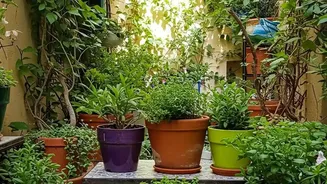
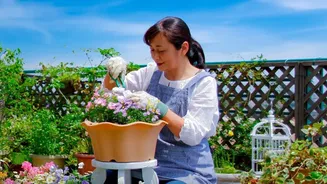
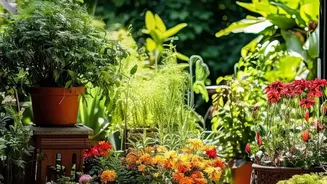
Once you’ve successfully kept your first plant alive for a few weeks, you’ll feel the confidence to expand. This is the fun part. You can add another pot with a different herb, perhaps one with similar needs. For example, sun-loving herbs like rosemary, thyme, and sage can be grouped together. Mint, which likes more moisture, should remain in its own container. You don’t need a huge collection of pots all at once. Add one or two new herbs every month or so. This gradual expansion makes the process manageable and allows you to learn the specific needs of each plant. Before you know it, you’ll have a small but diverse container garden providing you with a variety of fresh flavours.
Harvesting for Healthier Plants
The best part of an herb garden is using it. Regular harvesting is not just for your kitchen; it’s also essential for the plant’s health. Pinching or cutting the top leaves and stems encourages the plant to grow bushier and more compact rather than tall and leggy. A good rule is to never harvest more than one-third of the plant at any one time. This ensures it has enough foliage left to continue photosynthesizing and producing new growth. For herbs like basil and mint, pinching off any flower buds that appear will prolong the harvesting period and keep the leaves flavourful.