


The Rise of the Monsoon Micro-Cation
The long-held belief that Goa is a winter-only destination is officially outdated. A growing number of Indian travellers are now embracing the monsoon season, from June to September, for what are being called “micro-cations”—short, spontaneous trips of three
to five days. According to recent data from the Goa Department of Tourism, domestic search interest for monsoon travel to the state has surged by nearly 40% year-on-year. This shift is driven by a desire for experiences beyond the beach. Instead of waiting for one long annual holiday, people are opting for frequent, shorter breaks to disconnect and recharge. Goa’s tourism minister, Rohan A. Khaunte, noted that this trend aligns perfectly with the state's strategy to promote itself as a year-round destination, highlighting its vibrant forests, cascading waterfalls, and rich local culture that come alive during the rains.
Greener, Quieter, and More Affordable
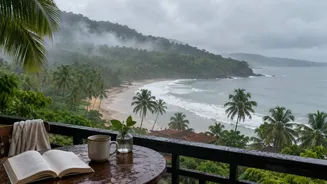
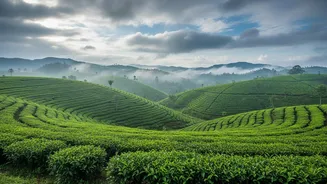
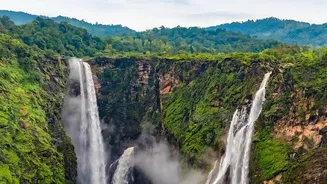
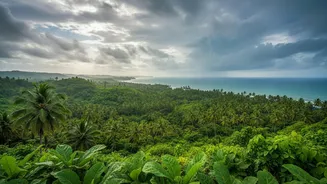
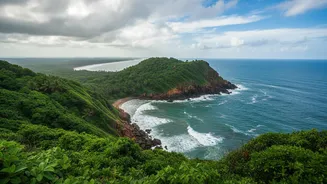
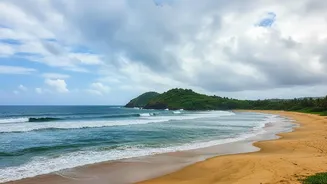
The appeal of a monsoon trip to Goa is three-fold: the landscape, the crowds, and the cost. The seasonal rains transform the state into an emerald paradise, with lush paddy fields and dense forests creating a stunning backdrop. Waterfalls like the famous Dudhsagar are at their most powerful and majestic during this time. With fewer tourists, popular spots are far less congested. Beaches become serene and are perfect for long, contemplative walks between showers, offering a peacefulness rarely found during the packed winter months. This quieter atmosphere gives visitors a chance to experience a more authentic side of Goan life. Furthermore, the off-season timing often translates to significant savings, with lower prices on flights and accommodation. Hotels and villas can be 40-60% cheaper than in peak season, making a luxury stay more accessible.
What to Do When the Beaches Are Out
While swimming in the rough monsoon sea is generally not advised, a world of other activities opens up. Adventure seekers can try white-water rafting on the Mhadei River, which offers thrilling rapids specifically during this season. Nature lovers can explore the state’s wildlife sanctuaries, such as the Bhagwan Mahavir Wildlife Sanctuary, where the flora and fauna are in full bloom. Heritage walks through the rain-washed Latin Quarter of Fontainhas in Panjim or the historic churches of Old Goa offer a different kind of magic. For a truly local experience, visiting a spice plantation provides a fragrant tour followed by a traditional Goan meal. The weather also creates the perfect excuse to explore Goa’s thriving café culture and culinary scene, with many restaurants offering cozy shelter and warm, flavourful food.
Know Before You Go: North vs. South
Choosing between North and South Goa during the monsoon depends on your travel style. North Goa generally offers more activities and infrastructure for rainy days. Areas like Candolim, Calangute, and Anjuna have a higher concentration of cafes, indoor attractions like the Museum of Goa, and casinos that remain open. This makes it easier to stay entertained even during a downpour. South Goa, in contrast, is the ideal choice for those seeking tranquility and a quiet resort holiday. With less intense rainfall at times, it’s perfect for couples or families who want to relax, read a book by the pool, and enjoy the scenic beauty at a slower pace. Many luxury resorts in the south offer attractive monsoon packages, creating an intimate and romantic atmosphere.