






The Science of Volume
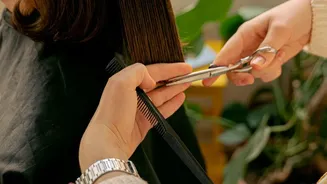
A layered haircut involves cutting hair at different lengths to build shape, texture, and dimension. The basic principle is simple: by removing weight strategically, you allow the hair to have more bounce and movement. Shorter layers can support longer
ones, creating a sort of internal scaffolding that lifts the hair from the roots and prevents it from lying flat against the scalp. This technique is especially effective for creating volume at the crown, a common area where hair tends to collapse. The result is the illusion of thicker, fuller hair, as the varying lengths prevent the hair from forming a single, heavy curtain.
Not All Layers Are Created Equal
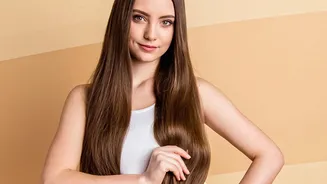
The term 'layers' covers a wide range of cutting techniques. Long, blended layers add soft movement to the ends while preserving most of your length, making them ideal for a subtle change. Shorter layers, often starting higher up on the head, create more noticeable volume and texture but can require more styling. For those with fine hair who worry about losing fullness, 'invisible' or 'internal' layers are a clever option; these are cut underneath the top sections of hair to remove weight and add body without creating a visibly layered look. Other popular styles include the 'butterfly cut', which uses two distinct tiers of layers to give volume at the crown and soft framing around the face, and the 'shag', which uses multiple lengths for a highly textured finish.
Finding Your Perfect Match
The right layered cut depends heavily on your hair type. For those with thick, heavy hair, layers are a fantastic way to remove bulk and add life without sacrificing length. Wavy and curly hair also benefits greatly, as layers can give curls the space they need to spring up and form a more defined pattern. If you have fine or thin hair, the approach needs to be more strategic. While layers can add much-needed volume, cutting too many can make the ends appear sparse. For fine hair, it's often best to opt for fewer, longer layers or subtle face-framing pieces to add shape without removing too much weight. A blunt cut can sometimes make fine hair appear thicker, but well-placed, minimal layers can offer the best of both worlds.
Speaking Your Stylist's Language
To get the haircut you truly want, clear communication is key. Simply asking for 'layers' is too vague. Instead, explain your goal. Say, "I want to create more volume at the crown," or "I'd like to add movement but keep my ends looking full." Bringing inspiration photos is incredibly helpful, especially if you can find examples on people with a similar hair texture to your own. Be specific about where you want the layers to start—for example, at the chin or collarbone—and what you don't want. Phrases like "soft, blended layers" versus "choppy, textured layers" will give your stylist a much clearer picture of your desired outcome.
Maintaining Your Volume at Home
A great cut is the foundation, but styling brings it to life. A blowout with a round brush is a classic way to enhance your layers, lifting the roots and curling the ends to maximize bounce. When blow-drying, flip your hair upside down to create initial root lift before styling in sections. Applying a volumizing mousse or root-lifting spray to damp hair can provide extra support. For a quicker style, creating loose waves with a curling wand can add dimension and make layers pop. Even changing your part to the side can create instant volume. Ultimately, the right cut should make your hair easier to manage, not harder.