





September 2014: The Kashmir Floods
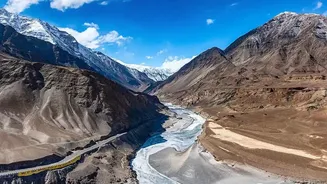
Following unusually heavy monsoon rainfall, the Jhelum River swelled and triggered the worst floods the Kashmir region had seen in half a century. The deluge submerged vast areas, including much of Srinagar, causing immense damage to property and infrastructure.
The floods claimed the lives of around 200 people in India and over 260 in downstream Pakistan, highlighting the transboundary nature of Himalayan river systems and their shared risks.
April 2015: The Gorkha Earthquake, Nepal
A devastating magnitude 7.8 earthquake struck central Nepal, with its epicentre in the Gorkha district. The quake and its powerful aftershocks, including a 7.3 magnitude event in May, killed nearly 9,000 people and injured almost 22,000 across Nepal, India, China, and Bangladesh. The disaster destroyed over 600,000 homes and triggered deadly avalanches on Mount Everest and in the Langtang Valley, where an entire village was buried. It was the country's worst natural disaster in over 80 years.
February 2021: The Chamoli Disaster, Uttarakhand
A flash flood tore through the Rishiganga and Dhauliganga river valleys in Uttarakhand's Chamoli district, causing widespread devastation. Scientific analysis later confirmed the cause was not a glacial lake outburst, but a massive rock and ice avalanche from Ronti Peak. The collapse released a torrent of water and debris that destroyed two hydropower projects and left more than 200 people dead or missing, most of whom were workers at the construction sites.
January 2023: Joshimath's Land Subsidence
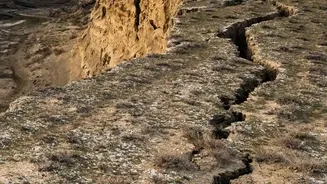
The holy town of Joshimath became a symbol of slow-motion disaster as large cracks began appearing in hundreds of buildings, roads, and fields. This land subsidence, or sinking, was a crisis years in the making, with experts pointing to the town's location on ancient landslide debris. The situation was severely aggravated by unplanned construction and potential impacts from nearby infrastructure projects, forcing the emergency evacuation of hundreds of residents from their unsafe homes.
July-August 2023: Himachal Pradesh Monsoon Fury
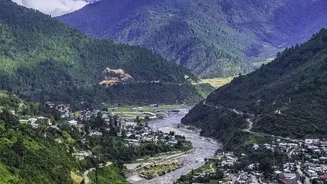
Himachal Pradesh was battered by an exceptionally intense monsoon season that triggered widespread floods and over 170 landslides. The extreme rainfall washed away roads, bridges, and buildings, particularly in districts like Kullu, Shimla, and Mandi. The cumulative toll for the season was over 400 lives lost, with thousands of houses damaged. The disaster paralyzed the state's infrastructure and highlighted its vulnerability to extreme weather events, which scientists link to a changing climate.
October 2023: Sikkim's Glacial Lake Outburst Flood
In the early hours of October 4, the South Lhonak glacial lake breached its moraine dam, unleashing a catastrophic Glacial Lake Outburst Flood (GLOF) down the Teesta River valley. The floodwaters, which rose up to 20 feet, destroyed the Chungthang dam in minutes and swept away bridges, roads, and homes. The disaster resulted in scores of deaths and affected tens of thousands of people, underscoring the growing threat from rapidly expanding glacial lakes in the warming Himalayas.
November 2023: The Silkyara Tunnel Collapse
While not a natural disaster in origin, the collapse of a section of the under-construction Silkyara road tunnel in Uttarakhand highlighted the risks of large-scale development in the fragile Himalayan geology. Forty-one workers were trapped inside for 17 days, prompting a massive, multi-agency rescue operation that drew national attention. Though all workers were eventually rescued, the incident sparked a major debate about the pace and safety standards of infrastructure projects in the ecologically sensitive region.