


Embracing the Vertical Garden
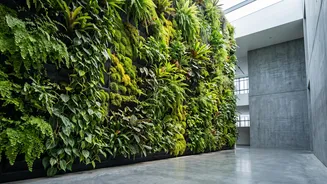
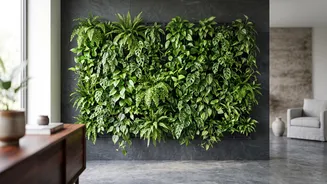
An indoor vertical plant display, also known as a living wall or green wall, is a method of growing plants on a vertically suspended panel or structure. Instead of spreading out across the floor, the garden grows upwards, making it an incredibly space-efficient
way to introduce nature into your home. This concept transforms bare walls into dynamic, living art pieces, perfect for apartments, small homes, and even offices where ground space is at a premium. The core idea is simple but revolutionary for urban dwellers: look to your walls for your garden.
The Benefits of Going Up
The advantages of a vertical garden extend far beyond just saving space. These green installations are powerful natural air purifiers. Plants absorb common indoor pollutants like formaldehyde and benzene, while also converting carbon dioxide into fresh oxygen, significantly improving the air quality in your home. Studies have shown that being surrounded by greenery can reduce stress and promote a sense of calm and well-being. A living wall also acts as a natural sound absorber, helping to dampen ambient noise in busy households or open-plan offices. Furthermore, it serves as a stunning decorative focal point, adding texture, colour, and life to any interior design scheme.
Choosing Your Style of Display
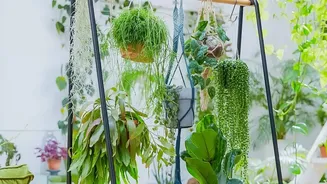
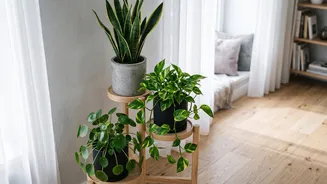
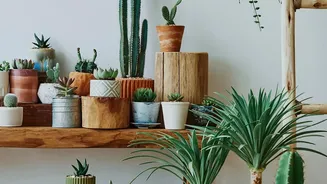
There are numerous ways to create a vertical garden, suiting various budgets and DIY skill levels. Modular systems with pockets or panels are a popular choice, allowing you to easily slot plants into a pre-made structure. You can also find simple wall-mounted planters, hanging pots, and tiered stands that create a vertical effect. For a DIY approach, you can mount individual pots on a wall using special clips, create a trellis for climbing plants, or even repurpose a wooden pallet or a grid organiser. From sleek, self-watering frames to rustic arrangements of terracotta pots, the design possibilities are endless.
The Best Plants for Your Indoor Wall
Choosing the right plants is crucial for a thriving indoor vertical garden. Low-maintenance varieties that tolerate indirect light are often the best bet for Indian homes. Pothos (Money Plant) is a forgiving and popular choice, known for its beautiful trailing vines. Other excellent options include the hardy Snake Plant, which is a superb air purifier, and the elegant Peace Lily, which thrives in lower light conditions. Ferns like the Boston Fern add a soft, feathery texture, while Spider Plants are easy to care for and produce cascading baby plants. Philodendrons and Syngoniums also adapt well to vertical setups and come in various colours.
Getting Started: Setup and Care
Before you begin, assess the light in your chosen location, as this will dictate your plant choices. Most vertical systems are straightforward to install, but ensure they are securely fastened to the wall. Watering is a key consideration. While some high-tech systems come with built-in irrigation, most DIY setups will require manual watering. Be mindful not to overwater; it's often best to wait until the top layer of soil feels dry. Since the root space is limited, you may need to fertilise your plants occasionally with a water-soluble feed to provide essential nutrients. Regular pruning will help maintain the shape of your display and encourage healthy, bushy growth.