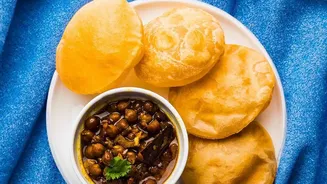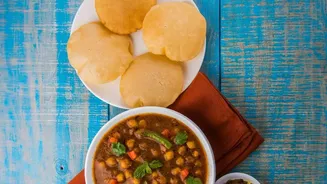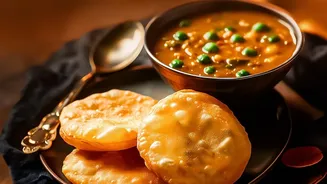




The Challenge of the Perfect Poori
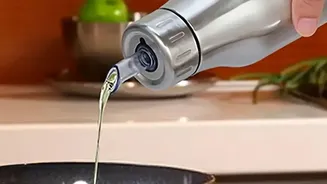
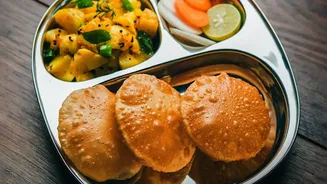
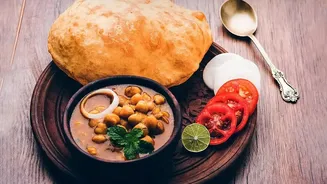
Anyone who has attempted to make pooris knows the delicate balance required. The dough must be firm but pliable, the oil must be hot but not smoking, and the rolling must be even. Get one of these elements wrong, and you could end up with a flat, oily
disc instead of a light, airy bread. One of the most crucial steps happens in the hot oil itself: the moment the poori is encouraged to puff. This is also the riskiest part of the process. Using the wrong tool or technique can lead to dangerous oil splatters, turning a joyful cooking session into a hazardous one. The goal is to submerge the poori just enough to trap steam inside, which causes it to inflate. This is where your choice of utensil becomes critically important, not just for the final product but for your safety.
Enter the Slotted Spoon
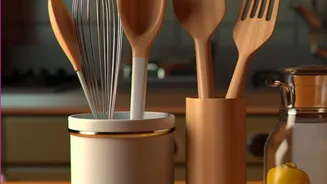
While tongs or a solid spatula might seem like obvious choices, the slotted spoon, or 'jhaara', is uniquely suited for frying pooris. Its design offers a combination of features that other utensils lack. The wide, slightly curved surface is perfect for applying gentle, even pressure across the surface of the poori as it fries. Unlike tongs, which can puncture the delicate dough and ruin the puff, the smooth back of the spoon provides a broad, safe point of contact. The slots are equally important. They allow hot oil to pass through, reducing the resistance you feel when pressing the poori down and, crucially, allowing excess oil to drain away instantly when you lift it. This means less oil is transferred to the serving plate, resulting in a lighter, less greasy poori.
The Gentle Press for a Perfect Puff
The technique is simple but effective. Once you slide the rolled-out poori into the hot oil, it will float to the surface within seconds. This is your cue. Take your slotted spoon and gently press down on the center of the poori. This action submerges it slightly, trapping the superheated steam that is forming inside and forcing the poori to balloon. You will feel a slight resistance as it inflates. Hold the pressure for a few seconds. As soon as it has puffed up, you can release the pressure. This gentle press is the secret to a fully and evenly inflated poori, transforming it from a flatbread into a delightful sphere. Many recipes stress this step as crucial for achieving the desired fluffiness.
A Safer Flip and a Cleaner Finish
Flipping the poori is another moment where splashes can occur. A slotted spoon offers more control and safety than other tools. Because it is wide, it provides a stable platform to gently turn the poori over without aggression. Simply slide the spoon under the puffed poori and turn it to cook the other side. This controlled motion minimizes the chances of dropping the poori back into the kadhai and causing hot oil to fly. Once both sides are a beautiful golden brown—a process that takes less than a minute—the slotted spoon proves its worth again. You can lift the poori straight out of the oil, letting the excess oil drain back into the pan through the slots before placing it on a paper towel. This final drain is key to a crisp, non-greasy result.
More Tips for Flawless Pooris
While the slotted spoon is a game-changer, other factors contribute to success. Ensure your dough is stiffer than roti dough, as soft dough absorbs more oil. Let the dough rest for at least 20-30 minutes before rolling; this develops the gluten needed for a good puff. When rolling, use a little oil on the surface instead of dry flour, which can burn and dirty your frying oil. Finally, get your oil temperature right. Test it by dropping in a tiny piece of dough; it should sizzle and rise to the surface immediately without browning too quickly. If the oil isn't hot enough, the pooris will be flat and oily.