





Forget the Fixed Schedule
The most common mistake in caring for a potted lemon tree is watering it on a rigid schedule. While some guides might suggest watering once or twice a week, this is an oversimplification. The truth is, a plant's thirst changes based on its environment,
the season, and its stage of growth. A fixed routine risks either drowning the roots or leaving the plant parched. The key isn't to water on a schedule, but to water when the plant actually needs it. This requires learning to read the signs from the plant and its soil.
The Best Way to Check
The most reliable method for checking if your lemon tree needs water is the finger test. It's simple and effective. Insert your index finger into the soil up to your second knuckle, which is about two inches deep. If the soil at your fingertip feels dry, it's time to water. If it feels moist or damp, you should wait and check again in a day or two. This single technique is more accurate than any calendar reminder because it directly measures the conditions your plant's roots are experiencing. For those who prefer a cleaner method, a simple wooden skewer or a soil moisture meter can do the same job.
Key Factors That Affect Thirst
Several variables determine how quickly your lemon tree's soil will dry out. Understanding them will help you anticipate its needs. Pot material matters; unglazed terracotta pots are porous and dry out much faster than plastic or glazed ceramic ones. A larger tree in a small pot will need water more frequently than a small tree in a large pot. The type of soil is also crucial; a well-draining citrus-specific mix prevents waterlogging. Finally, environment plays a huge role. A tree in a hot, sunny, or windy spot will need water far more often—perhaps even daily in peak summer—than one in a cooler, more humid location.
Signs of Overwatering
More potted citrus trees are harmed by too much water than too little. Overwatering starves the roots of oxygen and can lead to root rot, a serious condition that can kill the plant. The most common sign of overwatering is yellowing leaves that drop from the plant. Unlike with underwatering, these leaves may not appear wilted. You might also notice the soil is consistently soggy, has a sour or foul smell, or attracts fungus gnats. If you suspect overwatering, immediately stop and allow the soil to dry out significantly before watering again. Always ensure your pot has excellent drainage.
Signs of Underwatering
A thirsty lemon tree will also give you clear signals. The earliest signs are often a slight wilting or curling of the leaves during the hottest part of the day. The leaves may lose their glossy shine and feel dry or brittle to the touch. If the water stress continues, the tree may start to drop leaves, flowers, or even young fruit as it tries to conserve resources. In severe cases, the tips of branches may begin to die back. Unlike the yellow leaves of an overwatered plant, the leaves on a parched tree often curl and feel crisp.
A Smart Watering Routine
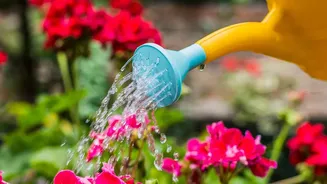
To water your potted lemon tree correctly, do so deeply but less frequently. When the finger test indicates the soil is dry, add water slowly and evenly until it runs freely from the pot's drainage holes. This ensures the entire root ball is saturated. After about 30 minutes, discard any excess water that has collected in the saucer beneath the pot. Letting the pot sit in water can lead to root rot. During the active growing season of spring and summer, you may need to water every few days. In the cooler, dormant months of autumn and winter, the plant's water needs decrease significantly, and you may only need to water every week or two.