





What Exactly Is the Problem?
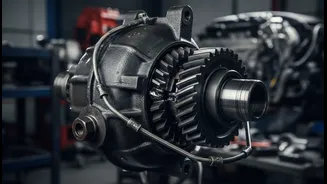
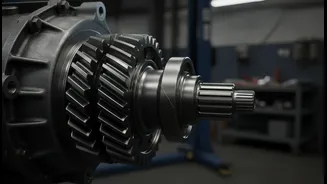
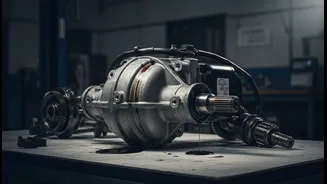
Ford has identified a defect in the rear differential pinion shaft of certain Mustang Mach-E models. In simple terms, this component is essential for transferring power from the electric motor to the wheels. According to documents filed with the U.S.
National Highway Traffic Safety Administration (NHTSA), this shaft can fracture due to what engineers call "bending fatigue." While the company is still investigating the root cause of the fatigue, the consequence is a critical failure in the drivetrain. The issue was first flagged for investigation in March 2026 after a component failed on a vehicle in Europe. To date, Ford is aware of dozens of warranty claims related to this problem, but thankfully, no accidents or injuries have been reported.
Which Vehicles Are Affected?
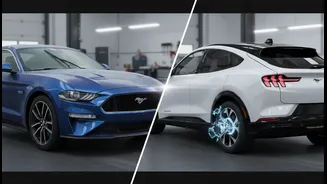
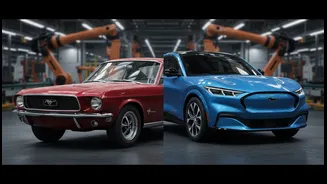
The recall specifically covers 42,784 Mustang Mach-E vehicles from the 2021, 2022, and 2023 model years. Crucially, it only applies to models equipped with a rear-wheel-drive (RWD) drivetrain. All-wheel-drive (AWD) versions of the Mach-E are not included in this particular recall action. The affected vehicles were manufactured at Ford's Cuautitlan assembly plant in Mexico over a period spanning from 2020 to 2023. Since the vehicles were not produced in sequential VIN order, owners in the affected regions will need to verify if their specific car is part of the recall. The recall has been officially filed with U.S. regulators under the NHTSA campaign number 26V417, and Ford's internal code for this action is 26S50.
The Two Major Safety Risks
A failing pinion shaft presents two significant safety concerns for drivers. The first and most immediate danger is a sudden loss of motive power while the vehicle is in motion. If the shaft breaks, the connection between the motor and the wheels is severed, which could leave a driver stranded unexpectedly, increasing the risk of a crash. The second risk involves the vehicle's parking mechanism. A fractured shaft can prevent the transmission from properly engaging the 'Park' setting. This means if the driver exits the vehicle without setting the electronic parking brake, the Mach-E could potentially roll away on its own, posing a serious hazard.
Ford's Plan for a Fix
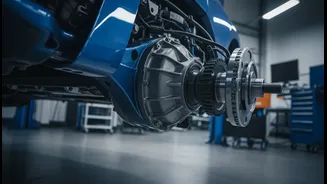
Ford has committed to resolving the issue for all affected owners free of charge. The official remedy involves having owners bring their vehicles to a Ford or Lincoln dealership for an inspection of the rear differential assembly. Depending on the findings, technicians will either repair the unit or replace it entirely with a new assembly that features a more robust and durable pinion shaft designed to withstand the fatigue. However, owners will need to be patient. Ford plans to send out initial notification letters about the safety risk starting mid-July 2026. The final remedy parts are not expected to be available until late December 2026, at which point a second letter will be sent to schedule the repair.
Why This Matters for India
While this recall is currently for North American and European markets, it holds significant relevance for India. Ford has confirmed its plans to launch the Mustang Mach-E in the Indian market, where it will be sold as a premium CBU (Completely Built Unit) import. With the vehicle's trademark already filed in India and a launch anticipated by some for late 2026, this recall provides valuable insight for potential customers. It highlights a potential reliability issue with the RWD variant—a configuration that may be offered in India. For those considering this high-end EV, understanding how Ford handles such issues internationally is a key part of the purchasing decision. It serves as a reminder of the complexities of modern vehicles and the importance of strong after-sales service, which will be crucial when the Mach-E finally arrives on Indian roads.