


More Than Just a Shooting Star
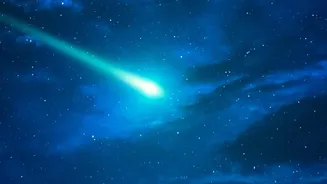
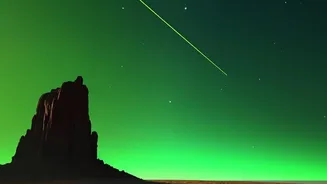
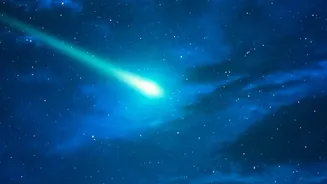
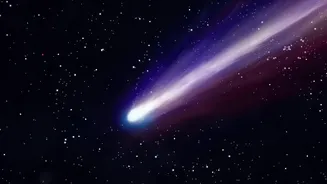
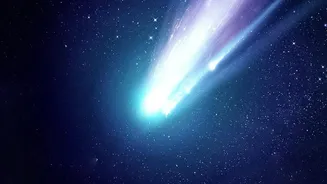
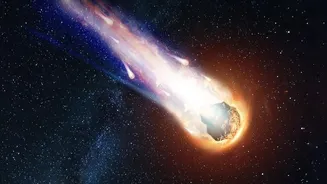
On August 3, 2026, NASA's Astronomy Picture of the Day (APOD) featured a stunning image of a bright meteor streaking through the sky. While a beautiful sight on its own, the image served as a timely reminder of the science hidden within these fleeting
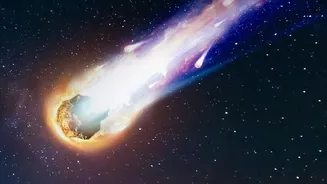
events. The vibrant colours that paint a meteor's path are not random; they are a direct result of its chemical composition and its violent, high-speed entry into Earth's atmosphere. Each colour acts like a chemical fingerprint, telling scientists about the makeup of the tiny space rock that has traveled millions of kilometres before putting on its final show. These streaks of light are caused by meteoroids, often no bigger than a grain of rice or a small pebble, burning up as they hit the upper atmosphere at incredible speeds.
Decoding the Cosmic Rainbow
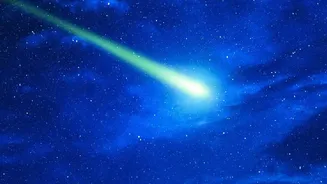
The colour palette of a meteor is a lesson in cosmic chemistry. The most common colours observed are green, yellow, and orange. A brilliant green or blue-green flash, for example, is often caused by the presence of magnesium or nickel vaporizing in the intense heat. Yellow or orange hues typically point to sodium, a common element in meteoroids. Iron, another abundant material, often produces a yellow-white glow as it burns. Rarer colours like violet or purple can signal the presence of calcium. The process is similar to a flame test in a chemistry lab, where different elements produce distinct colours when heated. As the meteoroid compresses the air in front of it, immense friction generates temperatures hot enough to create a plasma of vaporized elements from the rock and superheated air, each glowing with its signature light.
The Air Plays a Part Too
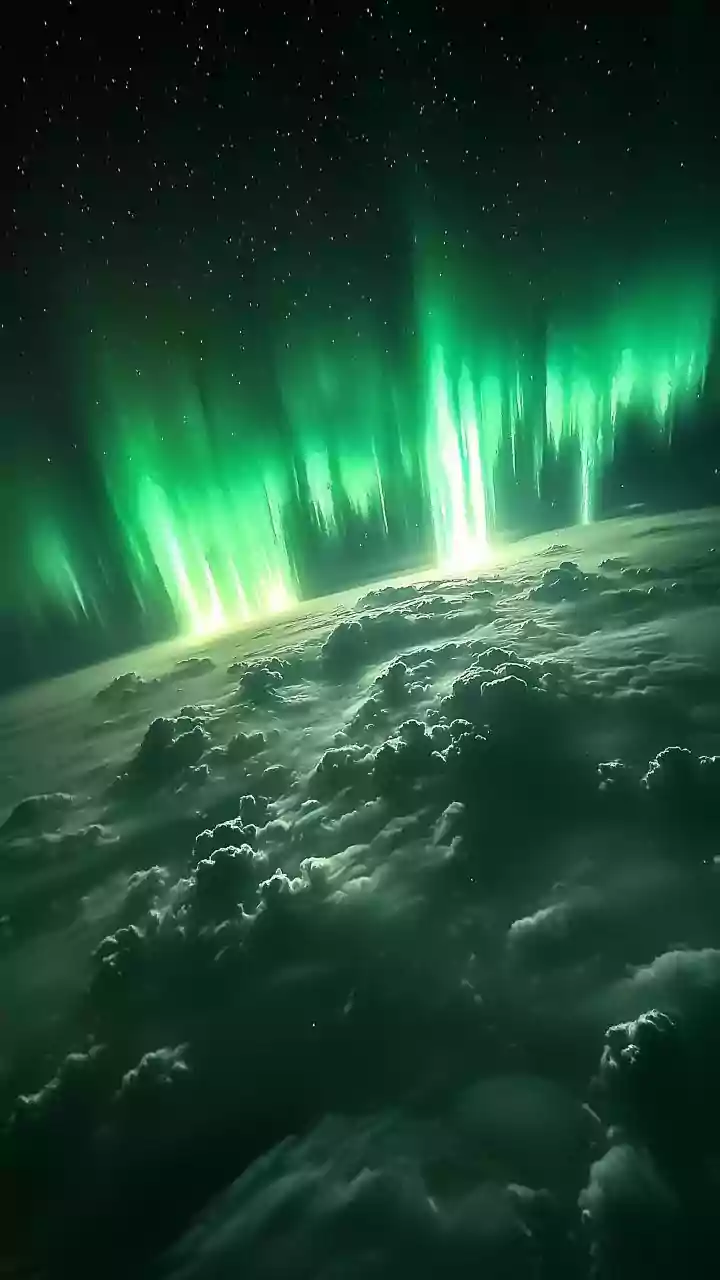
It's not just the meteoroid's composition that determines the colour. The Earth's atmosphere itself gets in on the act. The air around the burning rock is heated intensely, and its primary components, nitrogen and oxygen, can also be excited to emit light. This interaction is particularly noticeable with very fast meteors, which can cause the surrounding air to glow, sometimes producing reddish hues or even the same green light associated with auroras. The speed of the meteor plays a crucial role; faster meteors tend to have more intense, vibrant colours because they generate more energy and heat upon atmospheric entry. This is why meteor showers known for fast-moving particles, like the Perseids, often produce spectacular, multi-coloured displays and bright fireballs.
An August Sky Full of Colour
The timing of the NASA feature is perfect for sky-gazers, as August is host to the Perseid meteor shower, considered one of the best of the year. Peaking around August 12-13, the Perseids are known for their swift, bright meteors that frequently leave long-lasting trails of light and colour. The parent body of the Perseids is the comet Swift-Tuttle, and the debris it has left behind is rich in various elements that create a colourful show. This year's peak is expected to occur under dark, moonless skies, offering ideal viewing conditions. By paying attention to the different colours, observers can do more than just count shooting stars; they can witness a real-time analysis of the chemical makeup of cometary dust. Each green, yellow, or violet streak is a clue to the ingredients that make up these ancient visitors to our solar system.