





From 'Garden City' to 'City in Nature'
The journey began in 1967 when then Prime Minister Lee Kuan Yew introduced the “Garden City” vision. The initial goal was simple but ambitious: to transform Singapore into a city with lush greenery and a clean environment, making life more pleasant for its
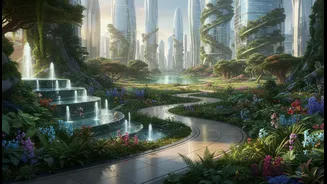
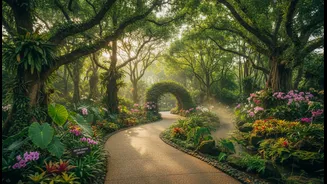
citizens and signaling to the world that this was a well-organised place to visit and invest in. It started with massive tree-planting campaigns that lined the streets with foliage. Over the decades, this concept evolved. First, it became a “City in a Garden,” a more sophisticated approach aiming to integrate greenery seamlessly with the built environment. Today, the vision has progressed further into “City in Nature,” a key pillar of the Singapore Green Plan 2030. This latest strategy focuses on restoring nature into the urban landscape, expanding park networks, and ensuring that green spaces are not just beautiful, but also ecologically functional and resilient.
A UNESCO Crown Jewel
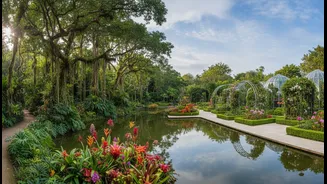
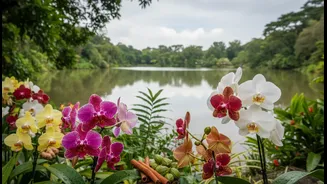
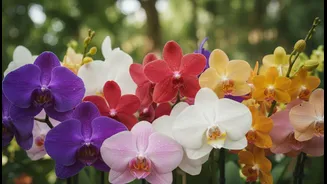
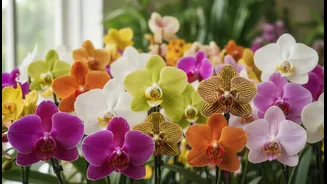
At the heart of this green identity is the Singapore Botanic Gardens. Established in 1859, it’s more than just a park; it's a tropical institution. In 2015, it was inscribed as Singapore's first UNESCO World Heritage Site, the only tropical botanic garden on the prestigious list. The recognition was a nod to its rich history, including its pivotal role in the region's rubber trade boom in the early 20th century. Spanning 82 hectares, the gardens are a living museum, featuring a diverse collection of plants from around the world. A key highlight is the National Orchid Garden, which displays over 1,000 species and 2,000 hybrids, making it one of the world's most spectacular orchid showcases. The gardens also contain a rare patch of primary rainforest, giving visitors a glimpse of the island’s original jungle.
The Sci-Fi Forest of Supertrees
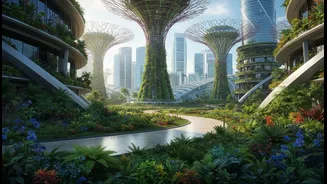
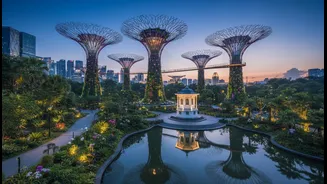
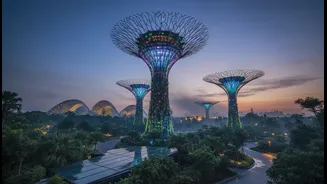
If the Botanic Gardens represent Singapore's natural heritage, Gardens by the Bay symbolises its futuristic green ambitions. The most iconic feature here is the Supertree Grove, a collection of 18 towering vertical gardens reaching heights of up to 50 metres, or about 16 storeys. These man-made giants are architectural marvels and environmental engines. Their steel frames are covered in over 162,900 plants from more than 200 species, creating a unique ecosystem of ferns, orchids, and vines. But they do more than just look stunning. Seven of the Supertrees are designed to harvest solar energy to power the nightly Garden Rhapsody, a dazzling light and sound show. They also serve as air intake and exhaust vents for the park's massive cooled conservatories. Visitors can walk among the canopies on the OCBC Skyway or ascend to the Observatory on the tallest Supertree for panoramic views of the Marina Bay skyline.
Where History and Nature Meet
Singapore’s greening efforts also embrace its past by revitalizing historical sites as lush public spaces. Fort Canning Park is a prime example. Once known as Forbidden Hill and the site of palaces for 14th-century Malay kings, this hilltop oasis has witnessed centuries of Singaporean history. It later became the location of British army barracks and a command centre during World War II. Today, the park serves as a green lung for the city's civic district, blending historical artifacts like colonial-era ruins and wartime underground tunnels with tranquil walking trails and sprawling lawns used for concerts and festivals. By preserving the hill’s rich heritage while cultivating it as a vibrant park, Singapore ensures its history remains an accessible and living part of the modern city.