






What is Amaranth?
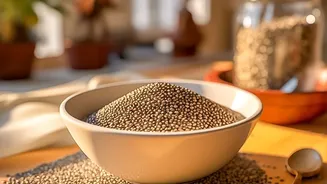
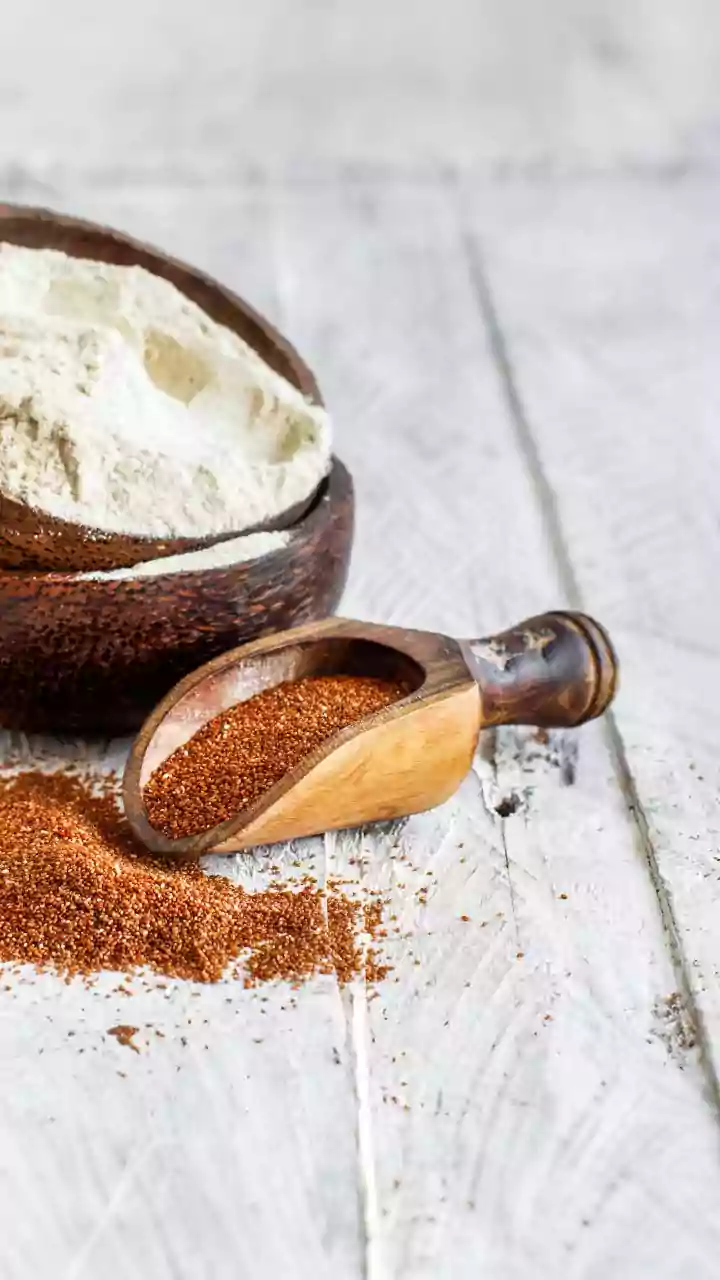
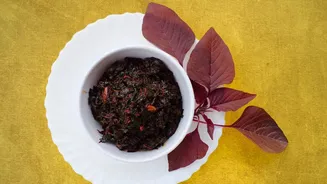
Often mistaken for a cereal grain, amaranth is technically a pseudocereal — the seed of the amaranth plant. It was a staple food for the Aztecs and has been cultivated for thousands of years. Today, it’s gaining recognition worldwide as a superfood, celebrated
for its versatility and impressive health benefits. This gluten-free seed boasts an earthy, nutty flavour that works well in both sweet and savoury dishes. Unlike many plant-based foods, amaranth is considered a complete protein, meaning it contains all nine essential amino acids, including lysine, which is often lacking in other grains. This makes it an especially valuable ingredient for those following vegetarian or vegan diets.
The Link to Bone Nutrition
Strong bones depend on a variety of nutrients, and amaranth delivers several key players. It is a good plant-based source of calcium, phosphorus, and magnesium, which are all essential minerals for building and maintaining bone density. Calcium is a primary component of our bones, and getting enough through diet helps prevent the body from drawing it from our skeletal structure. Protein, another crucial element for bone health, provides the structural framework for bone tissue. Studies suggest that a diet with adequate protein and calcium is beneficial for bone health, particularly as we age. Amaranth's combination of high-quality protein and bone-supporting minerals makes it an excellent food to include as part of a varied and nutrient-rich diet aimed at supporting your skeletal system.
How to Prepare Amaranth
Cooking amaranth is simple. The most common method is to prepare it as a porridge. The general ratio is one part amaranth to about two or three parts water or milk. Bring the liquid to a boil, add the amaranth, then reduce the heat to a simmer. Cover the pot and let it cook for 20-25 minutes, or until the water is absorbed and the seeds are tender, resulting in a creamy, porridge-like consistency. You can also pop amaranth like corn kernels in a dry, hot pan. These popped seeds add a wonderful crunch to salads, yoghurt, or can be used to make energy bars.
Breakfast Idea 1: Creamy Morning Porridge
The simplest way to enjoy amaranth for breakfast is as a warm porridge. Prepare it with milk or a plant-based alternative for extra creaminess. Once cooked, the possibilities are endless. Stir in a teaspoon of honey or jaggery for sweetness. Add warming spices like cinnamon or cardamom for a desi twist. Top your bowl with fresh fruits like banana or berries, a handful of toasted nuts like almonds or walnuts for healthy fats, and a sprinkle of seeds for extra texture. It's a comforting and sustaining start to any day.
Breakfast Idea 2: Savoury Masala Upma
If you prefer a savoury start, amaranth makes a fantastic, gluten-free alternative to semolina in an upma. Start by tempering mustard seeds, cumin seeds, curry leaves, and green chillies in a little oil. Sauté chopped onions, ginger, and your favourite vegetables like carrots, peas, or capsicum. Add spices like turmeric and a pinch of garam masala. Stir in your pre-cooked amaranth, season with salt, and mix everything well. Finish with a squeeze of lemon juice and a garnish of fresh coriander and roasted peanuts for a delicious and hearty breakfast.
Breakfast Idea 3: Nutrient-Dense Smoothie
For a quick and on-the-go breakfast, cooked and cooled amaranth can be a secret ingredient in your smoothies. Its mild flavour won't overpower other ingredients, but it will add a significant boost of protein and fibre, keeping you full for longer. Blend a quarter-cup of cooked amaranth with your choice of fruit (like a banana or mango), a scoop of yoghurt or a splash of milk, a handful of spinach for hidden greens, and a spoonful of flax or chia seeds. The result is a thick, creamy, and incredibly nutritious drink to fuel your morning.